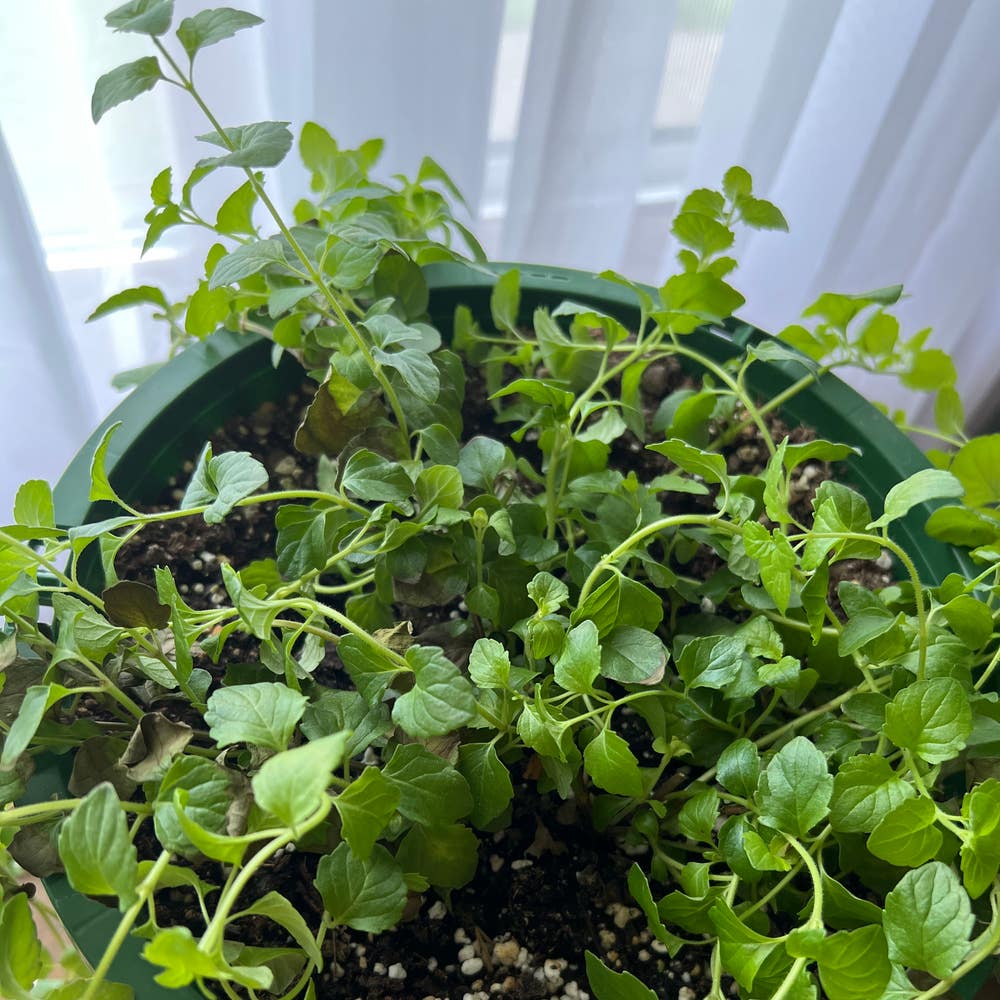
10 Outdoor Care Tips for Cuban Oregano 👨🍳
Coleus amboinicus
By the Greg Editorial Team
Nov 24, 2024•6 min read
This article was created with the help of AI so we can cover more plants for you. May contain errors. See one? Report it here.
Cultivate vibrant Cuban oregano 🌱 with essential tips on sunlight, watering, and pest control for a thriving garden!
- 🌞 Cuban oregano needs 6-8 hours of sunlight daily for optimal growth.
- 💧 Water every 5-7 days, ensuring the top inch of soil dries out.
- 🐛 Regularly check for pests like aphids to maintain plant health.
Sunlight Requirements
Ideal Sunlight Exposure 🌞
Cuban oregano thrives in full sun, needing at least 6-8 hours of direct sunlight each day. However, in extremely hot climates, it can tolerate some partial shade, which helps prevent stress on the plant.
Effects of Insufficient Sunlight 🌑
Without adequate sunlight, your Cuban oregano may experience stunted growth, leading to leggy and weak plants. Additionally, the aromatic properties of the leaves can diminish, resulting in less flavorful herbs for your culinary creations.
Understanding these sunlight requirements is crucial for nurturing healthy Cuban oregano. Next, let’s explore its watering needs and how to keep your plants hydrated.
Watering Needs and Frequency
🌊 General Watering Guidelines
Cuban oregano thrives with a balanced watering routine. Allow the top inch of soil to dry out between waterings to prevent over-saturation.
Aim for an ideal watering schedule of every 5-7 days during the growing season. This frequency helps maintain healthy growth and vibrant leaves.
🚫 Signs of Overwatering
Watch for yellowing leaves, a clear indicator of potential root rot. If your plant wilts despite the soil being moist, it may signal poor drainage.
Understanding these signs is crucial for keeping your Cuban oregano healthy and flavorful. Proper watering practices ensure your plant remains robust and aromatic.
As you refine your watering techniques, consider the next essential aspect of Cuban oregano care: soil preferences and fertilization.
Soil Preferences and Fertilization
Ideal Soil Composition 🌱
Cuban oregano thrives in well-draining soil, making sandy loam or a quality potting mix the best choices. Aim for a slightly acidic to neutral pH level, ideally between 6.0 and 7.0, to ensure optimal growth.
Fertilization Schedule 🌿
To keep your Cuban oregano flourishing, fertilize every 4-6 weeks during the growing season. A balanced, water-soluble fertilizer with an NPK ratio of 10-10-10 will provide the nutrients your plant needs to thrive.
Tips for Soil and Fertilization Success 🌻
- Soil Drainage: Ensure good drainage to prevent root rot. Consider adding perlite or sand to improve soil texture.
- Organic Options: If you prefer organic gardening, compost can be a great alternative to synthetic fertilizers, enriching the soil naturally.
By paying attention to soil quality and maintaining a consistent fertilization schedule, you can cultivate a robust Cuban oregano plant that enhances your garden and kitchen alike.
Transition to the Next Section 🌍
Now that you understand the soil and fertilization needs of Cuban oregano, let’s explore the best planting options and strategies for protecting your plants from unpredictable weather.
Planting Options and Weather Protection
Container vs. Ground Planting 🌱
When considering where to plant Cuban oregano, both container and ground options have their perks. Container planting offers mobility and a controlled environment, making it easier to manage soil conditions and relocate plants as needed.
However, container gardening comes with its challenges. Limited root space can restrict growth, and you'll need to water more frequently to keep the soil moist.
On the other hand, planting in the ground provides ample space for root development and better moisture retention. This option allows the plant to thrive with fewer watering concerns.
Yet, ground planting isn't without its drawbacks. You have less control over soil conditions and may face increased vulnerability to pests.
Strategies for Weather Protection ☔️
Protecting your Cuban oregano from harsh weather is essential for its health. One effective strategy is to provide shade, using shade cloth or positioning your plants near taller companions to shield them from the afternoon sun.
Mulching is another great tactic. A layer of mulch helps retain soil moisture and regulate temperature, creating a more stable environment for your plants.
During cold snaps, covering your plants with frost cloths or blankets can offer crucial protection. This simple step can make a significant difference in keeping your oregano safe from frost damage.
With these planting options and weather protection strategies, your Cuban oregano will be well-equipped to flourish in various conditions. Next, let’s explore pest and disease management to ensure your plants remain healthy and vibrant.
Pest and Disease Management
🐜 Common Outdoor Pests
Cuban oregano can attract a few pesky visitors. Aphids are small, green insects that suck the sap from leaves, weakening your plant over time.
Another common nuisance is spider mites, tiny pests that cause stippling and create webbing on the leaves. Keeping an eye out for these pests is crucial for maintaining the health of your oregano.
⚠️ Signs of Disease
Recognizing the signs of disease early can save your plant. Leaf spots often indicate fungal infections or bacterial issues that need immediate attention.
If you notice wilting and yellowing leaves, it may suggest root rot or other diseases, signaling that your plant is in distress.
🌱 Organic Pest Control Methods
Fortunately, there are effective organic methods to manage pests. Neem oil is a powerful option that works against a variety of pests without harming your plant.
Another safe choice is insecticidal soap, which is gentle enough for edible plants while effectively tackling unwanted insects. Using these methods can help keep your Cuban oregano thriving and healthy.
As you manage pests and diseases, remember that vigilance is key. Regular checks will help you catch issues early, ensuring your plant remains robust and flavorful.
Next, let’s explore how to adjust your care based on seasonal changes and climate zones.
Seasonal Care and Climate Zone Considerations
🌱 Spring to Winter Care
As the seasons change, so do the needs of your Cuban oregano. In spring, it's time to prune your plants and start fertilizing as new growth emerges. This encourages a robust and healthy plant for the growing season ahead.
During summer, keep a close eye on soil moisture. The heat can quickly dry out your plants, so regular checks are essential. Also, be vigilant for pests that may take advantage of the warm weather.
When fall arrives, it's crucial to harvest your leaves before the first frost. This not only ensures you get the most flavor from your oregano but also allows you to apply mulch for added protection against the cold.
In winter, adjust your care based on your climate. If you're in a tropical area, continue regular care. However, if you live in a temperate zone, be prepared to provide frost protection to keep your plants thriving.
🌍 Adjusting Care Based on Climate Zone
Your watering routine should adapt to your climate zone. In hotter areas, increase the frequency of watering to keep your plants hydrated. Conversely, in cooler zones, you can reduce the amount of water.
Fertilization timing is also key. Align your fertilization schedule with local growing seasons to ensure your Cuban oregano gets the nutrients it needs when it needs them most. This tailored approach will help your plants flourish throughout the year.
With these seasonal care tips, your Cuban oregano will not only survive but thrive, ready for your culinary adventures. Next, let’s dive into pest and disease management to keep your plants healthy and productive.
⚠️ Safety First
This content is for general information and may contain errors, omissions, or outdated details. It is not medical, veterinary advice, or an endorsement of therapeutic claims.
Always consult a qualified healthcare professional before using any plant as food, medicine, or supplement.
Never eat any plant (or feed one to pets) without confirming its identity with at least two trusted sources.
If you suspect poisoning, call Poison Control (800) 222-1222, the Pet Poison Helpline (800) 213-6680, or your local emergency service immediately.
Spotted an error? Please report it here.
Grow vibrant Cuban oregano 🌱 with these outdoor care tips, and let Greg guide you with tailored watering reminders and pest control strategies for a bountiful harvest!