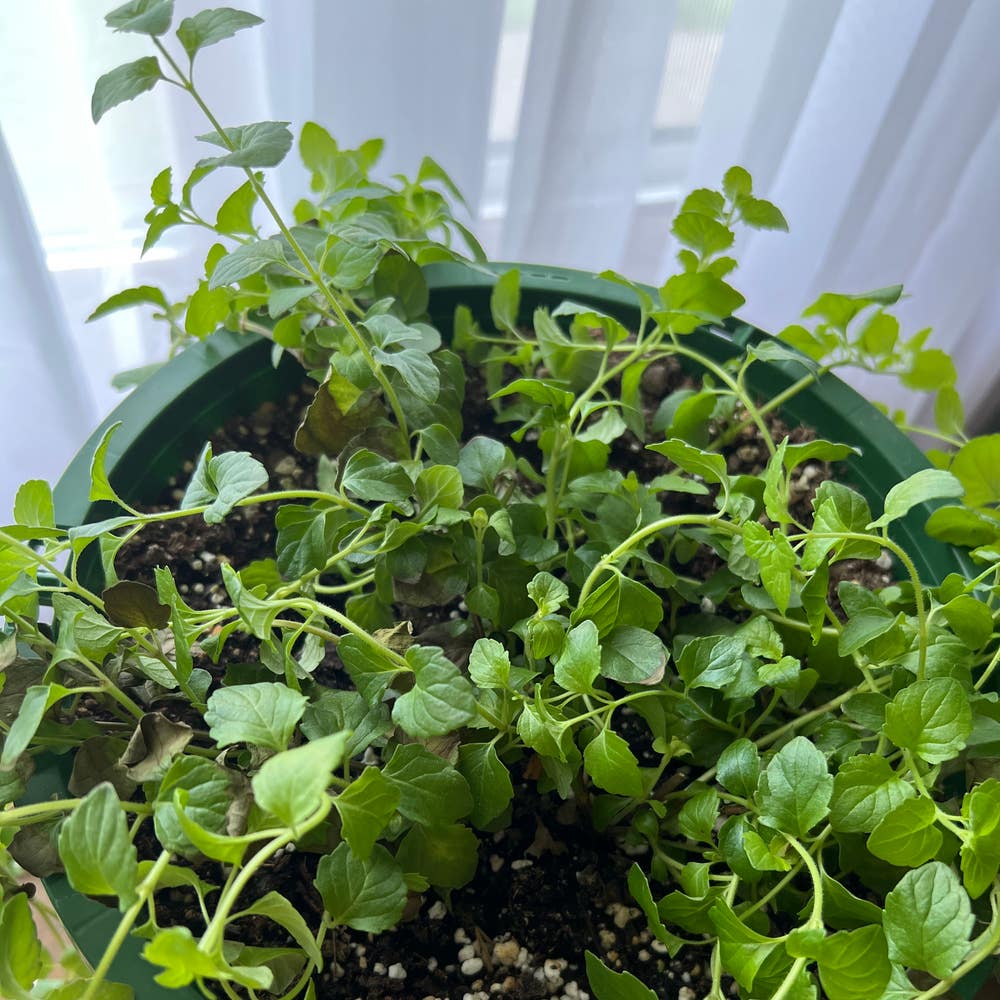
☀️ Ultimate Guide to Direct Sunlight for Cuban Oregano
Coleus amboinicus
By the Greg Editorial Team
Nov 24, 2024•5 min read
This article was created with the help of AI so we can cover more plants for you. May contain errors. See one? Report it here.
Master the sunlight needs of Cuban Oregano 🌞 to ensure vibrant growth and delicious flavor in your dishes!
- ☀️ Cuban Oregano needs 4-6 hours of direct sunlight daily for optimal growth.
- 🌱 Too much sunlight causes sunburn; monitor for brown, crispy leaves.
- 🪟 South-facing windows provide ideal light; avoid north-facing for thriving plants.
Definition of Direct Sunlight
🌞 Explanation Suitable for Children
Direct sunlight is when the sun's rays shine directly on a plant without any obstacles, like clouds or trees, blocking them. Imagine standing outside on a sunny day; the warmth you feel is direct sunlight!
🌤️ Contrast with Indirect Sunlight
Indirect sunlight occurs when the sun's rays are diffused or reflected. For example, if you stand in the shade of a tree, you are in indirect sunlight because the tree blocks the sun.
Understanding these two types of sunlight is crucial for plants like Cuban Oregano, which thrive on bright light. Knowing the difference helps you provide the best care for your plants!
Sunlight Needs of Cuban Oregano
🌞 Does it Need Direct Sunlight?
Cuban Oregano thrives in bright light conditions, making direct sunlight a key factor for its growth. Ideally, it should receive 4-6 hours of direct sunlight daily to flourish.
🌤️ Can it Tolerate Direct Sunlight?
While Cuban Oregano can tolerate direct sunlight, it may need some acclimatization to prevent stress. Different varieties may have varying tolerances, but generally, they prefer bright light for optimal health.
🔆 Effects of Too Much Direct Sunlight
Excessive direct sunlight can lead to sunburn, where leaves become scorched and turn brown or crispy at the edges. Overexposure not only affects the appearance but can also stunt growth and reduce leaf quality.
Understanding these sunlight needs is crucial for nurturing your Cuban Oregano effectively. Next, we’ll explore how window direction impacts sunlight exposure for this vibrant herb.
Role of Window Direction
🌞 Best Window Directions for Cuban Oregano
When it comes to positioning your Cuban Oregano, window direction plays a crucial role.
- South-facing windows are your best bet, as they provide the most direct sunlight throughout the day, ensuring your plant gets the bright light it craves.
- East-facing windows are also a great choice, offering gentle morning sunlight that can help your Cuban Oregano thrive without overwhelming it.
☀️ How Window Direction Affects Sunlight Exposure
Understanding how different window orientations affect sunlight exposure is essential for optimal plant health.
- North-facing windows generally receive the least amount of direct sunlight, which may not be enough for your Cuban Oregano to flourish.
- West-facing windows can deliver strong afternoon sunlight, but this intensity may require careful monitoring to prevent sunburn on your plant's leaves.
By strategically placing your Cuban Oregano near the right windows, you can create an ideal environment for growth. This attention to detail will help ensure your plant remains vibrant and healthy, ready to add flavor to your dishes.
Hemisphere Considerations
🌞 Differences in Sunlight Intensity Based on Hemisphere
Sunlight intensity varies significantly between the Northern and Southern Hemispheres. In the Northern Hemisphere, summer months bring stronger sunlight, which can impact how you position your Cuban Oregano for optimal growth.
In the Southern Hemisphere, similar seasonal changes occur. Understanding these differences is crucial for ensuring your plant receives the right amount of light throughout the year.
📅 Seasonal Variations in Sunlight Exposure
During summer, days are longer, and sunlight is more intense. This means your Cuban Oregano might need some shading during peak hours to prevent stress and sunburn.
In winter, the days are shorter, and sunlight is less intense. It's a good idea to move your plants closer to windows to ensure they get enough light for healthy growth.
Tips for Plant Parents
🌞 Signs of Too Much or Too Little Sunlight
Cuban Oregano is sensitive to light conditions. If it receives too much sunlight, you might notice the leaves showing signs of sunburn, wilting, or even dropping off.
On the flip side, too little sunlight can stunt its growth, leading to a leggy appearance and pale leaves. Keeping an eye on these signs can help you maintain a healthy plant.
💡 Adjusting Light Exposure for Optimal Growth
To ensure your Cuban Oregano thrives, follow these simple steps:
- Gradually acclimate your plant to direct sunlight by slowly increasing its exposure time.
- Use sheer curtains to diffuse harsh sunlight during peak hours, protecting your plant from potential stress.
- Rotate the plant periodically to ensure even light distribution, promoting balanced growth.
These adjustments can make a significant difference in your plant's health and vitality.
🤔 Common Misconceptions About Sunlight and Cuban Oregano
There are a few common misconceptions about Cuban Oregano that can lead to confusion. One is the belief that it can thrive in complete shade. While it can tolerate some shade, it truly requires bright light for optimal growth.
Another misconception is that all oregano varieties have the same sunlight needs. In reality, different oregano varieties may have varying tolerances to light intensity, so it's essential to understand the specific needs of your plant.
By debunking these myths, you can better care for your Cuban Oregano and help it flourish.
As you continue to learn about your plant's needs, you'll be better equipped to create the perfect environment for growth. Next, let's explore how window direction can impact sunlight exposure for your Cuban Oregano.
⚠️ Safety First
This content is for general information and may contain errors, omissions, or outdated details. It is not medical, veterinary advice, or an endorsement of therapeutic claims.
Always consult a qualified healthcare professional before using any plant as food, medicine, or supplement.
Never eat any plant (or feed one to pets) without confirming its identity with at least two trusted sources.
If you suspect poisoning, call Poison Control (800) 222-1222, the Pet Poison Helpline (800) 213-6680, or your local emergency service immediately.
Spotted an error? Please report it here.
Keep your Cuban Oregano thriving in sunlight ☀️ with Greg's tailored reminders and tips for optimal light exposure, ensuring it gets the 4-6 hours it craves!