Ultimate Guide to Indian Borage Flowers 🌸
Coleus amboinicus
By the Greg Editorial Team
Nov 26, 2024•5 min read
This article was created with the help of AI so we can cover more plants for you. May contain errors. See one? Report it here.
Unlock the secrets of Indian Borage 🌿, where aromatic leaves outshine fleeting flowers in culinary and medicinal uses!
- 🌿 Indian Borage is prized for its aromatic leaves, not its flowers.
- 🌸 Flowers bloom in late spring to summer, lasting 1-2 weeks.
- ☀️ Ensure 6-8 hours of sunlight and moisture for optimal blooming.
Flowering Status of Indian Borage
🌸 Clarification on Flower Production
Indian Borage, while capable of producing flowers, is not primarily cultivated for this purpose. Instead, its aromatic leaves take center stage, cherished for their culinary and medicinal uses.
🍃 Focus on Foliage
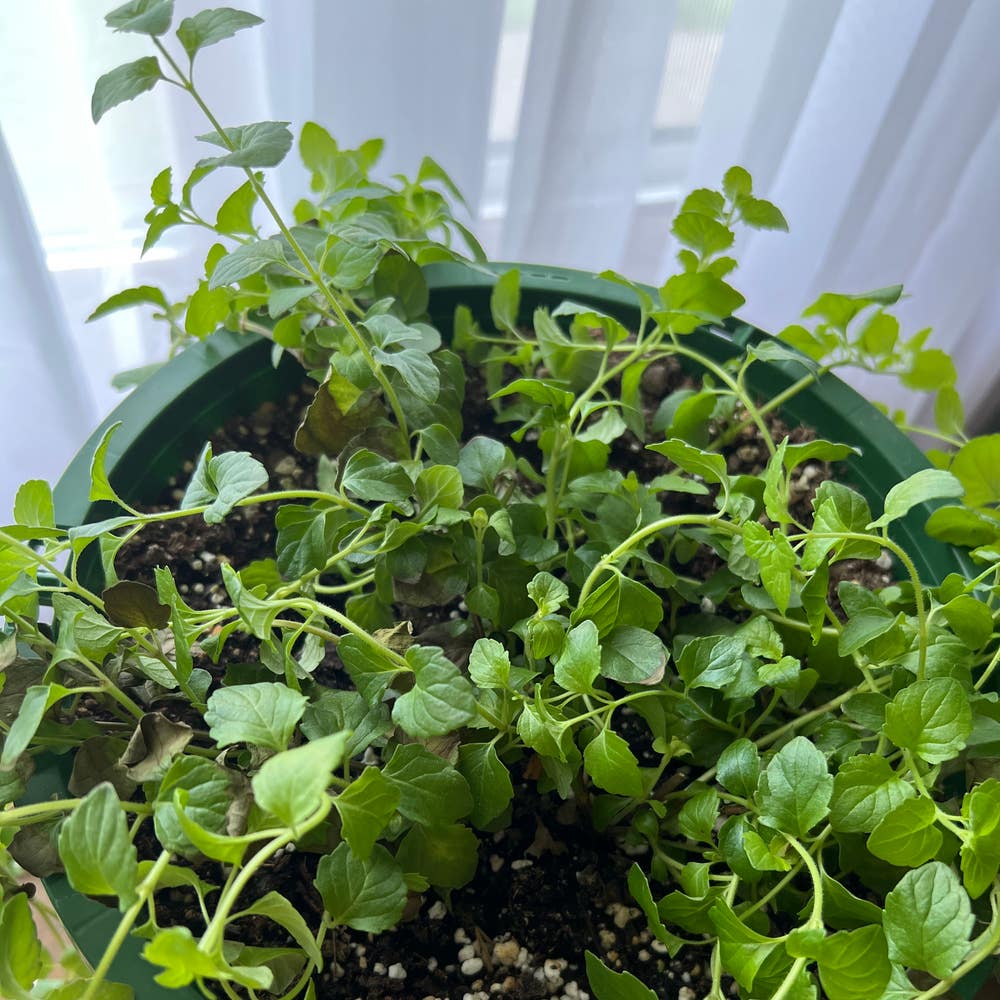
The lush, green foliage of Indian Borage is what truly captivates gardeners and chefs alike. Its leaves are packed with flavor and health benefits, making them a staple in various dishes and herbal remedies.
🌍 Environmental Factors
Flowering in Indian Borage can be influenced by several environmental conditions. Factors such as light, temperature, and soil quality play crucial roles in determining whether the plant will bloom.
In summary, while Indian Borage can flower, its primary appeal lies in its fragrant leaves. Understanding the environmental influences can help you cultivate a thriving plant, whether for its foliage or occasional blooms.
If Indian Borage Flowers
🌸 Flower Characteristics
Description of Flower Colors and Structure
Indian Borage flowers are typically purple or blue, showcasing a small, tubular shape. These flowers grow in clusters on flower spikes, which not only enhance their visual appeal but also attract pollinators like bees and butterflies.
Self-Pollination vs. External Pollination
While Indian Borage is primarily self-pollinating, it can also benefit from external pollination by insects. This dual capability helps ensure successful reproduction, even in varying environmental conditions.
🌼 Blooming Process
Stages of Blooming and Typical Bloom Time
The blooming process begins with initial bud formation, which occurs in late spring to early summer. By mid-summer, the flowers typically reach their full bloom, adding vibrant color to the garden.
Duration from Bud Formation to Full Bloom
From the time buds form, it takes approximately 4-6 weeks for the flowers to fully bloom. This relatively quick transition allows gardeners to enjoy the beauty of Indian Borage in a short period.
Lifespan of Flowers
Once in bloom, Indian Borage flowers usually last for about 1-2 weeks before wilting. This brief lifespan is a reminder of the plant's focus on foliage rather than prolonged flowering.
🌱 Encouraging Blooms
Tips for Promoting Flowering
To encourage blooming, ensure your Indian Borage receives 6-8 hours of direct sunlight daily. Additionally, maintain proper watering by keeping the soil consistently moist but not waterlogged, and consider using a balanced fertilizer during the growing season to promote blooms.
Factors Influencing Flowering
Several environmental conditions can influence flowering frequency and intensity. Factors such as temperature, humidity, and soil quality play a crucial role in determining how often and how vibrantly Indian Borage flowers.
🌿 Post-Flowering
What Happens After Flowering
After flowering, the plant may enter a dormant phase, redirecting its energy towards foliage growth. This shift allows Indian Borage to conserve resources and prepare for future growth cycles.
Discussion on Whether Indian Borage Dies After Flowering
Rest assured, Indian Borage does not die after flowering. Instead, it continues to thrive, producing new growth and maintaining its lush appearance throughout the growing season.
Transitioning from the flowering aspects of Indian Borage, let’s explore what happens when this plant doesn’t flower and the unique features that still make it a valuable addition to any garden.
If Indian Borage Doesn't Flower
🌿 Primary Ornamental or Functional Features
Indian Borage is celebrated for its lush, green foliage and strong aroma. This makes it a popular choice for both gardens and indoor plants, adding a vibrant touch to any space.
Beyond its ornamental appeal, Indian Borage serves functional purposes as well. It is widely used in traditional medicine and culinary applications, enhancing dishes with its unique flavor and contributing to various herbal remedies.
🌱 Reproduction Methods Without Flowers
Even without flowering, Indian Borage has impressive reproductive capabilities. It can reproduce vegetatively through stem cuttings, allowing gardeners to easily multiply their plants without relying on flowers.
This method of propagation is not only efficient but also ensures that the plant's desirable traits are preserved. With just a few simple steps, you can cultivate new plants and enjoy the benefits of Indian Borage in your home or garden.
As we explore the unique aspects of Indian Borage, you'll discover more about its resilience and adaptability, further highlighting its value beyond just flowering.
Unique Aspects of Indian Borage
🌼 Unusual Characteristics Related to Flowering or Non-Flowering Nature
Indian Borage is remarkably adaptable, thriving in a variety of soil types and climates. This resilience significantly influences its flowering behavior, allowing it to prioritize lush foliage over blooms.
🤔 Interesting Facts or Trivia About Indian Borage's Reproductive Strategy
One of the most fascinating aspects of Indian Borage is its ability to survive in less-than-ideal conditions. This plant often focuses on maintaining its aromatic leaves rather than producing flowers.
Culturally, Indian Borage holds significant value in various traditions, primarily for its medicinal properties. This emphasis on its foliage and health benefits often overshadows its flowering capabilities, making it a unique addition to any garden or herbal collection.
As you explore the world of Indian Borage, you'll find that its charm lies not just in its potential blooms but in its rich history and practical uses. Now, let's delve into what happens when Indian Borage doesn't flower.
⚠️ Safety First
This content is for general information and may contain errors, omissions, or outdated details. It is not medical, veterinary advice, or an endorsement of therapeutic claims.
Always consult a qualified healthcare professional before using any plant as food, medicine, or supplement.
Never eat any plant (or feed one to pets) without confirming its identity with at least two trusted sources.
If you suspect poisoning, call Poison Control (800) 222-1222, the Pet Poison Helpline (800) 213-6680, or your local emergency service immediately.
Spotted an error? Please report it here.
Celebrate the aromatic charm of Indian Borage 🌿 by using Greg's personalized care tips to help your plant thrive beautifully, focusing on its lush foliage rather than just its blooms!