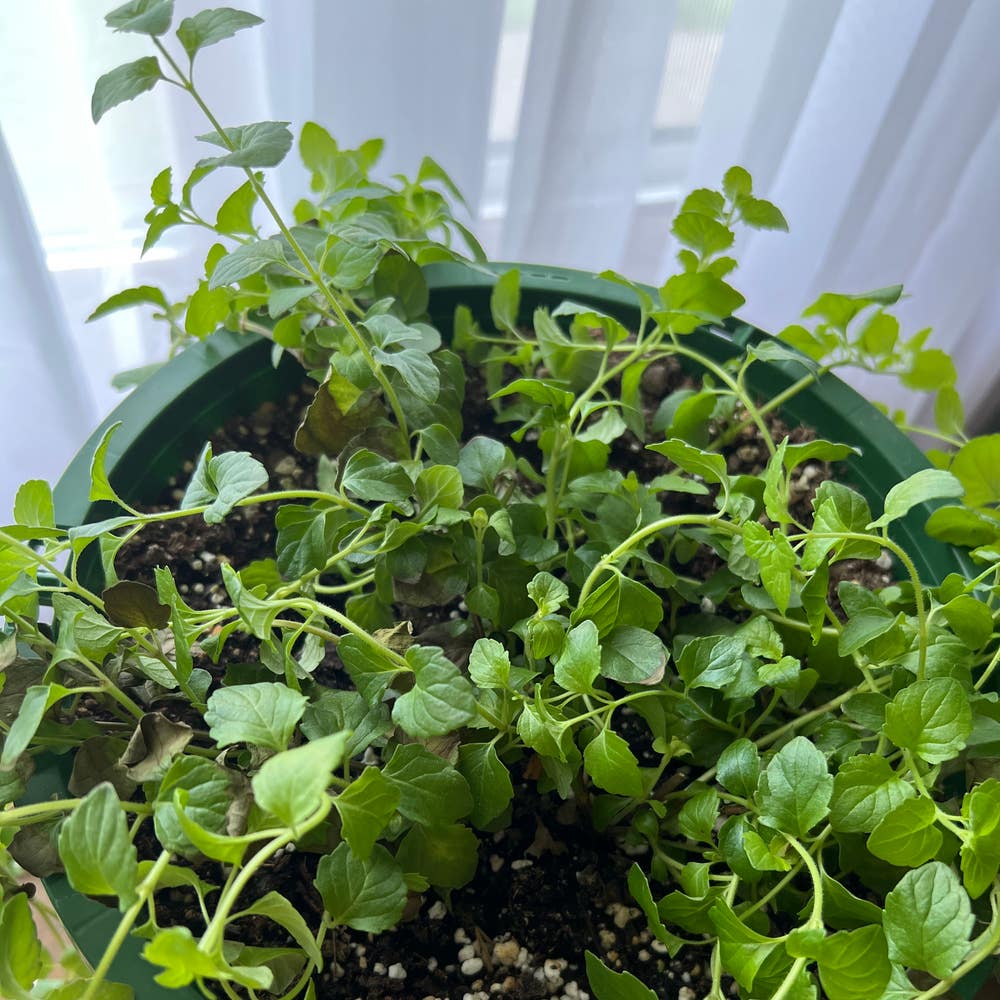
4 Indoor Indian Borage Care Hacks
Coleus amboinicus
By the Greg Editorial Team
Jan 06, 2025•5 min read
This article was created with the help of AI so we can cover more plants for you. May contain errors. See one? Report it here.
Unlock the secret to thriving Indian Borage indoors with essential light and care tips! 🌱
- 🌞 Indian Borage needs 6-8 hours of bright, indirect sunlight for optimal growth.
- 💧 Water only when the top inch of soil is dry to prevent root rot.
- 🌿 Maintain humidity between 40-60% to avoid leaf curling and browning tips.
Light Requirements
Ideal Indoor Light Levels 🌞
For your indoor Indian Borage, the ideal light exposure is bright, indirect sunlight for about 6-8 hours daily. If you notice leggy growth, pale leaves, or slow growth, it’s a sign your plant isn’t getting enough light.
Role of Grow Lights 💡
In situations where natural light is lacking, grow lights become essential. They help supplement light, ensuring your plant thrives even in dim conditions.
Choosing the Best Grow Light 🛠️
When selecting a grow light, consider several key factors:
Light Spectrum
Opt for full-spectrum lights that mimic natural sunlight. This ensures your plant receives the broad range of wavelengths it needs for optimal growth.
Wattage
For small to medium-sized plants, a wattage of 20-40 watts is generally sufficient. This range provides enough energy without overwhelming your plant.
Adjustable Height
Choose lights with adjustable height features. This allows you to position the light optimally as your plant grows, ensuring it receives consistent light exposure.
With the right light conditions, your Indian Borage will flourish, setting the stage for healthy growth. Next, let’s explore the watering and humidity needs to keep your plant thriving.
Watering and Humidity Needs
💧 Watering Needs and Frequency
Watering your Indian Borage correctly is crucial for its health. Allow the top inch of soil to dry out between waterings to prevent overwatering.
Signs of overwatering include yellowing leaves, root rot, and wilting. Keep an eye on your plant to ensure it thrives.
🌫️ Humidity Control
Humidity plays a significant role in the growth of Indian Borage. Aim for ideal humidity levels between 40-60% for optimal growth.
Low humidity can lead to leaf curling and browning tips. Monitoring your indoor environment is essential for maintaining plant health.
🌿 Tips for Maintaining Humidity
There are several effective ways to boost humidity around your Indian Borage. One simple method is to use humidity trays; fill trays with water and pebbles to increase local humidity.
Grouping plants together can create a microclimate with higher humidity. Additionally, regular misting of leaves can help boost humidity, especially during dry seasons.
By implementing these strategies, you can create a thriving environment for your Indian Borage. Next, let’s explore the ideal temperature and soil requirements to further enhance your plant care routine.
Temperature and Soil Requirements
Ideal Temperature Range 🌡️
Maintaining the right temperature is crucial for your indoor Indian Borage. Aim for an optimal range of 20°C to 30°C (68°F to 86°F) to keep your plant thriving.
To protect your borage from drafts and frost, position it away from windows and doors during the colder months. This simple adjustment can make a significant difference in its health.
Best Soil Type 🌱
Choosing the right soil is equally important. Look for a well-draining, fertile potting mix enriched with organic matter to provide essential nutrients.
The ideal soil pH for Indian Borage is between 6.0 and 7.0. This range ensures optimal nutrient uptake, promoting robust growth.
Preparing Soil for Growth 🛠️
Preparing the soil correctly sets the foundation for your plant's success. Follow these steps for optimal results:
- Mix equal parts of potting soil, perlite, and compost to create a nutrient-rich blend.
- Ensure proper drainage by adding gravel or sand at the bottom of the pot.
- Test the soil pH using a soil testing kit and amend it as necessary to maintain the ideal range.
By following these guidelines, you’ll create a thriving environment for your Indian Borage. Now that you have the temperature and soil requirements down, let’s explore how to keep your plant well-watered and humidified for optimal growth.
Fertilization and Maintenance
Fertilization Schedule 🌱
To keep your indoor Indian Borage thriving, fertilize every 4-6 weeks during the growing season. Opt for a balanced liquid fertilizer, like NPK 10-10-10, or go organic with options such as fish emulsion for a nutrient boost.
Maintaining Appearance ✂️
Regular maintenance is key to a healthy plant. Check for dead or yellowing leaves and remove them promptly to encourage new growth.
Rotating for Growth 🔄
Don’t forget to rotate your pot every few weeks. This simple action ensures even growth and maximizes exposure to light, helping your plant flourish.
Pruning and Grooming Techniques 🌿
Pruning is essential for a bushier appearance. Trim back any leggy growth to promote a fuller shape and healthier plant.
Cleaning for Health 🧼
Grooming your Indian Borage is just as important. Use a damp cloth to wipe down the leaves, removing dust and enhancing photosynthesis for optimal health.
With these fertilization and maintenance tips, your indoor Indian Borage will not only survive but thrive. Next, let’s dive into common issues and solutions to keep your plant in top shape.
Common Issues and Solutions
🐜 Common Pests and Prevention
Indoor plants can attract a variety of pests, with aphids, spider mites, and mealybugs being the most common culprits. To keep your Indian borage healthy, conduct regular inspections of leaves and stems, looking for any signs of these unwanted guests.
If you spot pests, don't panic! Neem oil or insecticidal soap can be effective treatments. These natural solutions help eliminate pests without harming your plant.
🔧 Troubleshooting Indoor Problems
Yellowing leaves can be a sign of overwatering or nutrient deficiencies. Check the soil moisture and consider adjusting your watering schedule or adding fertilizer.
If your plant is wilting despite adequate watering, it might be suffering from root rot or poor drainage. Inspect the roots and ensure your pot has proper drainage holes to prevent water from accumulating.
🦠 Preventing Diseases
Good air circulation is essential for preventing diseases in your indoor plants. Ensure your Indian borage has enough space around it to breathe.
Avoid overhead watering, as this can lead to fungal diseases. Instead, water at the base of the plant. Additionally, using sterilized soil and pots can help prevent soil-borne diseases from taking hold.
With these tips, you can keep your Indian borage thriving and free from common issues. Next, let’s explore how to maintain its vibrant appearance and health through proper fertilization and maintenance.
⚠️ Safety First
This content is for general information and may contain errors, omissions, or outdated details. It is not medical, veterinary advice, or an endorsement of therapeutic claims.
Always consult a qualified healthcare professional before using any plant as food, medicine, or supplement.
Never eat any plant (or feed one to pets) without confirming its identity with at least two trusted sources.
If you suspect poisoning, call Poison Control (800) 222-1222, the Pet Poison Helpline (800) 213-6680, or your local emergency service immediately.
Spotted an error? Please report it here.
Transform your Indian Borage into a lush beauty 🌱 by using Greg's tailored light and watering tips to keep it thriving all year round!