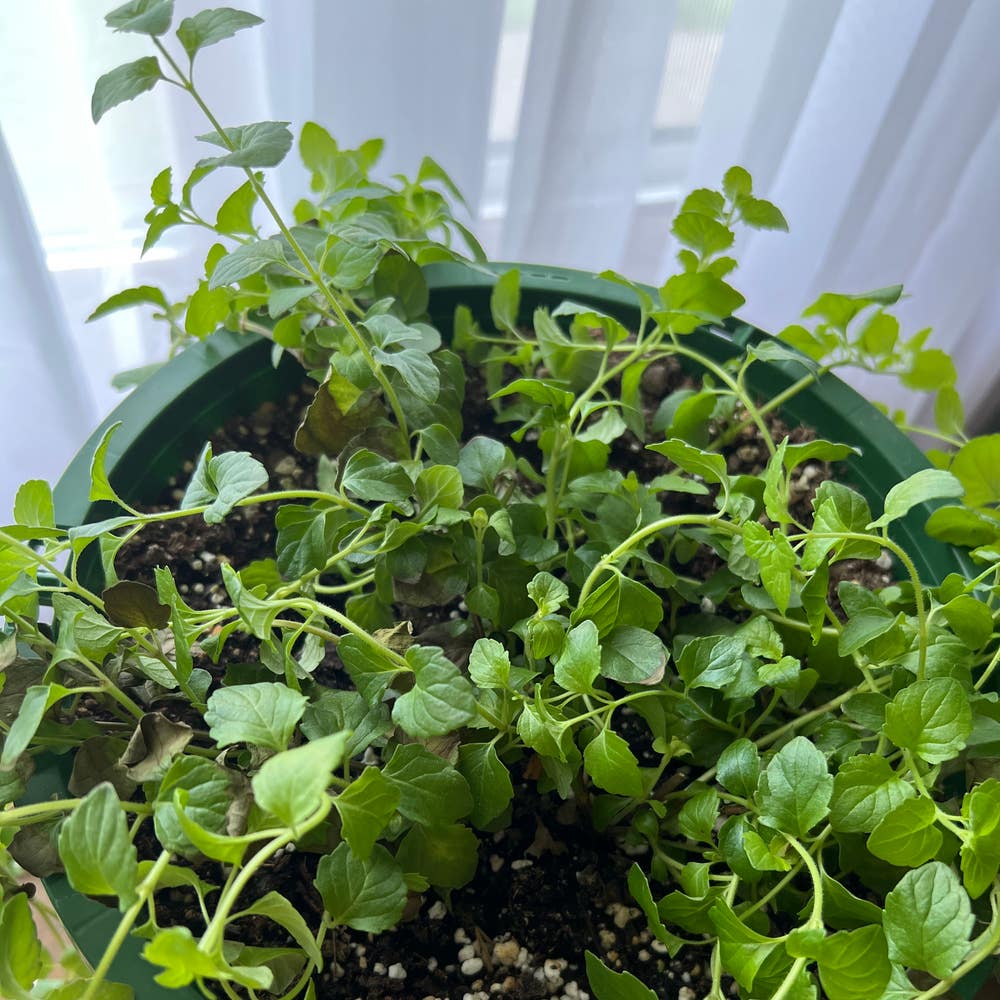
How and When to Pollinate Indian Borage 🐝
Coleus amboinicus
By the Greg Editorial Team
Jan 06, 2025•6 min read
This article was created with the help of AI so we can cover more plants for you. May contain errors. See one? Report it here.
Unlock the secrets of Indian Borage's flowers to enhance pollination and nurture a vibrant garden ecosystem! 🌼
- 🌼 Indian Borage attracts pollinators like bees and butterflies with its vibrant flowers.
- 🌱 Self and cross-pollination enhance genetic diversity, ensuring robust seed production.
- 🐝 Creating a pollinator-friendly garden boosts pollination success and supports local ecosystems.
Flower Structure
Description of Characteristics 🌸
Indian Borage features stunning tubular flowers that are designed to facilitate easy access to nectar. Their vibrant purple or blue hues attract a variety of pollinators, making them a visual delight in any garden.
The flowers are arranged in whorls, which enhances their visibility and accessibility. This strategic arrangement ensures that pollinators can easily find and access the nectar, promoting effective pollination.
Role in Pollination 🐝
The structure of Indian Borage flowers allows for self-pollination, thanks to the close proximity of the stamens and pistils. This means that the plant can produce seeds even in isolation, ensuring its survival in less-than-ideal conditions.
However, the design of these flowers also encourages cross-pollination. By attracting diverse pollinator species, Indian Borage increases its genetic diversity, which is crucial for resilience and adaptability in changing environments.
Pollination Process
Self-Pollination Mechanism 🌱
Indian Borage has a fascinating ability to self-pollinate. This occurs when the pollen is released at the same time the stigma is receptive, allowing the plant to fertilize itself efficiently.
Self-pollination is particularly beneficial in isolated conditions, as it ensures seed production even when pollinators are scarce. This adaptability is crucial for the survival of the species.
Cross-Pollination Requirements 🐝
While self-pollination is effective, cross-pollination enhances genetic diversity. Several primary pollinator species play vital roles in this process.
- Bees: These busy insects transfer pollen while foraging for nectar, making them essential for cross-pollination.
- Butterflies: Attracted by the vibrant colors and sweet nectar, butterflies also contribute to pollen transfer.
- Other Pollinators: Moths and hummingbirds are additional players, drawn in by the flower's allure.
The flower's color, scent, and abundant nectar production are key attraction mechanisms. These features not only entice pollinators but also ensure a thriving ecosystem around Indian Borage.
As we explore the next section, we'll delve into the natural pollination mechanisms that support this vibrant plant.
Natural Pollination
🌬️ Pollen Transfer Mechanisms
Pollination in Indian Borage relies on several mechanisms, including wind, insect activity, and gravity. Each method plays a crucial role in ensuring that pollen reaches the stigma, facilitating fertilization.
Wind can carry lightweight pollen grains over short distances, but it's the insects that truly shine in this process. Bees, butterflies, and other pollinators actively transfer pollen as they forage for nectar, making them essential for effective pollination.
🌱 Importance for Reproduction
The successful transfer of pollen is vital for seed production in Indian Borage. This process not only leads to the formation of seeds but also enhances genetic diversity within the plant population.
Genetic diversity is crucial for resilience, allowing Indian Borage to adapt to changing environmental conditions. Cross-pollination introduces new genetic material, strengthening the overall health of the species and ensuring its survival in various habitats.
🌍 Genetic Diversity
Cross-pollination significantly contributes to genetic variation in Indian Borage populations. This variation is essential for the plant's adaptability and resilience against diseases and environmental stressors.
By promoting genetic diversity, Indian Borage can thrive in diverse ecosystems, making it a robust choice for gardeners and pollinator enthusiasts alike. Understanding these dynamics can inspire us to create environments that support not just Indian Borage but a wide range of plant and pollinator species.
As we delve deeper into the world of pollination, the next section will explore hand pollination techniques, offering practical insights for those looking to enhance their gardening efforts.
Hand Pollination Techniques
Hand pollination can be a rewarding way to ensure the successful reproduction of Indian Borage. This technique is especially useful when natural pollinators are scarce or when you want to control the genetic outcome of your plants.
Step 1: Identifying Male and Female Flower Parts 🌸
To start, you need to recognize the male and female parts of the flower. The male components are the stamens, which consist of anthers and filaments, while the female part is the pistil, made up of the stigma and ovary.
Step 2: Collecting Pollen 🌼
Next, gather pollen from the anthers. A small brush or cotton swab works perfectly for this task, allowing you to collect the fine yellow grains without damaging the flower.
Step 3: Transferring Pollen 🔄
Once you have collected the pollen, it’s time to transfer it. Gently apply the pollen to the stigma of the same flower or another flower to facilitate fertilization.
Step 4: Timing for Hand Pollination ⏰
Timing is crucial for effective hand pollination. Aim to perform this process during peak flowering times when the flowers are fully open and most receptive to pollen.
Hand pollination not only boosts seed production but also allows you to experiment with different plant combinations. This technique can enhance your gardening experience and contribute to the overall health of your Indian Borage plants.
As you explore hand pollination, consider the next section on creating a pollinator-friendly environment to support your gardening efforts even further.
Supporting Pollinators
🌼 Creating a Pollinator-Friendly Environment
To support pollinators, start by planting a variety of flowering plants. This diversity ensures a continuous supply of nectar, which is essential for attracting and sustaining pollinator populations.
Additionally, it's crucial to avoid pesticides that can harm beneficial insects. Opt for organic gardening methods to create a safe haven for bees, butterflies, and other vital pollinators.
🌱 Suggested Companion Plants
Certain companion plants can significantly enhance your garden's appeal to pollinators. Here are some excellent choices:
- Marigolds: These vibrant flowers attract bees and butterflies, making them a must-have in any pollinator garden.
- Lavender: Known for its lovely scent, lavender provides nectar for various pollinator species, ensuring they keep returning to your garden.
- Borage: Not only does borage enhance pollination, but it also attracts beneficial insects, creating a thriving ecosystem.
By incorporating these plants, you can create a lively and inviting environment for pollinators, ultimately benefiting your garden's health and productivity.
As you nurture these plants, remember that a thriving garden is a collaborative effort between you and nature. Your actions can make a significant difference in supporting these essential creatures.
Next, let’s explore the challenges pollinators face and how we can overcome them.
Pollination Challenges and Solutions
🌪️ Common Obstacles
Pollination can be hindered by various environmental factors. Temperature fluctuations, high humidity, and strong winds can significantly affect pollinator activity, making it challenging for plants like Indian Borage to reproduce effectively.
Urbanization and habitat loss also pose serious threats. As natural habitats shrink, the populations of essential pollinators decline, leading to reduced pollination success for many plants.
💡 Solutions
Fortunately, there are several strategies to enhance pollination success. One effective approach is planting native species that attract local pollinators, creating a welcoming environment for bees, butterflies, and other beneficial insects.
Providing water sources is another simple yet impactful solution. Pollinators need hydration, especially during hot weather, so adding a small water feature or shallow dishes can make a big difference.
Timing your planting is crucial too. By aligning your planting schedule with peak pollinator activity seasons, you can ensure that your flowers are in bloom when pollinators are most active, maximizing the chances of successful pollination.
By addressing these challenges with thoughtful solutions, you can create a thriving ecosystem that supports both Indian Borage and its vital pollinators.
⚠️ Safety First
This content is for general information and may contain errors, omissions, or outdated details. It is not medical, veterinary advice, or an endorsement of therapeutic claims.
Always consult a qualified healthcare professional before using any plant as food, medicine, or supplement.
Never eat any plant (or feed one to pets) without confirming its identity with at least two trusted sources.
If you suspect poisoning, call Poison Control (800) 222-1222, the Pet Poison Helpline (800) 213-6680, or your local emergency service immediately.
Spotted an error? Please report it here.
Pollinate your Indian Borage like a pro 🌼 and boost your garden's biodiversity with Greg's tailored tips and reminders for attracting pollinators at just the right moment!