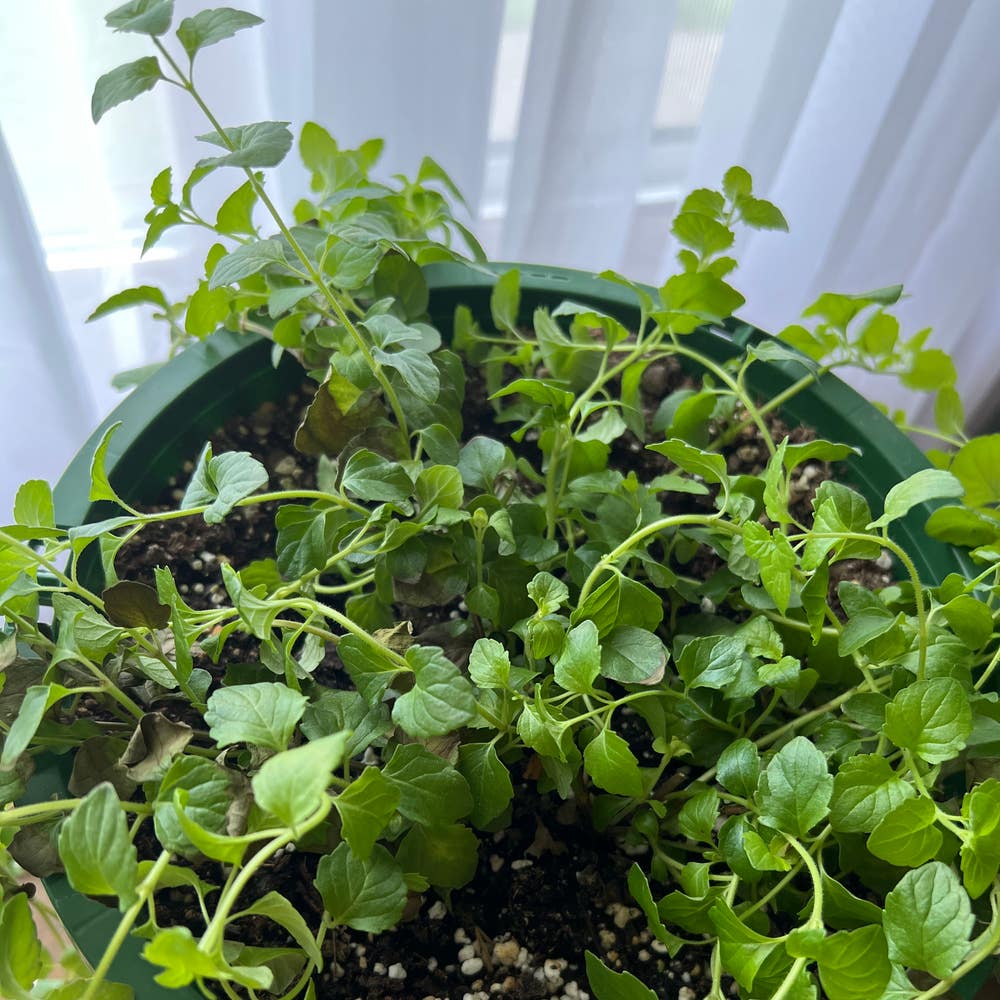
Coleus Fragrantissimus Explained: Key Information 👃
Coleus amboinicus
By the Greg Editorial Team
Jan 31, 2025•13 min read
This article was created with the help of AI so we can cover more plants for you. May contain errors. See one? Report it here.
Elevate your garden's charm effortlessly with the vibrant Coleus Fragrantissimus! 🌱
- 🌞 Coleus Fragrantissimus thrives in partial shade to prevent leaf scorch.
- 🌱 Use well-draining soil with pH 6.0-7.0 for optimal growth.
- 🌼 Regular pruning encourages bushiness and enhances garden aesthetics.
How to Grow
🌞 Choosing a Location
Coleus Fragrantissimus thrives best in partial shade. This light condition helps prevent leaf scorch, ensuring your plant remains vibrant and healthy.
When deciding between outdoor and container growing, consider your space. Container gardening offers flexibility, allowing you to move your plants to optimal light conditions.
🌱 Soil Preparation
For optimal growth, use well-draining, fertile soil enriched with organic matter. This type of soil provides the necessary nutrients for robust development.
Aim for a pH level between 6.0 and 7.0, which is slightly acidic to neutral. This range supports healthy root development and nutrient absorption.
🌼 Planting Techniques
The best time to plant Coleus is in spring, after the last frost has passed. This timing ensures that your plants have the warm temperatures they need to thrive.
When planting outdoors, space your plants 12-18 inches apart. This spacing allows for adequate air circulation and room for growth.
💧 Watering Requirements
Keep the soil consistently moist but avoid waterlogging. Regular watering is essential, especially during dry spells.
Watch for signs of overwatering, such as yellowing leaves or root rot, and underwatering, indicated by wilting or crispy leaf edges. Adjust your watering routine accordingly.
🌿 Fertilizing Schedule
Use a balanced, water-soluble fertilizer to nourish your Coleus. This type of fertilizer provides essential nutrients for healthy growth.
Fertilize every 4-6 weeks during the growing season. This regular feeding supports vibrant foliage and overall plant health.
✂️ Pruning Methods
Prune your Coleus regularly throughout the growing season to encourage bushiness. This practice helps maintain a fuller appearance.
Techniques include pinching back the tips of stems and removing any dead leaves. These actions promote new growth and keep your plant looking its best.
🔍 Ongoing Care
Monitor your Coleus for pests and diseases, as early detection is key to maintaining plant health. Regular checks can help you catch issues before they escalate.
Adjust your care based on seasonal changes. As temperatures fluctuate, be prepared to modify watering and light exposure to keep your plant thriving.
With these guidelines, you'll be well on your way to growing a healthy and beautiful Coleus Fragrantissimus. Next, let’s explore how to propagate this stunning plant for even more greenery in your garden!
Propagation
🌱 Stem Cuttings
To propagate Coleus Fragrantissimus effectively, start by selecting healthy stems that are 4-6 inches long. These cuttings should be taken from the tips of the plant, ensuring they are free from disease and pests.
For the rooting medium, a mix of peat and perlite works wonders. This combination provides excellent drainage while retaining enough moisture for the cuttings to thrive.
🍃 Leaf Cuttings
Leaf cuttings can also be a viable propagation method. To achieve successful rooting, ensure you use healthy, mature leaves and place them in a suitable medium, similar to that used for stem cuttings.
Keep the leaf cuttings in a warm, humid environment to encourage root development. Mist them regularly to maintain moisture levels without over-saturating the medium.
🌼 Seed Propagation
If you prefer to grow Coleus from seeds, timing is crucial. Sow seeds in early spring, ideally after the last frost, to give them the best chance to thrive.
Under optimal conditions, expect a germination period of about 10-14 days. Ensure the seeds are kept warm and moist, and you'll soon see those little sprouts emerge.
With these propagation techniques, you can easily expand your Coleus collection or share them with friends. Next, let’s explore the lifecycle of this fascinating plant.
Lifecycle
Lifecycle Stages 🌱
Coleus Fragrantissimus can be classified as either an annual or perennial plant, depending on your climate. In warmer regions, it thrives as a perennial, while in cooler areas, it behaves like an annual, completing its life cycle in one growing season.
Germination Process 🌱
For successful seed germination, provide optimal conditions: warm temperatures and consistent moisture. Aim for a temperature range of 70-75°F (21-24°C) to encourage sprouting.
Seedling Stage 🌱
Healthy seedlings exhibit vibrant green leaves and sturdy stems. They should be well-formed and not leggy, indicating they are receiving adequate light and care.
Vegetative Growth 🌱
During the vegetative stage, Coleus plants focus on leaf production and overall growth. This is when they develop their lush foliage, which is essential for their aesthetic appeal.
Flowering and Seed Production 🌱
Coleus typically flowers in late summer, producing small, tubular blooms. After flowering, the plant will set seeds, completing its reproductive cycle.
Lifespan and Growth Timeline 🌱
Coleus Fragrantissimus takes approximately 12-16 weeks to reach full maturity. With a moderate growth rate, you can expect it to achieve its full size within a single growing season, making it a rewarding choice for gardeners.
As we explore the benefits of this vibrant plant, you'll discover why it's a favorite among both novice and experienced gardeners.
Size
Mature Height and Spread 🌱
Coleus Fragrantissimus typically reaches a mature height of 12 to 24 inches. Its spread usually ranges from 12 to 18 inches, making it a versatile addition to various garden layouts.
Growth Rate and Size Variability 📈
The growth rate of Coleus can vary significantly based on several factors. Key influences include light availability, water supply, and soil quality, all of which play crucial roles in determining how robust your plants will grow.
Factors Affecting Size 📏
Container size and outdoor space also impact the overall size of your Coleus. A larger container allows for more root development, while ample outdoor space can lead to more expansive growth, enhancing the plant's overall vigor.
Understanding these size dynamics can help you plan your garden effectively. With the right conditions, your Coleus can thrive and become a stunning focal point in your landscape.
Benefits
🌟 Top 5 Benefits
1. Aesthetic Appeal
Coleus Fragrantissimus boasts vibrant foliage that can transform any garden into a visual delight. Its rich colors and unique leaf patterns add depth and interest to your outdoor space.
2. Fragrant Leaves
The leaves of Coleus Fragrantissimus release a pleasant aroma, enhancing the sensory experience of your garden. This delightful fragrance can create a soothing atmosphere for relaxation.
3. Versatile Use
This plant is not just for show; it serves both ornamental and culinary purposes. You can enjoy its beauty in your garden while also incorporating its leaves into various dishes.
4. Attracts Pollinators
Coleus Fragrantissimus plays a vital role in supporting local ecosystems. Its flowers attract pollinators like bees and butterflies, promoting biodiversity in your garden.
5. Easy to Grow
For beginners, this plant is a low-maintenance option. Its resilience and adaptability make it a perfect choice for those new to gardening.
🌍 Cultural Significance
Throughout history, Coleus has held various meanings in different cultures. In some traditions, it symbolizes prosperity and good fortune, while in others, it is valued for its medicinal properties. Understanding these cultural connections can deepen your appreciation for this remarkable plant.
By incorporating Coleus Fragrantissimus into your garden, you not only enjoy its beauty and benefits but also connect with a rich tapestry of cultural history. This makes it a meaningful addition to any plant collection.
Companion Plants
🌱 Concept of Companion Planting
Companion planting is all about creating a harmonious garden environment. By strategically placing plants together, you can enhance growth, deter pests, and improve overall health.
🌼 Best Companion Plants
When it comes to Coleus Fragrantissimus, some of the best companions include:
- Marigolds: These vibrant flowers repel nematodes and other pests.
- Impatiens: They thrive in similar light conditions and add a splash of color.
- Basil: Not only does it complement the aesthetic, but it also helps deter harmful insects.
These plants share similar care needs, making them easy to manage together. Plus, they can create a visually stunning garden display.
🚫 Plants to Avoid
While many plants can thrive alongside Coleus, some should be kept at a distance. Avoid planting:
- Cabbage family plants: They can attract pests that may also target Coleus.
- Heavy feeders: Plants that require a lot of nutrients may compete with Coleus for resources.
Being mindful of your plant choices can lead to a healthier garden ecosystem. By selecting the right companions, you can ensure your Coleus thrives while also creating a vibrant and diverse garden.
As you consider companion planting, remember that the right combinations can enhance not just the beauty of your garden but also its resilience. Next, let’s explore the fascinating world of Coleus propagation techniques.
Toxicity to Humans
🛡️ Safety for Humans
Coleus Fragrantissimus is generally safe for humans, as it is not listed as toxic by major poison control centers. However, minor issues can arise from contact or ingestion, such as mild skin irritation or digestive discomfort if consumed in large amounts.
🚑 When to Seek Medical Advice
If you experience any unusual symptoms after handling or consuming the plant, it’s essential to seek medical advice. Staying informed about potential reactions can help ensure a safe and enjoyable gardening experience.
Edible
Edible Parts 🌿
Coleus Fragrantissimus boasts vibrant, aromatic leaves that are not only visually appealing but also edible. These leaves can be used fresh in salads or as a flavorful garnish, adding a unique twist to your culinary creations.
Harvesting and Preparation 🍽️
When harvesting, gently pinch off leaves, ensuring you don’t damage the plant. Rinse them thoroughly under cool water to remove any dirt or pests before using them in your dishes.
Nutritional Value 🥗
These leaves are low in calories and rich in essential nutrients. They provide antioxidants and may offer anti-inflammatory benefits, making them a delightful addition to a healthy diet.
Coleus Fragrantissimus is not just a feast for the eyes; it can also enhance your meals with its unique flavor profile. As you explore its culinary potential, consider pairing it with other herbs to create exciting flavor combinations.
Toxicity to Dogs
🐶 Safety for Dogs
Coleus Fragrantissimus is generally safe for dogs, as it is not listed as toxic by major pet poison control centers. However, if your furry friend consumes large quantities, they might experience mild gastrointestinal upset.
🏡 Tips for Introducing to Homes with Dogs
When introducing Coleus to your home, consider its placement carefully. Keep it out of reach of curious pups and monitor their behavior around the plant to ensure they don’t nibble on it excessively.
By following these simple precautions, you can enjoy the beauty of Coleus Fragrantissimus without worrying about your dog's safety. Now, let’s explore how this plant interacts with our feline friends.
Toxicity to Cats
Safety for Cats 🐱
Coleus Fragrantissimus is not considered toxic to cats by major pet poison control centers. This means you can enjoy this beautiful plant without worrying about your feline friends getting harmed.
Potential Minor Issues ⚠️
While generally safe, consuming large quantities of Coleus can lead to mild gastrointestinal upset in cats. It's always best to monitor your pets and ensure they don't munch on too much greenery.
Tips for Introducing to Homes with Cats 🏡
When bringing Coleus into a home with cats, consider its placement carefully. Keep it out of reach to prevent any accidental snacking, and observe your cat's behavior around the plant to ensure they don't show excessive interest.
Conclusion 📝
With proper care and attention, you can safely enjoy the vibrant beauty of Coleus Fragrantissimus in your home. Just remember to keep an eye on your furry companions to ensure a harmonious coexistence.
Problems
Common Problems 🌱
Growing Coleus Fragrantissimus can be rewarding, but it’s not without its challenges. Here are some common problems you might encounter:
Incorrect Watering: Overwatering can lead to root rot, while underwatering causes wilting. Look for signs like yellowing leaves for overwatering and crispy edges for underwatering.
Incorrect Light Conditions: Too much sun can scorch the leaves, while too little light may result in leggy growth. Watch for faded colors or stretched stems as indicators of light issues.
Diseases: Fungal diseases like powdery mildew and rust can affect your plants. These often manifest as white spots or rust-colored patches on leaves.
Leaf Issues: Scorched leaves can occur from excessive sun exposure, while yellowing leaves may indicate nutrient deficiencies or poor watering practices.
Growth Problems: If your Coleus is leggy or etiolated, it’s likely not getting enough light. This results in weak, stretched stems that can’t support the plant.
Identifying Symptoms and Causes 🔍
Understanding the symptoms is key to diagnosing problems effectively.
Overwatering Symptoms: Yellow leaves, mushy stems, and a sour smell from the soil indicate root rot.
Underwatering Symptoms: Leaves may curl, turn brown, or become crispy at the edges.
Light Issues Symptoms: Scorched leaves will have brown tips, while leggy growth features long, weak stems with sparse foliage.
Disease Symptoms: Powdery mildew appears as a white, powdery coating, while rust shows up as orange or brown spots.
Solutions for Common Issues 💡
Addressing these problems can be straightforward with the right approach.
Watering: Ensure your Coleus has well-draining soil. Water when the top inch feels dry, and always check for drainage.
Light Conditions: Place your plant in partial shade to avoid scorching. If it’s leggy, move it to a brighter spot.
Disease Management: Remove affected leaves and improve air circulation. Use fungicides if necessary, but always follow instructions carefully.
Leaf Care: Regularly inspect leaves for signs of distress. Adjust watering and light exposure based on observed symptoms.
Growth Issues: If your plant is leggy, consider pruning back to encourage bushier growth. This will help it regain strength and fullness.
By staying vigilant and responsive to your Coleus's needs, you can enjoy a thriving, vibrant plant. Next, let’s explore the fascinating world of pests that might threaten your Coleus.
Bugs
🐞 Potential Pest Issues
Coleus plants can face a variety of pest challenges, but they are generally resilient. Understanding their susceptibility can help you take proactive measures to protect your plants.
🔍 Identifying Pests
Common pests that may invade your coleus include spider mites, aphids, and mealybugs.
- Spider Mites: Look for fine webbing on leaves and a stippled appearance.
- Aphids: These tiny, soft-bodied insects cluster on new growth, often causing leaves to curl.
- Mealybugs: White, cottony masses on stems and leaves indicate a mealybug infestation.
Recognizing these signs early can save your plants from significant damage.
🧪 Treatment Options
When it comes to managing pests, you have several options.
- Organic Methods: Introduce beneficial insects like ladybugs or use insecticidal soap to target pests without harming your plants.
- Chemical Control: If infestations are severe, consider using a targeted pesticide, but always follow label instructions for safety.
Regular monitoring and prompt action can keep your coleus thriving and pest-free.
What Eats Coleus
🦌 Common Animals
Coleus plants can attract a variety of hungry critters. The most common culprits include deer, rabbits, and squirrels, all of which may find your vibrant foliage irresistible.
🔍 Signs of Animal Presence
To identify if animals are munching on your coleus, look for specific signs of damage. Chewed leaves, missing stems, and droppings around the base of the plant can indicate animal activity.
🚫 Deterring Animal Damage
Protecting your coleus from these hungry visitors can be achieved through several methods.
- Chemical deterrents: Sprays that have strong scents can repel animals.
- Organic solutions: Using barriers like chicken wire or planting companion plants can help keep them at bay.
By employing these strategies, you can safeguard your coleus and enjoy its beauty without the worry of unwanted nibblers.
⚠️ Safety First
This content is for general information and may contain errors, omissions, or outdated details. It is not medical, veterinary advice, or an endorsement of therapeutic claims.
Always consult a qualified healthcare professional before using any plant as food, medicine, or supplement.
Never eat any plant (or feed one to pets) without confirming its identity with at least two trusted sources.
If you suspect poisoning, call Poison Control (800) 222-1222, the Pet Poison Helpline (800) 213-6680, or your local emergency service immediately.
Spotted an error? Please report it here.
Transform your space with thriving Coleus Fragrantissimus 🌱 by using Greg's tailored care reminders to keep your plants healthy and vibrant all season long!