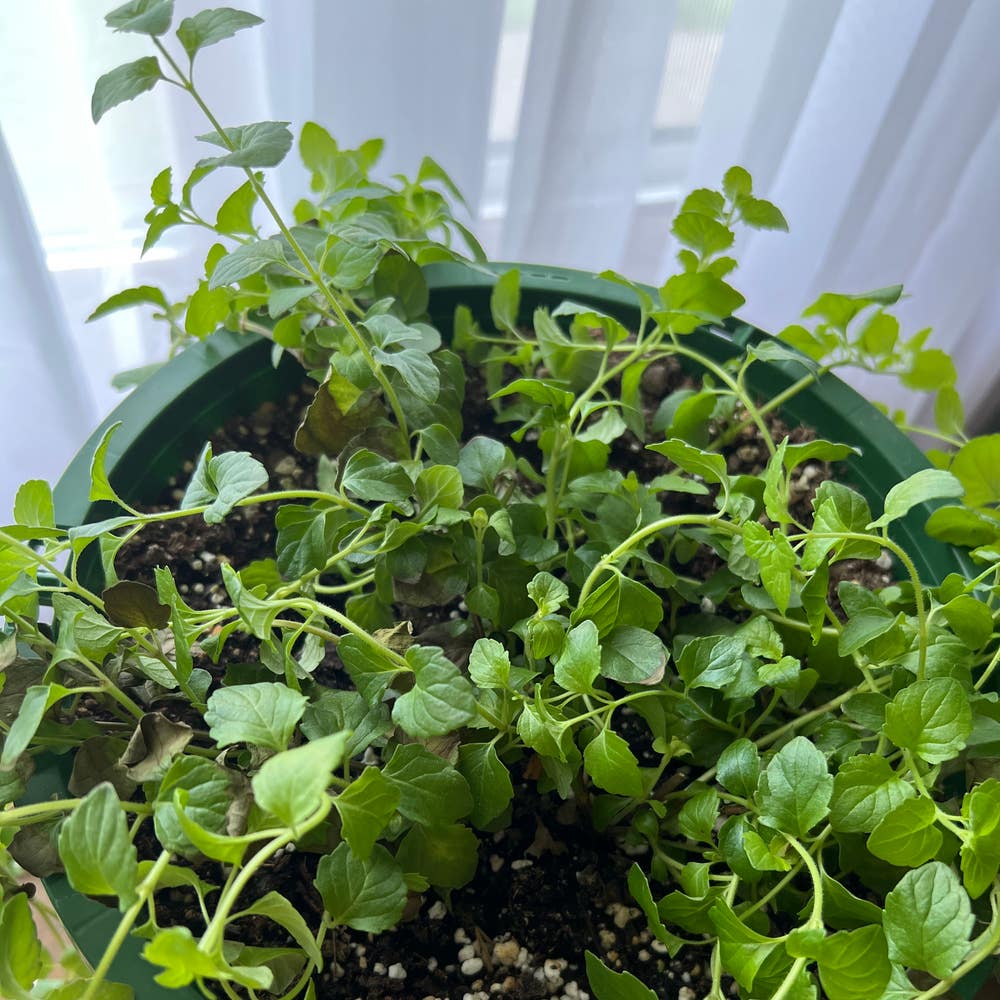
Top 8 Pot Options to Make Your Cuban Oregano Thrive 🪴
Coleus amboinicus
By the Greg Editorial Team
Nov 24, 2024•7 min read
This article was created with the help of AI so we can cover more plants for you. May contain errors. See one? Report it here.
Unlock the secret to thriving Cuban oregano 🌱 by mastering pot sizes and materials for optimal growth and health!
- 🌱 Choose pot size wisely: 4-6 inches for seedlings, 12-14 inches for mature plants.
- 💧 Proper drainage is crucial: Prevent root rot with pots that have sufficient drainage holes.
- 🌿 Pot material affects moisture: Clay dries quickly, while plastic retains moisture longer.
Pot Sizes for Growth Stages
Recommended Sizes 🌱
When it comes to pot sizes for Cuban oregano, choosing the right dimensions is crucial at each growth stage.
Seedlings: Start with a container that is 4-6 inches in diameter and at least 6 inches deep. This size allows for initial root development without overwhelming the young plant.
Mature Plants: As your oregano grows, transition to an 8-10 inch diameter pot with a depth of 10-12 inches. This size supports further growth and helps retain moisture.
Established Plants: For fully grown plants, opt for a pot that is 12-14 inches in diameter and 12-14 inches deep. This spacious environment accommodates extensive root systems and promotes healthy growth.
Size Impact on Growth 📏
The size of the pot significantly influences root development and overall plant health. A larger pot provides more room for roots to spread, which enhances nutrient uptake and stability.
Moreover, pot size directly affects moisture retention. Smaller pots dry out faster, requiring more frequent watering, while larger pots can hold moisture longer, reducing the risk of drought stress. It's essential to monitor your watering routine based on the pot size to keep your Cuban oregano thriving.
As you consider pot sizes, remember that the right choice lays the foundation for robust growth and a flourishing plant. Next, let’s explore the various pot materials that can further impact your oregano's health and vitality.
Pot Materials
🌱 Clay Pots
Advantages
Clay pots are a gardener's best friend when it comes to air circulation. Their breathable material allows roots to access oxygen, promoting healthier growth.
Additionally, clay pots help regulate soil temperature. This is crucial for preventing overheating, especially during hot summer months.
Disadvantages
However, clay pots come with their downsides. They are heavier and more fragile than plastic options, making them less portable.
Moreover, they tend to dry out quickly. This means you’ll need to water your plants more frequently to keep them thriving.
🪴 Plastic Pots
Advantages
Plastic pots offer a lightweight and durable alternative. Their ease of movement makes them ideal for those who like to rearrange their plants.
They also retain moisture longer than clay pots. This can significantly reduce the frequency of watering, which is a plus for busy gardeners.
Disadvantages
On the flip side, plastic pots are less breathable. This can lead to root rot if drainage isn't properly managed.
Additionally, they can heat up quickly in direct sunlight. This may negatively impact root health, so placement is key.
🏺 Other Materials
Ceramic Pots
Ceramic pots bring aesthetic appeal to your gardening space. They come in various designs, adding a decorative touch to your plants.
However, they share similar benefits and drawbacks with clay pots. While they look great, they can also dry out quickly and are prone to cracking.
Metal Pots
Metal pots are durable and stylish, making them a trendy choice. However, they can overheat quickly, which can stress your plants.
Careful monitoring of soil moisture is essential when using metal pots. This ensures your plants stay hydrated without risking root damage.
Biodegradable Pots
Biodegradable pots are an eco-friendly option for the environmentally conscious gardener. They can be planted directly into the ground, reducing transplant shock.
However, they may not provide adequate support for larger plants. It's important to consider the size and type of plant before opting for this material.
In summary, the choice of pot material significantly impacts your Cuban oregano's health and growth. Understanding these options will help you make informed decisions as you nurture your plants. Next, let’s explore the crucial aspect of drainage considerations to ensure your plants thrive.
Drainage Considerations
Importance of Drainage Holes 🌊
Drainage holes are essential for preventing water accumulation in pots. Without them, excess water can lead to root rot, a common issue that can devastate your Cuban oregano.
For optimal drainage, the number of holes should correspond to the pot size. Generally, one hole is sufficient for smaller pots (4-6 inches), while larger pots (8-14 inches) should have at least two to three holes.
Ensuring Proper Drainage 🚰
Choosing the right potting soil is crucial for promoting drainage. Look for mixes specifically designed for potted plants, as they often contain materials that enhance water flow.
Additionally, consider adding perlite or sand to your soil mix. These materials improve drainage and aeration, ensuring your oregano's roots receive the oxygen they need.
Signs of Poor Drainage 🚫
Keep an eye out for symptoms of poor drainage, such as wilting, yellowing leaves, and stunted growth. These signs indicate that your plant is struggling and may need immediate attention.
If left unaddressed, poor drainage can lead to root rot and eventually plant death. Regularly check your pots and soil conditions to keep your Cuban oregano thriving.
Understanding drainage is vital for your plant's health. With the right pot and soil choices, you can create an environment where your oregano flourishes. Next, let’s explore the process of repotting to ensure your plant continues to grow strong and healthy.
Repotting
When to Repot 🌱
Repotting is essential for maintaining the health of your Cuban oregano. Look for signs like root-bound plants, stunted growth, or soil depletion as indicators that it’s time to make a change.
Aim to repot every 1-2 years or whenever your plant outgrows its current pot. This ensures your oregano has enough space to thrive.
Choosing the Right Pot 🪴
Selecting the right pot is crucial for your plant's future growth. Consider factors such as size, material, and drainage features when making your choice.
A pot that accommodates future growth will help your plant flourish. Don’t underestimate the importance of these considerations.
Step-by-Step Guide to Repotting 📝
Repotting can seem daunting, but following these steps will make it manageable:
- Prepare the new pot: Ensure it has drainage holes and is filled with appropriate potting soil.
- Remove the plant: Gently take the plant out of its current pot, being careful not to damage the roots.
- Inspect the roots: Check for signs of rot or damage and trim any unhealthy sections.
- Place the plant: Position it in the new pot, making sure it sits at the same depth as before.
- Fill in with soil: Add potting soil around the roots, firming it gently to eliminate air pockets.
- Water thoroughly: After repotting, give your plant a good drink and place it in a suitable location for recovery.
Repotting not only refreshes your plant's environment but also sets the stage for healthy growth. With the right pot and care, your Cuban oregano will thrive beautifully.
Impact of Pot Choice on Health and Growth
🌧️ Moisture Retention
Different pot materials significantly influence moisture retention. Clay pots, while breathable, tend to dry out quickly, necessitating more frequent watering.
In contrast, plastic pots retain moisture longer, which can be beneficial for plants that prefer consistent hydration. Regardless of the material, it's crucial to monitor soil moisture levels to ensure your Cuban oregano thrives.
📏 Effects of Size on Root Development
The size of the pot plays a vital role in root development. Larger pots provide ample space for roots to expand, leading to better nutrient uptake and overall plant health.
On the flip side, smaller pots can restrict root growth, resulting in stunted plants. Choosing the right pot size is essential for fostering a robust root system.
🌡️ Influence of Material on Temperature Regulation
Pot material also affects soil temperature, which is crucial for root health. Clay and ceramic pots tend to keep soil cooler, while metal pots can heat up quickly in direct sunlight.
Selecting the right material based on your growing environment—whether indoors or outdoors—can help maintain optimal conditions for your Cuban oregano. This consideration is key to ensuring your plant remains healthy and vibrant.
⚠️ Safety First
This content is for general information and may contain errors, omissions, or outdated details. It is not medical, veterinary advice, or an endorsement of therapeutic claims.
Always consult a qualified healthcare professional before using any plant as food, medicine, or supplement.
Never eat any plant (or feed one to pets) without confirming its identity with at least two trusted sources.
If you suspect poisoning, call Poison Control (800) 222-1222, the Pet Poison Helpline (800) 213-6680, or your local emergency service immediately.
Spotted an error? Please report it here.
Give your Cuban oregano the perfect pot 🪴 it deserves, and let Greg guide you with tailored care tips and watering reminders to ensure it thrives beautifully!