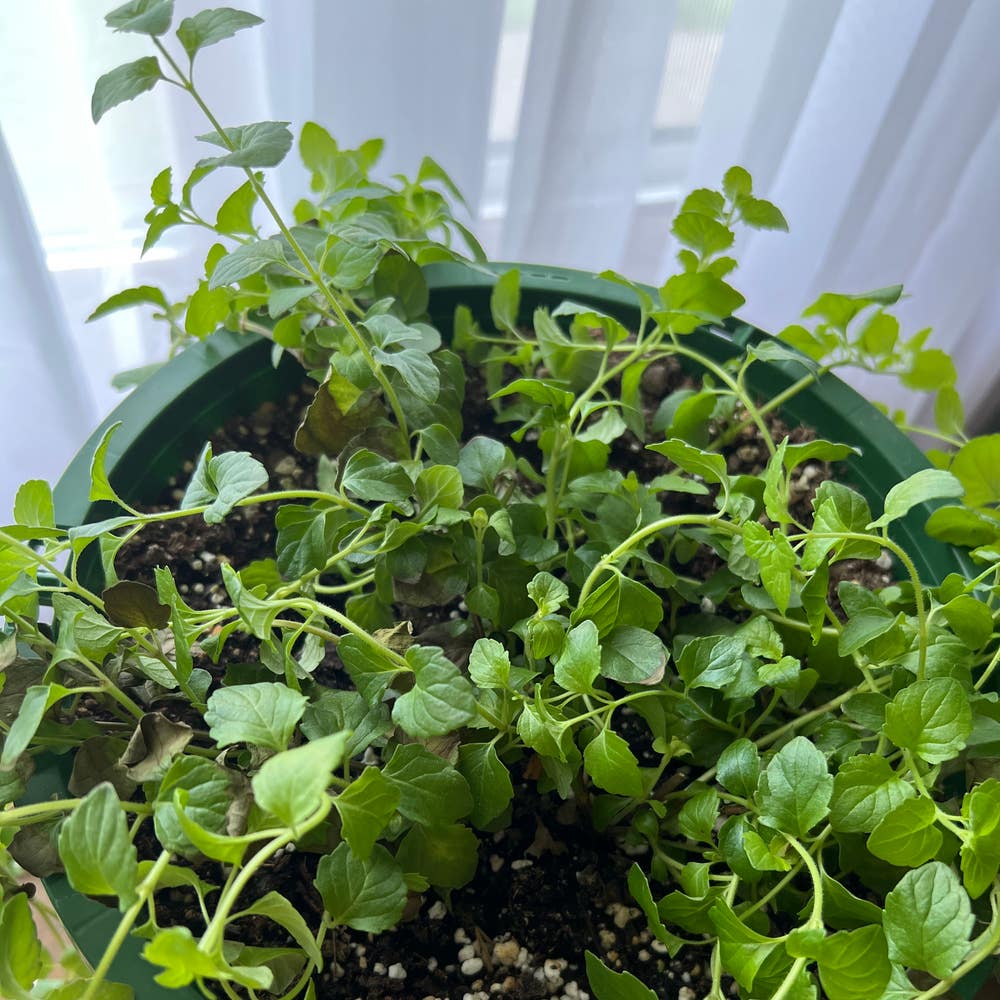
What to Do About Curling Leaves on Your Cuban Oregano
Coleus amboinicus
By the Greg Editorial Team
Nov 24, 2024•4 min read
This article was created with the help of AI so we can cover more plants for you. May contain errors. See one? Report it here.
Rescue your Cuban oregano from leaf curl 🌱 and unlock its full potential with these essential care tips!
- 🌱 Curling leaves in Cuban oregano stem from pests, stress, or nutrient deficiencies.
- 🌡️ Maintain 20°C to 30°C temperature and 50%-70% humidity for optimal growth.
- 🐞 Control pests like aphids with neem oil or beneficial insects for healthier plants.
Common Causes of Leaf Curl
🌡️ Environmental Stress Factors
Temperature plays a crucial role in the health of your Cuban oregano. The ideal range is between 20°C to 30°C (68°F to 86°F); outside this range, you may notice symptoms like leaf curling and discoloration.
Humidity is another key factor. Cuban oregano thrives in optimal humidity levels of 50% to 70%. Low humidity can lead to leaf curling and drying out, while high humidity increases the risk of fungal infections.
🐛 Pest Infestations and Their Impact
Pests can wreak havoc on your plants, and Cuban oregano is no exception. Common culprits include aphids, which leave curled leaves and a sticky residue, and spider mites, identifiable by fine webbing and stippled leaves.
These pests contribute to leaf curl by feeding on the plant's sap. This weakens the plant structure and can lead to further complications, including the transmission of diseases that jeopardize overall plant health.
🥦 Nutrient Deficiencies and Their Symptoms
Nutrient deficiencies can also cause curling leaves. Key nutrients include nitrogen, which can lead to yellowing leaves and stunted growth, and magnesium, which is associated with leaf curling and interveinal chlorosis.
Identifying these deficiencies is often straightforward. Look for visual signs such as changes in leaf color and abnormal growth patterns to determine if your plant is lacking essential nutrients.
Understanding these common causes of leaf curl is the first step in addressing the issue effectively. Next, we'll explore how to diagnose the problem and implement effective treatments.
Treatment for Curling Leaves
🕵️♂️ Step-by-Step Guide to Diagnosing the Issue
Diagnosing curling leaves on your Cuban oregano starts with a thorough inspection. First, look for visible signs of pests like aphids or spider mites.
Next, check the environmental conditions. Measure the temperature and humidity levels to ensure they fall within the ideal range.
Assess your watering practices by evaluating soil moisture and drainage. Overwatering can lead to root rot, while underwatering can stress the plant.
Finally, examine nutrient levels by testing the soil for deficiencies. This step is crucial for identifying any nutrient-related issues.
🐞 Recommended Treatments for Pests
If pests are the culprit, you have several treatment options. For organic solutions, consider using neem oil or insecticidal soap, both effective against common pests.
Alternatively, you can introduce beneficial insects, such as ladybugs, to your garden. These natural predators can help keep pest populations in check without harmful chemicals.
💧 Adjusting Watering Practices
Watering practices play a significant role in plant health. Ensure you allow the soil to dry out between waterings to prevent overwatering.
Be vigilant for signs of overwatering, such as wilting, yellowing leaves, and root rot. Adjust your watering schedule accordingly to maintain a healthy balance.
🌱 Nutrient Supplementation Strategies
To address nutrient deficiencies, establish a fertilization schedule. Use a balanced fertilizer every 4-6 weeks during the growing season for optimal growth.
Consider the types of fertilizers you use. Liquid fertilizers provide quick absorption, while slow-release options offer sustained nutrition over time.
With these treatments and adjustments, your Cuban oregano can thrive again. Next, let’s explore how to prevent leaf curl from occurring in the first place.
Prevention of Leaf Curl
Best Practices for Care 🌱
Regular monitoring is essential for keeping your Cuban oregano healthy. Inspect your plants weekly for any signs of stress or pests to catch issues early.
Proper spacing is another key factor. Ensure adequate airflow around your plants to reduce humidity buildup, which can lead to leaf curl.
Ideal Growing Conditions ☀️
Cuban oregano thrives in full sun, requiring 6-8 hours of sunlight daily for optimal growth. This exposure helps prevent issues related to insufficient light.
Temperature management is crucial as well. Avoid extreme fluctuations and provide shade during heatwaves to protect your plants from stress.
Humidity control can make a significant difference. Consider using a humidifier or pebble trays to maintain the ideal humidity levels for your oregano.
Regular Maintenance Tips ✂️
Pruning is a simple yet effective way to promote airflow. Remove dead or damaged leaves regularly to keep your plants healthy and vibrant.
Soil management is equally important. Use well-draining soil to prevent root issues that can lead to leaf curl and other problems.
By following these best practices, you can create a thriving environment for your Cuban oregano, minimizing the risk of leaf curl and ensuring robust growth. Next, let’s explore how to diagnose and treat any curling leaves you may encounter.
⚠️ Safety First
This content is for general information and may contain errors, omissions, or outdated details. It is not medical, veterinary advice, or an endorsement of therapeutic claims.
Always consult a qualified healthcare professional before using any plant as food, medicine, or supplement.
Never eat any plant (or feed one to pets) without confirming its identity with at least two trusted sources.
If you suspect poisoning, call Poison Control (800) 222-1222, the Pet Poison Helpline (800) 213-6680, or your local emergency service immediately.
Spotted an error? Please report it here.
Keep your Cuban oregano curl-free 🌱 by using Greg's tailored care reminders to maintain optimal conditions and tackle any issues before they arise!