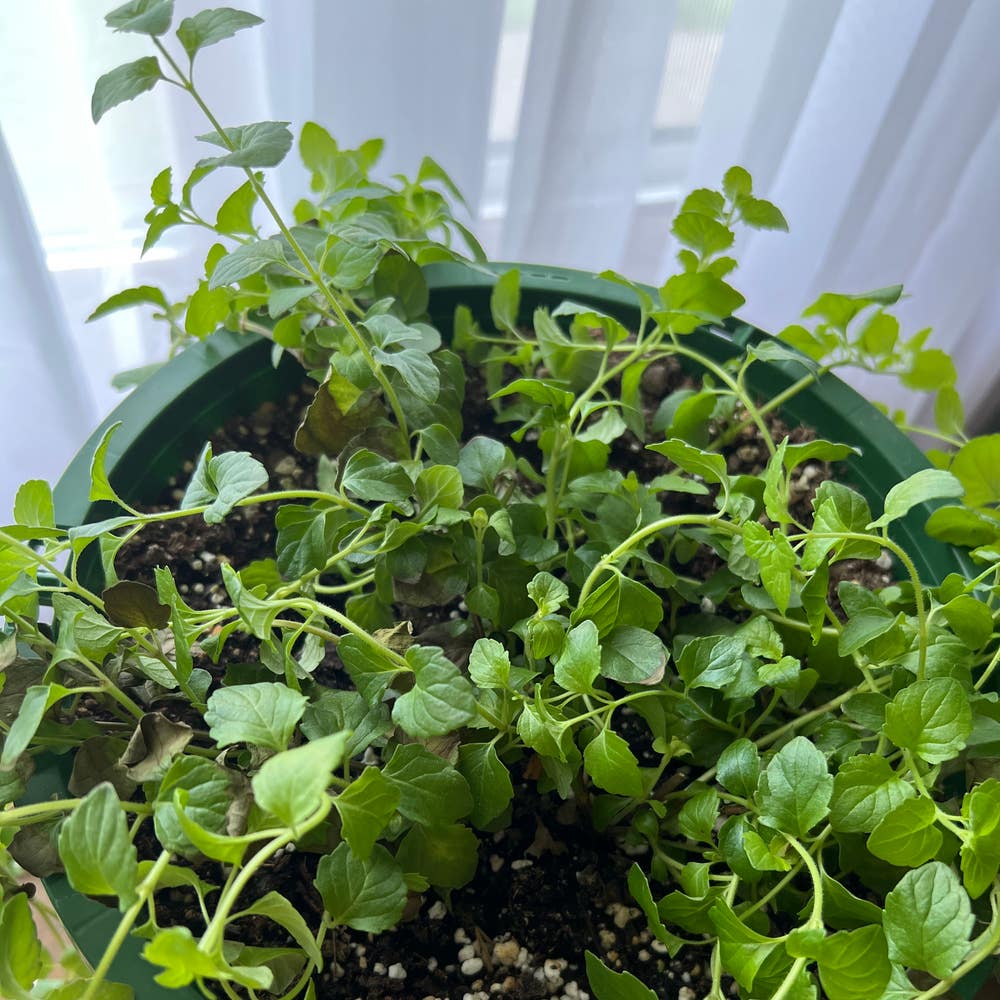
Best Practices for Planting Indian Borage 🥄
Coleus amboinicus
By the Greg Editorial Team
Nov 26, 2024•6 min read
This article was created with the help of AI so we can cover more plants for you. May contain errors. See one? Report it here.
Unlock a thriving Indian Borage garden 🌱 with essential planting techniques that guarantee lush growth and aromatic rewards!
- 🌱 Proper planting techniques ensure healthy growth of Indian Borage.
- 🌞 Spring planting after frost is ideal for optimal growth conditions.
- 💧 Avoid overwatering and ensure well-draining soil to protect roots.
Importance of Proper Planting Techniques
Planting techniques play a crucial role in the growth and health of Indian Borage. When done correctly, they can lead to robust plants that thrive, while improper methods can result in stunted growth or even plant failure.
Novice gardeners often face common challenges, such as overwatering or poor soil selection. These issues can hinder the plant's ability to establish itself, leading to frustration and disappointment. Understanding the importance of proper planting techniques can help mitigate these challenges and set the stage for a flourishing garden.
By mastering these techniques, you can ensure your Indian Borage not only survives but thrives, providing you with a lush, aromatic addition to your garden. As you embark on your gardening journey, remember that every small step counts toward creating a vibrant and healthy plant.
With the right knowledge and approach, you'll be well-equipped to tackle the joys and challenges of planting Indian Borage. Next, let’s explore the benefits and drawbacks of planting versus transplanting this versatile herb.
Benefits and Drawbacks of Planting vs. Transplanting
When it comes to growing Indian Borage, deciding between planting new seeds or transplanting established plants can significantly impact your gardening experience. Each method has its own set of advantages and challenges.
🌱 Benefits of Planting New Indian Borage
Planting new Indian Borage seeds is often more cost-effective than purchasing established plants. This method also gives you greater control over the growing conditions, allowing you to tailor the environment to suit the plant's needs.
⚠️ Drawbacks of Planting New Indian Borage
However, planting new seeds does come with some downsides. It typically takes longer for the plants to mature, and you may face initial establishment challenges as the seedlings adapt to their new environment.
🌿 Benefits of Transplanting Established Indian Borage
On the flip side, transplanting established Indian Borage offers immediate availability for use in your garden or kitchen. These plants come with established root systems, which can lead to quicker growth and a more robust plant overall.
🚧 Drawbacks of Transplanting Established Indian Borage
Yet, transplanting isn't without its risks. There’s a chance of transplant shock, which can hinder growth, and the potential for root damage during the process can affect the plant's health.
Understanding these benefits and drawbacks will help you make an informed decision about whether to plant new seeds or transplant established Indian Borage. This choice will set the stage for your gardening success, leading us to the next critical step: how to effectively plant new Indian Borage.
Planting New Indian Borage
🌱 Optimal Timing for Planting
Spring is the ideal season for planting Indian Borage, specifically after the last frost. This herb thrives in warm temperatures, making USDA zones 9-11 perfect for its growth.
🪴 Selecting the Right Soil Mix and Containers
For optimal growth, choose a well-draining, fertile loam soil. Aim for a soil pH between 6.0 and 7.0 to ensure your plants flourish.
When it comes to container gardening, select pots that are at least 12 inches deep. This depth allows for adequate root development and moisture retention.
📏 Proper Depth and Spacing for Planting
Plant your Indian Borage seeds or seedlings at a depth of 1-2 inches. Ensure you space them 12-18 inches apart to promote healthy growth and airflow.
☀️ Tips for Maintaining Ideal Growing Conditions
Indian Borage loves full sun, so provide it with 6-8 hours of sunlight daily.
Water consistently to keep the soil moist, but avoid waterlogging, which can harm the roots.
During the growing season, apply a balanced NPK fertilizer every 4-6 weeks to support robust growth.
🌳 Hardening Off Process Before Outdoor Planting
Acclimatizing your plants is crucial to reduce transplant shock.
Follow these steps for a successful hardening off process:
- Start indoors 1-2 weeks before planting outdoors.
- Gradually expose your plants to outdoor conditions by increasing their time outside each day.
- Monitor for stress and adjust exposure based on how your plants respond.
By preparing your Indian Borage properly, you set the stage for a thriving garden. Next, let’s explore the process of transplanting established Indian Borage for those looking to move their plants.
Transplanting Established Indian Borage
🌱 Optimal Timing for Transplanting
Transplanting Indian Borage is best done in early spring or fall when temperatures are cooler. Look for signs like overcrowding or poor growth to determine if your plants are ready for a new home.
🛠️ Step-by-Step Instructions for Transplanting
Removing the Plant from Its Current Location
- Water the plant thoroughly a day before transplanting to hydrate the roots.
- Use a spade to gently loosen the soil around the roots, being careful not to damage them.
- Carefully lift the plant, ensuring you preserve as much root mass as possible for a successful transition.
Preparing the New Planting Site
- Choose a location that receives full sun and has well-draining soil.
- If needed, amend the soil by adding compost or organic matter to enrich it.
- Dig a hole that is twice the width of the root ball to give your plant ample space to settle in.
Ensuring Proper Placement and Spacing
Position the plant at the same depth it was previously growing to avoid stress. Space your plants 12-18 inches apart to allow for healthy growth and airflow.
💧 Tips for Watering, Mulching, and Support
Immediately water the plant after transplanting and keep the soil consistently moist to help it adjust.
Apply a 2-inch layer of organic mulch around the base to retain moisture and suppress weeds.
If your plants are tall or in a windy area, consider using stakes for support to keep them upright and thriving.
Transplanting can be a rewarding experience, setting the stage for healthy growth. Next, let’s explore how to troubleshoot common issues that may arise during this process.
Troubleshooting Common Issues
🌱 Identifying Transplant Shock
Transplant shock can be a frustrating hurdle for gardeners. Look out for symptoms like wilting, yellowing leaves, and stunted growth, which indicate that your Indian Borage is struggling.
The primary causes of transplant shock are root disturbance and sudden environmental changes. When you move a plant, it can take time for it to adjust to its new surroundings.
🛠️ Solutions for Establishment Problems
If you suspect overwatering, check your drainage. Ensuring that your pots or garden beds have proper drainage can prevent waterlogged soil, which is detrimental to plant health.
Additionally, improving soil conditions is crucial. Test the soil pH and amend it as needed to create a more hospitable environment for your Indian Borage.
🌿 General Care Tips for Newly Planted or Transplanted Indian Borage
Regular monitoring is key to a thriving garden. Keep an eye out for pests and diseases that can hinder your plant's growth.
Be prepared to adjust your care based on how your Indian Borage responds. Modifying your watering and fertilization schedule can make a significant difference in its recovery and growth.
With these tips, you can help your Indian Borage flourish, turning potential setbacks into opportunities for learning and growth. Next, let’s explore the optimal timing for transplanting established Indian Borage.
⚠️ Safety First
This content is for general information and may contain errors, omissions, or outdated details. It is not medical, veterinary advice, or an endorsement of therapeutic claims.
Always consult a qualified healthcare professional before using any plant as food, medicine, or supplement.
Never eat any plant (or feed one to pets) without confirming its identity with at least two trusted sources.
If you suspect poisoning, call Poison Control (800) 222-1222, the Pet Poison Helpline (800) 213-6680, or your local emergency service immediately.
Spotted an error? Please report it here.
Master the art of planting Indian Borage with Greg's tailored tips and reminders 🌱, ensuring your plants thrive in their new home while avoiding common pitfalls!