🚫 Indian Borage: An Invasive Plant
Coleus amboinicus
By the Greg Editorial Team
Nov 23, 2024•5 min read
This article was created with the help of AI so we can cover more plants for you. May contain errors. See one? Report it here.
Uncover the hidden dangers of Indian Borage 🌿, an invasive plant that disrupts ecosystems and threatens biodiversity!
- 🌱 Indian Borage is invasive, rapidly spreading and outcompeting native plants.
- ⚠️ It disrupts ecosystems, reducing biodiversity and altering habitats significantly.
- 💰 Management costs are high, impacting property values in infested areas.
Plant Classification
Definition of Weeds and Invasive Species 🌱
Weeds are unwanted plants that invade cultivated areas, competing with desired crops and flowers. Invasive species, on the other hand, are non-native plants that spread aggressively, disrupting local ecosystems and outcompeting native flora.
Criteria for Classifying Indian Borage as Invasive 🚫
Indian Borage meets several criteria that classify it as an invasive species. Its rapid spread allows it to quickly colonize new areas, while its competitive nature enables it to outcompete native plants for essential resources.
Additionally, Indian Borage significantly impacts local ecosystems by altering habitats and reducing biodiversity. This combination of traits makes it a formidable presence in many environments.
Comparison with Other Common Invasive Plants 🔍
When comparing Indian Borage to other invasive plants, such as Kudzu and Japanese knotweed, similarities emerge. All these plants share aggressive growth habits and the ability to dominate their surroundings, but Indian Borage stands out due to its unique adaptability and resilience.
Its thick, fleshy leaves and ability to thrive in various conditions contribute to its invasive reputation. Understanding these characteristics helps in recognizing the challenges posed by Indian Borage and similar species.
As we delve deeper into identifying this plant, it’s crucial to recognize its defining features and how they contribute to its invasive nature.
Identification
Key Identifying Features 🌿
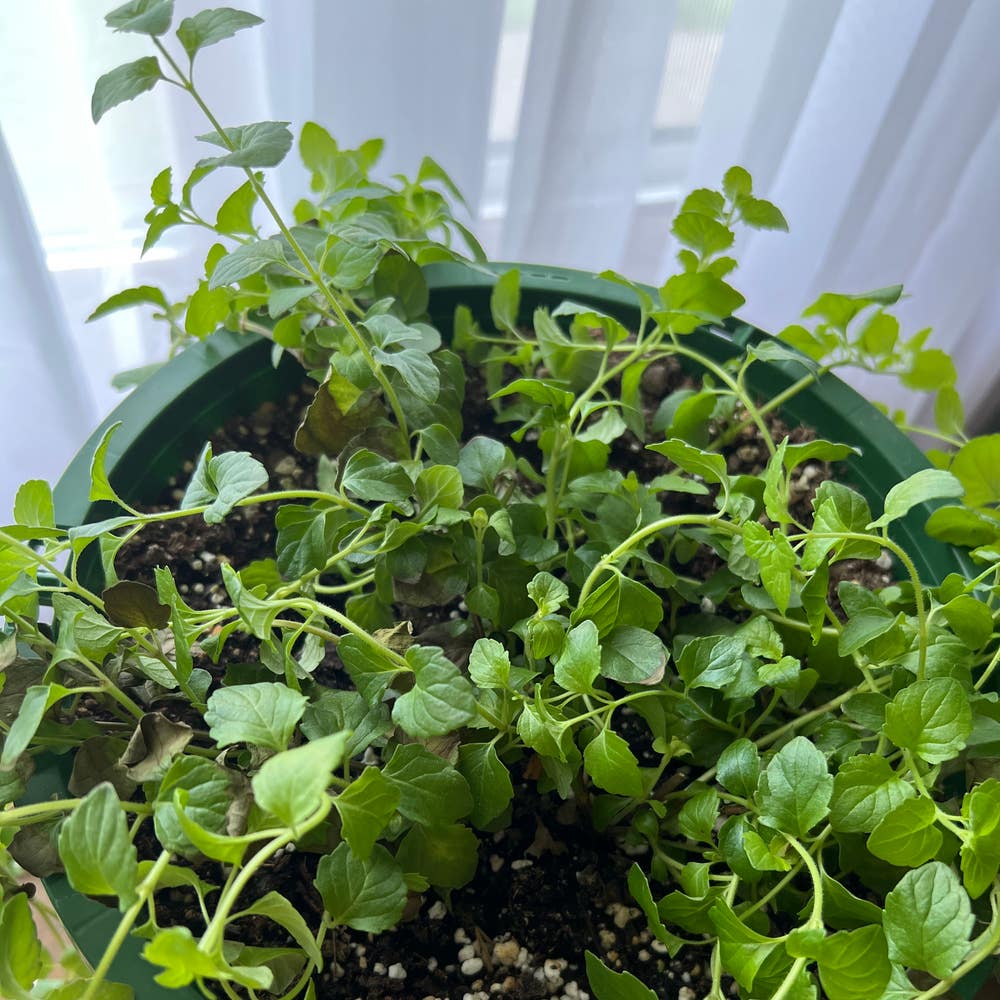
Indian Borage is easily recognizable by its thick, fleshy, and aromatic leaves. These leaves closely resemble those of oregano or mint, making it a bit tricky for the untrained eye.
This plant can grow impressively tall, reaching heights of up to 1 meter. Its small, tubular flowers typically bloom in shades of purple or white, adding to its distinctive appearance.
Look-Alike Plants and Distinguishing Characteristics 👀
When comparing Indian Borage to oregano and mint, you'll notice some similarities in leaf structure. However, the aroma is a key differentiator; Indian Borage has a more robust scent.
Additionally, the leaf texture and growth patterns set it apart. While oregano and mint may spread, Indian Borage tends to grow more upright and bushy, making it a formidable presence in any garden.
Understanding these identifying features is crucial for recognizing and managing this invasive plant effectively. With this knowledge, you can take proactive steps to control its spread in your area.
Growth Habits and Spread
Typical Growth Patterns 🌱
Indian Borage exhibits a robust, upright, and bushy growth form. This plant is notorious for its ability to spread rapidly, making it a formidable presence in any environment.
Adaptability 🌍
One of the remarkable traits of Indian Borage is its adaptability. It thrives in a variety of soil types and conditions, allowing it to establish itself in diverse habitats.
Reproductive Strategies and Methods of Spread 🌿
Indian Borage employs two primary reproductive strategies that contribute to its invasive nature.
- Seed Production: This plant produces a high volume of seeds, which significantly aids in its rapid spread.
- Vegetative Propagation: Indian Borage can root from stem cuttings, allowing it to expand its territory quickly.
Environmental Conditions Favoring Growth ☀️
This invasive species prefers disturbed areas, where it can take advantage of the available resources.
- Light Requirements: It flourishes in full sun to partial shade, making it versatile in various light conditions.
- Soil Preferences: Well-drained soil is ideal, but Indian Borage shows remarkable tolerance to drought and poor soil conditions, further enhancing its invasive potential.
Understanding these growth habits and spread mechanisms is crucial for effective management and control of Indian Borage. By recognizing its adaptability and reproductive strategies, we can better prepare for the challenges it poses to local ecosystems.
Next, we will explore the ecological and economic impacts of this invasive plant.
Ecological and Economic Impact
🌱 Effects on Native Plant Communities
Indian Borage is notorious for displacing native species. Its aggressive growth allows it to outcompete local flora, leading to a significant reduction in biodiversity.
This invasive plant alters habitat structure, changing the composition of plant communities. As it spreads, it disrupts the delicate balance of ecosystems, impacting not just plants but also the animals that rely on them.
💸 Economic Losses Associated with Indian Borage
The economic implications of Indian Borage are substantial. Landowners and municipalities face high costs for management and control efforts to combat its spread.
Additionally, heavily infested areas often see decreased property values. This can lead to financial strain for homeowners and local governments, making effective management strategies essential.
Understanding the ecological and economic impacts of Indian Borage is crucial for developing effective control measures. Next, we will explore various control and management techniques to mitigate its spread.
Legal Status and Potential Benefits
Overview of Laws and Regulations 🌍
The legal status of Indian Borage varies by region, with many local and national regulations addressing the cultivation and sale of invasive species. These laws aim to protect native ecosystems from the aggressive spread of plants like Indian Borage, which can outcompete local flora.
Land managers and gardeners must adhere to specific guidelines that often include restrictions on planting and requirements for reporting infestations. Understanding these regulations is crucial for anyone involved in land management or gardening to prevent further ecological disruption.
Historical and Current Beneficial Uses 🌱
Despite its invasive nature, Indian Borage has historical significance in traditional medicine and culinary practices. It has been used for its aromatic leaves in various dishes and is known for its potential health benefits, such as anti-inflammatory properties.
However, it's essential to recognize that these benefits do not outweigh the negative impacts of its invasiveness. The ecological damage caused by Indian Borage often leads to a decline in biodiversity, making its cultivation a contentious issue among environmentalists and land managers alike.
In summary, while Indian Borage may offer some benefits, its classification as an invasive species highlights the need for careful management and consideration of its ecological impact. As we move forward, understanding the balance between its uses and its potential harm is vital for sustainable practices.
⚠️ Safety First
This content is for general information and may contain errors, omissions, or outdated details. It is not medical, veterinary advice, or an endorsement of therapeutic claims.
Always consult a qualified healthcare professional before using any plant as food, medicine, or supplement.
Never eat any plant (or feed one to pets) without confirming its identity with at least two trusted sources.
If you suspect poisoning, call Poison Control (800) 222-1222, the Pet Poison Helpline (800) 213-6680, or your local emergency service immediately.
Spotted an error? Please report it here.
Combat the spread of invasive Indian Borage 🌱 with Greg's tailored plant management tips, ensuring your garden thrives while protecting local biodiversity!