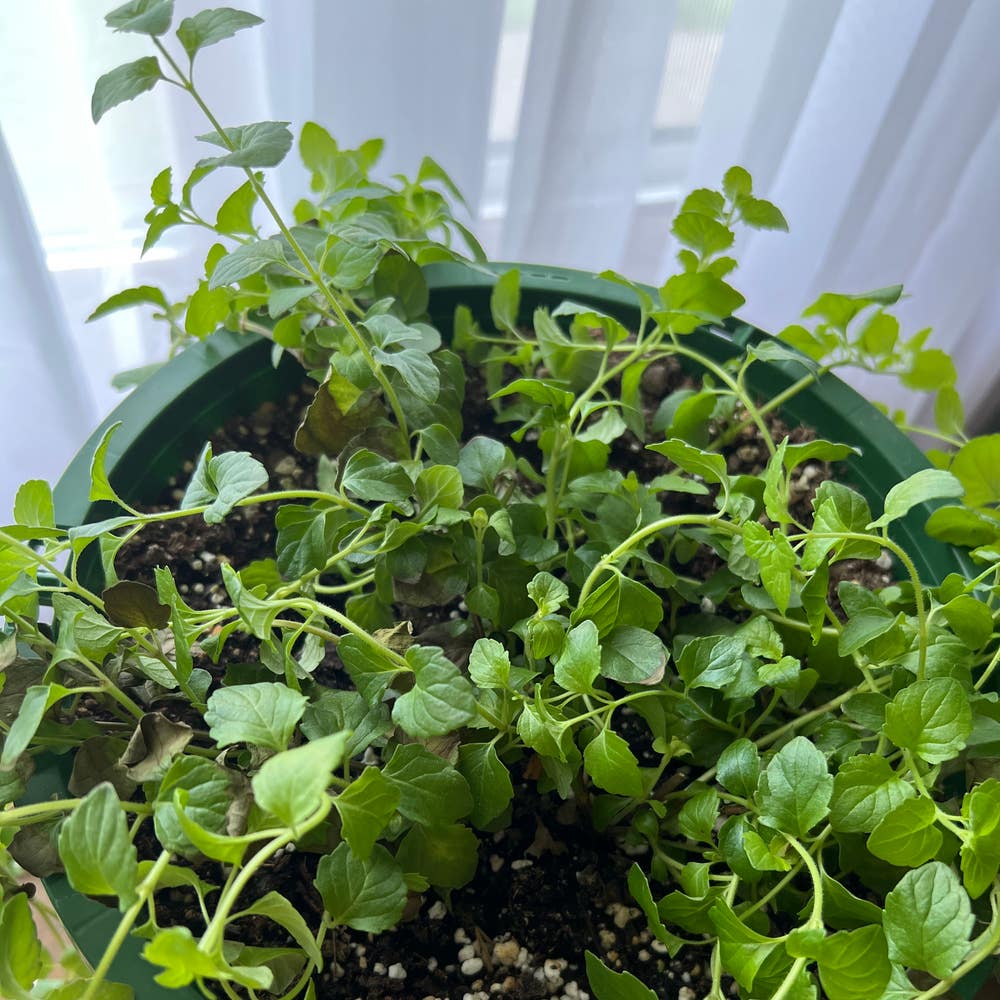
🌞 Growing Your Indian Borage Outdoors
Coleus amboinicus
By the Greg Editorial Team
Nov 26, 2024•6 min read
This article was created with the help of AI so we can cover more plants for you. May contain errors. See one? Report it here.
Cultivate vibrant Indian Borage 🌱 with essential sunlight and watering tips for a flavorful garden harvest! 🍽️
- ☀️ Indian Borage needs 6-8 hours of sunlight for optimal growth and flavor.
- 💧 Water every 1-2 weeks; keep soil moist but avoid waterlogging.
- 🌱 Well-draining soil is essential; enrich with compost for better growth.
Sunlight Needs
Ideal Sunlight Exposure 🌞
Indian Borage thrives best in full sun to partial shade, requiring about 6-8 hours of direct sunlight daily. This ample sunlight not only promotes healthy growth but also enhances the plant's flavor profile, making it a delightful addition to your garden.
Signs of Insufficient Light 🚨
If your Indian Borage is not getting enough light, you may notice leggy growth, characterized by stretched stems and sparse foliage. Additionally, leaf discoloration, such as yellowing or pale leaves, can indicate that the plant is experiencing stress due to inadequate sunlight.
Understanding these sunlight needs is crucial for ensuring your Indian Borage flourishes. With the right exposure, you’ll enjoy a robust plant that not only looks great but also adds flavor to your culinary creations.
Next, let's explore the watering requirements essential for keeping your Indian Borage healthy and vibrant.
Watering Requirements
🌧️ General Watering Guidelines
To keep your Indian Borage thriving, regular watering is essential. Aim to maintain consistently moist soil, but be cautious not to waterlog it.
Established plants show impressive drought tolerance, making them resilient during dry spells. However, they will need more frequent watering during their initial growth phase to establish strong roots.
📅 Watering Schedule
Water your Indian Borage every 1-2 weeks, adjusting the frequency based on rainfall and temperature.
The best time to water is early in the morning, which helps reduce evaporation and minimizes the risk of fungal diseases. This simple timing can make a significant difference in your plant's health.
With proper watering practices, your Indian Borage will flourish, setting the stage for the next crucial aspect: soil preferences and amendments.
Soil Preferences and Amendments
Ideal Soil Conditions 🌱
To thrive, Indian Borage requires well-draining soil. Opt for loamy or sandy soil that allows excess water to escape, preventing root rot.
Maintaining the right soil pH is crucial as well. Aim for a slightly acidic to neutral range, ideally between pH 6.0 to 7.0, to support optimal growth.
Soil Amendments 🧑🌾
Enhancing your soil with organic matter can significantly boost fertility and drainage. Incorporate compost or well-rotted manure to enrich the soil and provide essential nutrients.
Additionally, mulching is a smart strategy. Using organic mulch helps retain moisture and suppress weeds, creating a healthier environment for your plants.
With the right soil conditions and amendments, your Indian Borage will flourish. Next, let’s explore the best planting options for this versatile herb.
Planting Options
Container Planting 🌱
Container planting offers flexibility and control. You can easily move your Indian borage to capture optimal sunlight or shield it from harsh weather conditions.
However, this method comes with its challenges. Limited root space can restrict growth, and you'll need to water more frequently to keep the soil moist.
Ground Planting 🌍
Ground planting allows for a more extensive root system, which promotes robust growth and helps retain natural moisture. This option is ideal for those looking to cultivate a thriving garden.
On the downside, you have less control over soil conditions. Additionally, ground-planted borage may be more susceptible to pests and diseases, requiring vigilant monitoring.
In choosing between container and ground planting, consider your space, climate, and commitment to care. Each method has its unique advantages and challenges, so weigh them carefully to ensure your Indian borage flourishes.
Weather Protection and Seasonal Care
Strategies for Protecting from Extreme Weather 🌪️
Extreme weather can be tough on your Indian borage, but with the right strategies, you can keep your plants thriving. During intense heat, using shade cloth can shield your plants from scorching sun, helping to maintain their health and flavor.
When cold snaps hit, frost protection is crucial. Cover your plants with frost cloth or burlap to insulate them from frigid temperatures, ensuring they stay safe and sound.
Seasonal Care Adjustments 🍂
As the seasons change, so should your care routine for Indian borage. In spring, focus on pruning and fertilization to encourage robust growth and vibrant foliage.
Summer brings the need for increased watering and vigilant pest monitoring. Keep an eye out for any unwanted guests that might disrupt your plant's growth.
When fall arrives, it’s time to harvest those flavorful leaves. Mulching will help protect your plants during the winter months, ensuring they remain healthy and ready to thrive come spring.
By adapting your care to the seasons, you can enjoy a bountiful harvest and vibrant plants year-round. Next, let’s explore how to manage pests and diseases that may threaten your Indian borage.
Pest and Disease Management
Managing pests and diseases is crucial for the health of your Indian borage plants. By staying vigilant and informed, you can ensure a thriving garden.
🐜 Common Outdoor Pests
Aphids
Aphids are small, soft-bodied insects that can wreak havoc on your plants. Look for signs like sticky residue on leaves and curled foliage, which indicate an infestation.
To control aphids, consider using neem oil or insecticidal soap. These methods are effective and environmentally friendly, helping to keep your plants healthy.
Whiteflies
Whiteflies are another common pest that can affect Indian borage. You’ll notice tiny white insects on the undersides of leaves, which can lead to significant damage if left unchecked.
To manage whiteflies, use yellow sticky traps to catch them or introduce beneficial insects like ladybugs. These natural predators can help keep their populations in check.
🦠 Common Diseases and Treatments
Powdery Mildew
Powdery mildew is a fungal disease that manifests as white powdery spots on leaves. This can hinder photosynthesis and weaken your plants.
To treat powdery mildew, improve air circulation around your plants and apply fungicides if necessary. Keeping your plants spaced out can also help prevent this issue.
Root Rot
Root rot is a serious condition that causes wilting and yellowing leaves, even when you’re watering adequately. It often results from overwatering and poor drainage.
To prevent root rot, ensure your soil is well-draining and avoid overwatering. Regularly check the moisture level in the soil to maintain a healthy balance.
By being proactive about pest and disease management, you can enjoy a flourishing Indian borage garden. Next, let’s explore climate zone considerations to further enhance your gardening success.
Climate Zone Considerations
Best Climate Zones 🌍
Indian Borage thrives best in USDA zones 9-11, where temperatures are warm and conditions are ideal for growth. However, with the right care, it can also survive in slightly cooler zones, making it a versatile choice for many gardeners.
Adjusting Care Based on Climate Zone 🌡️
In hot climates, consistent watering is crucial to keep your plants healthy and thriving. Providing shade during the hottest parts of the day can also help prevent stress and promote robust growth.
For those in cooler climates, protective measures are essential during winter months. Covering your plants with frost cloth or burlap can safeguard them from harsh conditions, ensuring they remain healthy until spring.
Understanding your climate zone is key to successfully growing Indian Borage. By tailoring your care to your specific environment, you can enjoy a flourishing garden year-round.
Next, let’s explore effective pest and disease management strategies to keep your Indian Borage healthy and vibrant.
⚠️ Safety First
This content is for general information and may contain errors, omissions, or outdated details. It is not medical, veterinary advice, or an endorsement of therapeutic claims.
Always consult a qualified healthcare professional before using any plant as food, medicine, or supplement.
Never eat any plant (or feed one to pets) without confirming its identity with at least two trusted sources.
If you suspect poisoning, call Poison Control (800) 222-1222, the Pet Poison Helpline (800) 213-6680, or your local emergency service immediately.
Spotted an error? Please report it here.
Grow your Indian Borage to its fullest potential with Greg's custom watering plans 💧 and tailored sunlight reminders, ensuring a bountiful harvest and vibrant plants all year round!