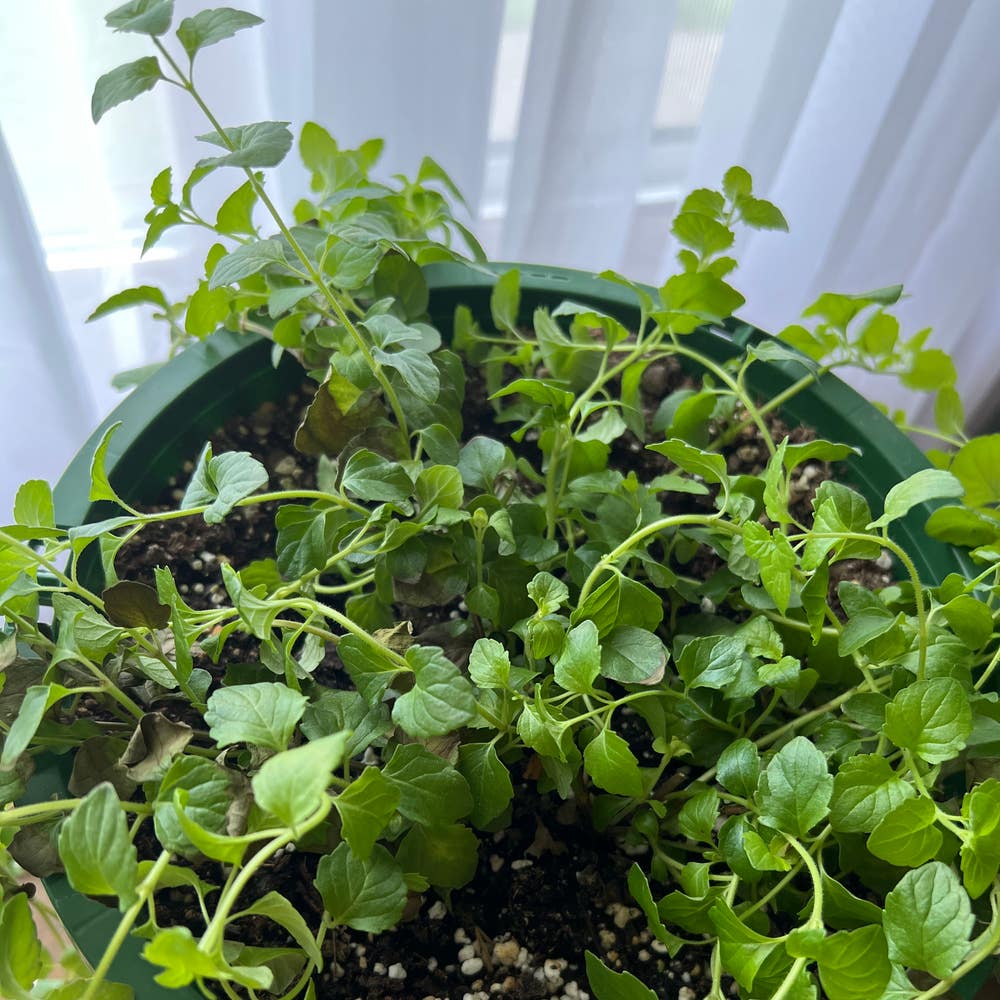
Ultimate Guide to Fixing Droopy Leaves on Indian Borage 😢
Coleus amboinicus
By the Greg Editorial Team
Nov 24, 2024•6 min read
This article was created with the help of AI so we can cover more plants for you. May contain errors. See one? Report it here.
Transform your droopy Indian Borage into a thriving beauty 🌱 with essential care tips for vibrant leaves!
- 💧 Overwatering causes droopy leaves; ensure proper drainage and let soil dry out.
- 🌱 Underwatering leads to crispy edges; maintain a consistent watering schedule.
- 🌡️ Environmental stress affects leaf health; keep Indian Borage in ideal temperature range.
Causes of Droopy Leaves
💧 Overwatering: Signs and Solutions
Overwatering is a common issue that can lead to droopy leaves on your Indian Borage. Look for symptoms like yellowing leaves, which indicate root stress, and wilting despite wet soil, a clear sign of root rot.
If you notice a foul odor from the soil, it suggests the presence of anaerobic bacteria. To remedy overwatering, start by assessing soil drainage; ensure your pots have drainage holes. Allow the soil to dry out by waiting until the top 1-2 inches are dry before watering again. If the problem persists, consider repotting your plant with fresh, well-draining soil.
💦 Underwatering: Identifying Symptoms and Remedies
Underwatering can also cause droopy leaves, and it's essential to recognize the signs. Crispy leaf edges indicate dehydration, while wilting leaves lose turgor pressure, making them droop.
If you see soil pulling away from the pot edges, it’s a sign of extreme dryness. To fix this, water your plant thoroughly, ensuring that water reaches the root zone. Establish a watering schedule to water when the top inch of soil is dry, and consider using moisture-retentive soil by adding organic matter to improve moisture retention.
🐛 Pests and Diseases: Common Issues Affecting Leaf Health
Pests and diseases can significantly impact the health of your Indian Borage. Common pests include aphids, which leave a sticky residue and cause curled leaves, and spider mites, identifiable by fine webbing and stippled leaves.
Diseases like root rot, often caused by overwatering and poor drainage, can also lead to droopy leaves. Fungal infections may present as dark spots and wilting. Control methods include organic solutions like neem oil and insecticidal soap, as well as chemical solutions for severe infestations.
🌡️ Environmental Stress: Temperature and Humidity Effects
Environmental stress, particularly temperature and humidity, can affect your plant's health. The ideal temperature range for Indian Borage is between 20°C to 30°C (68°F to 86°F). Symptoms of temperature stress include leaf droop and discoloration.
Humidity levels are also crucial; Indian Borage prefers moderate to high humidity (40-60%). Low humidity can lead to leaf curling and drooping. To manage environmental stress, adjust indoor temperatures by keeping your plant away from drafts and heat sources. Increase humidity using a humidifier or pebble trays filled with water.
Understanding these causes of droopy leaves is essential for maintaining the health of your Indian Borage. With proper care and attention, you can ensure your plant thrives and remains vibrant. Next, we’ll explore how to diagnose droopy leaves effectively.
Diagnosing Droopy Leaves
👀 Visual Inspection: What to Look For
To diagnose droopy leaves, start with a visual inspection. Look closely at the leaf color; healthy leaves should be a vibrant green, while yellowing or browning indicates stress.
Next, assess the leaf texture. Firm and plump leaves are a sign of good health, whereas limp and shriveled leaves suggest problems. Finally, observe the overall plant posture; an upright plant is thriving, while drooping leaves signal distress.
💧 Soil Testing: Checking Moisture Levels
Soil moisture is crucial in diagnosing droopy leaves. You can use two effective methods for testing moisture levels.
- Finger Test: Insert your finger into the soil up to the second knuckle. If it feels dry, it's time to water.
- Soil Moisture Meter: For more accuracy, use a moisture meter to gauge the soil's wetness.
The ideal moisture level is when the soil is moist but not soggy. This balance is key to keeping your Indian Borage healthy.
🌿 Leaf Texture and Color Changes: Indicators of Health
Leaf texture and color changes are vital indicators of plant health. Healthy leaves are firm and exhibit a vibrant green color.
In contrast, droopy leaves often show signs of stress, such as wilting, which indicates a loss of turgor pressure. Additionally, watch for color changes like yellowing or browning edges, which can signal underlying issues that need addressing.
By carefully inspecting your plant and testing the soil, you can identify the root cause of droopy leaves. This proactive approach sets the stage for effective treatment and revitalization of your Indian Borage. Next, let’s explore how to treat those droopy leaves effectively.
Treating Droopy Leaves
Step-by-Step Guide to Reviving Droopy Leaves 🌱
Reviving droopy leaves starts with identifying the cause. It could be due to overwatering, underwatering, pests, or environmental stress.
Once you pinpoint the issue, adjust your watering practices accordingly. After making changes, monitor your plant's response over the next few days to see if it improves.
Adjusting Watering Practices: Best Techniques 💧
Watering frequency is crucial for plant health. The general rule is to water when the top inch of soil feels dry.
Seasonal adjustments are also important. During summer, you may need to water more frequently, while in winter, reduce your watering schedule.
To ensure effective watering, focus on these techniques:
- Water deeply to reach the root zone.
- Avoid waterlogging by ensuring proper drainage.
Pest Control Methods: Organic and Chemical Solutions 🐛
If pests are the culprit, consider organic pest control methods first. Neem oil is a great option; just spray it on the affected areas.
Insecticidal soap is another effective solution, particularly for soft-bodied insects. If the infestation is severe, chemical solutions can be used as a last resort, but always follow label instructions carefully.
By following these steps, you can effectively treat droopy leaves and restore your Indian Borage to its vibrant self. Next, let’s explore how to prevent future issues to keep your plant thriving.
Preventing Future Issues
🌊 Best Practices for Watering
Establishing a consistent watering schedule is crucial for the health of your Indian Borage. Adapt your watering frequency based on environmental conditions, ensuring your plant receives the right amount of moisture without becoming waterlogged.
Using well-draining pots is another essential practice. Proper drainage prevents root rot, allowing your plant to thrive without the stress of excess water.
🌱 Ideal Soil Conditions for Healthy Growth
The right soil type can make all the difference. A well-draining potting mix enriched with organic matter provides the necessary nutrients while allowing excess water to escape.
Maintaining a pH level between 6.0 to 7.0 is also vital. This slightly acidic to neutral range supports optimal nutrient absorption, promoting robust growth.
☀️ Seasonal Care Tips: Adjusting for Weather Changes
As the seasons change, so should your care routine. In summer, increase watering frequency and keep an eye on humidity levels to prevent dehydration.
During winter, it's important to reduce watering and protect your plant from cold drafts. This adjustment helps your Indian Borage stay healthy and vibrant throughout the year.
By implementing these best practices, you can prevent future issues and ensure your Indian Borage flourishes. Next, let’s explore how to effectively treat droopy leaves when they occur.
⚠️ Safety First
This content is for general information and may contain errors, omissions, or outdated details. It is not medical, veterinary advice, or an endorsement of therapeutic claims.
Always consult a qualified healthcare professional before using any plant as food, medicine, or supplement.
Never eat any plant (or feed one to pets) without confirming its identity with at least two trusted sources.
If you suspect poisoning, call Poison Control (800) 222-1222, the Pet Poison Helpline (800) 213-6680, or your local emergency service immediately.
Spotted an error? Please report it here.
Keep your Indian Borage thriving 🌱 by using Greg's personalized care reminders and soil moisture testing features to ensure it stays healthy and happy all year round!