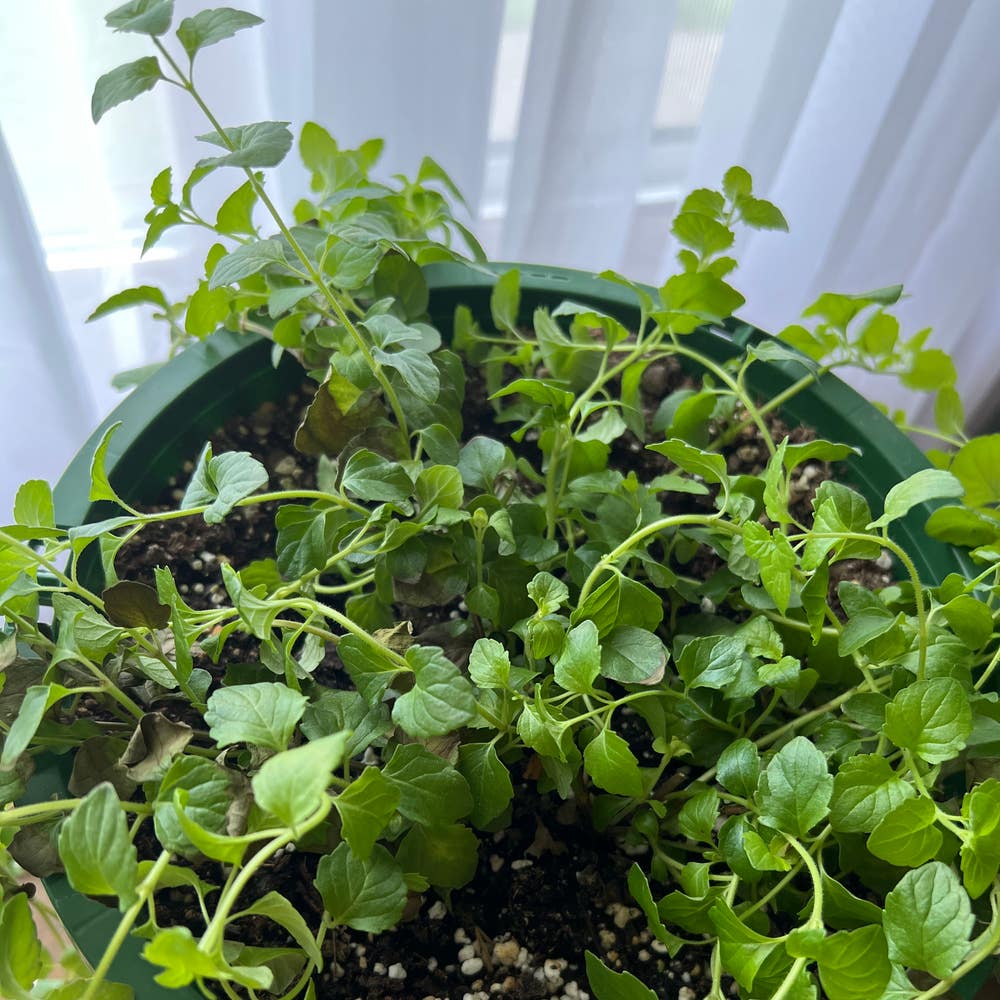
🪴 Indian Borage Roots 101
Coleus amboinicus
By the Greg Editorial Team
Nov 24, 2024•7 min read
This article was created with the help of AI so we can cover more plants for you. May contain errors. See one? Report it here.
Discover how mastering Indian Borage's root system can transform your gardening success! 🌱💧
- 🌱 Indian Borage has a fibrous root system that boosts nutrient uptake and moisture retention.
- 🌿 Healthy roots are firm and white, indicating good nutrient absorption and plant vitality.
- 💧 Regular watering and proper fertilization are key for thriving Indian Borage roots.
Root System Characteristics
🌱 Type and Characteristics
Indian Borage features a fibrous root system, which is essential for its growth and health. This type of root system consists of numerous thin roots that spread out horizontally, allowing the plant to effectively absorb nutrients and moisture from the soil.
The benefits of fibrous roots are significant. They enhance nutrient uptake by increasing the surface area for absorption, which is crucial for the plant's overall vitality. Additionally, fibrous roots excel at moisture retention, helping the plant thrive even in less-than-ideal conditions.
💧 Benefits of Fibrous Roots in Nutrient Uptake and Moisture Retention
Fibrous roots play a vital role in the plant's ability to access essential nutrients. Their extensive network allows Indian Borage to efficiently gather nutrients from the soil, ensuring robust growth and health.
Moreover, these roots are adept at retaining moisture. This characteristic is particularly beneficial during dry spells, as it helps the plant maintain hydration and resilience. Understanding the importance of the fibrous root system can lead to better care practices for your Indian Borage.
As we delve deeper into the root system, it's essential to explore how these characteristics influence watering, fertilizing, and transplanting practices.
Root Depth, Spread, and Growth Patterns
🌱 Typical Root Depth and Spread
Indian Borage boasts a robust root system, typically reaching a depth of 12 to 18 inches under optimal conditions. Its roots can spread impressively, extending up to 2 to 3 feet wide, allowing the plant to access nutrients and moisture efficiently.
This adaptability enables Indian Borage to thrive in various soil types and conditions. Whether in sandy, loamy, or clay soils, its fibrous roots ensure the plant remains resilient and healthy.
🍃 Growth Patterns and Seasonal Changes
The growth patterns of Indian Borage are closely tied to the seasons. During spring and summer, the plant experiences active growth, with roots expanding to support its lush foliage.
As temperatures rise and moisture levels fluctuate, the roots adapt accordingly. This dynamic growth allows Indian Borage to effectively respond to environmental changes, ensuring its vitality throughout the growing season.
Understanding these growth patterns is crucial for optimal care, as it helps in anticipating the plant's needs during different times of the year. With the right attention, you can foster a thriving Indian Borage that flourishes in your garden.
Next, we’ll explore how the root system influences watering needs and fertilization techniques to keep your plant healthy and vibrant.
Watering, Fertilizing, and Transplanting
🌱 How Root System Affects Watering Needs
The root system of Indian Borage plays a crucial role in determining its watering needs. With a fibrous root system that typically extends 12-18 inches deep and can spread 2-3 feet wide, it efficiently absorbs moisture from the soil.
To ensure optimal growth, water your Indian Borage regularly, allowing the top inch of soil to dry out between waterings. Watch for signs of overwatering, such as yellowing leaves or root rot, and underwatering, indicated by wilting or crispy leaf edges.
🌿 Fertilization Techniques Tailored to Root Health
Fertilizing your Indian Borage is essential for maintaining a healthy root system. Use a balanced fertilizer, such as a 10-10-10 NPK mix, and apply it during the growing season to support robust root development.
Timing is key; fertilize in early spring and again in mid-summer to maximize nutrient uptake. This approach ensures your plant has the necessary nutrients to thrive, especially during its active growth phases.
🌍 Best Practices for Transplanting Indian Borage
Transplanting Indian Borage can rejuvenate its growth and health. The ideal time for this process is early spring or fall, when the plant is less stressed and can adapt more easily to its new environment.
Follow these steps for a successful transplant:
- Prepare the new planting site by loosening the soil and adding compost.
- Gently remove the plant from its current pot, taking care not to damage the roots.
- Inspect and prune any damaged roots to promote healthy growth.
- Place the plant in the new location and backfill with soil, ensuring it is stable.
- Water thoroughly after transplanting to help settle the soil and reduce transplant shock.
By following these guidelines, you can ensure your Indian Borage remains healthy and vibrant, ready to flourish in its new home. Next, we’ll explore indicators of root health to help you monitor your plant’s well-being.
Indicators of Root Health
🌱 Visual Cues for Healthy Roots
Healthy roots are the backbone of a thriving Indian Borage plant. Look for roots that are firm, white, and free from any unpleasant odors.
These characteristics indicate that the roots are actively absorbing nutrients and moisture, which is crucial for the overall vitality of the plant. A robust root system supports lush foliage and vibrant growth.
🚨 Signs of Unhealthy Roots and Corrective Measures
Unhealthy roots can spell trouble for your plant. Indicators include dark, mushy roots or those that emit a foul smell, signaling potential rot or disease.
If you notice these signs, take immediate action. Start by pruning away any damaged roots to prevent further decay.
Next, reassess your watering and fertilization practices. Adjusting these can help restore balance and promote healthier root growth.
By keeping a close eye on root health, you can ensure your Indian Borage remains vibrant and flourishing.
As we move forward, let's explore how to recognize and manage rootbound plants, which can also impact root health significantly.
Recognizing and Managing Rootbound Plants
Definition and Implications 🌱
A plant is considered rootbound when its roots have filled the pot and begin to circle around the edges, often leading to a cramped environment. This condition can severely impact plant health, stunting growth and reducing the plant's ability to absorb nutrients and water effectively.
Signs of Rootbound Plants and When to Act 👀
Look for visual indicators of rootbound conditions, such as roots growing out of the drainage holes or a noticeable decline in growth. If you notice these signs, it's time to consider repotting or dividing the plant to give it more space to thrive.
Solutions for Rootbound Issues 🛠️
To alleviate rootbound conditions, there are a couple of effective techniques you can employ.
- Repotting into a Larger Container: This allows the roots to spread out and access more nutrients and moisture.
- Pruning Roots: Carefully trimming back the roots can encourage new growth and help the plant adapt to its new environment.
By addressing rootbound issues promptly, you can ensure your Indian Borage remains healthy and vibrant. This proactive approach not only enhances growth but also contributes to the overall vitality of your plant.
As you manage rootbound conditions, keep an eye on your plant's progress, and be ready to implement further care strategies as needed.
Propagation and Division
🌱 Importance of Root Health in Propagation
Healthy roots are the backbone of successful propagation. They provide the necessary nutrients and stability for new plants, ensuring they thrive in their new environments.
To maintain root vitality during propagation, it's crucial to handle the roots gently. Avoid excessive disturbance, as this can lead to stress and hinder growth.
✂️ Techniques for Dividing and Propagating
Dividing established plants is a straightforward process that can rejuvenate your Indian Borage. Follow these steps for effective division:
- Choose a healthy parent plant: Look for a robust plant with a well-developed root system.
- Carefully remove the plant from its pot: Gently loosen the soil around the roots to avoid damage.
- Divide the root ball into sections: Ensure each section has both roots and leaves for optimal growth.
- Replant sections in suitable soil: Use fresh, well-draining soil to encourage healthy root development.
- Water thoroughly after replanting: This helps settle the soil and provides moisture for the new plants.
🌿 Tips for Successful Propagation from Cuttings
Propagation from cuttings is another effective method. Here are some tips to enhance your success rate:
- Select healthy stems: Choose stems that are firm and free from disease.
- Use clean tools: Sterilize your cutting tools to prevent infection.
- Provide humidity: Cover cuttings with a plastic bag or place them in a humid environment to retain moisture.
- Be patient: Rooting can take time, so monitor your cuttings and keep the soil moist but not soggy.
Understanding these propagation techniques will empower you to expand your Indian Borage collection effectively. With healthy roots and proper care, your plants will flourish and bring vibrant life to your garden.
Next, we will explore indicators of root health, ensuring your plants remain robust and thriving.
⚠️ Safety First
This content is for general information and may contain errors, omissions, or outdated details. It is not medical, veterinary advice, or an endorsement of therapeutic claims.
Always consult a qualified healthcare professional before using any plant as food, medicine, or supplement.
Never eat any plant (or feed one to pets) without confirming its identity with at least two trusted sources.
If you suspect poisoning, call Poison Control (800) 222-1222, the Pet Poison Helpline (800) 213-6680, or your local emergency service immediately.
Spotted an error? Please report it here.
Unlock the full potential of your Indian Borage 🌱 by using Greg's tailored watering reminders and expert care tips to keep those roots healthy and thriving!