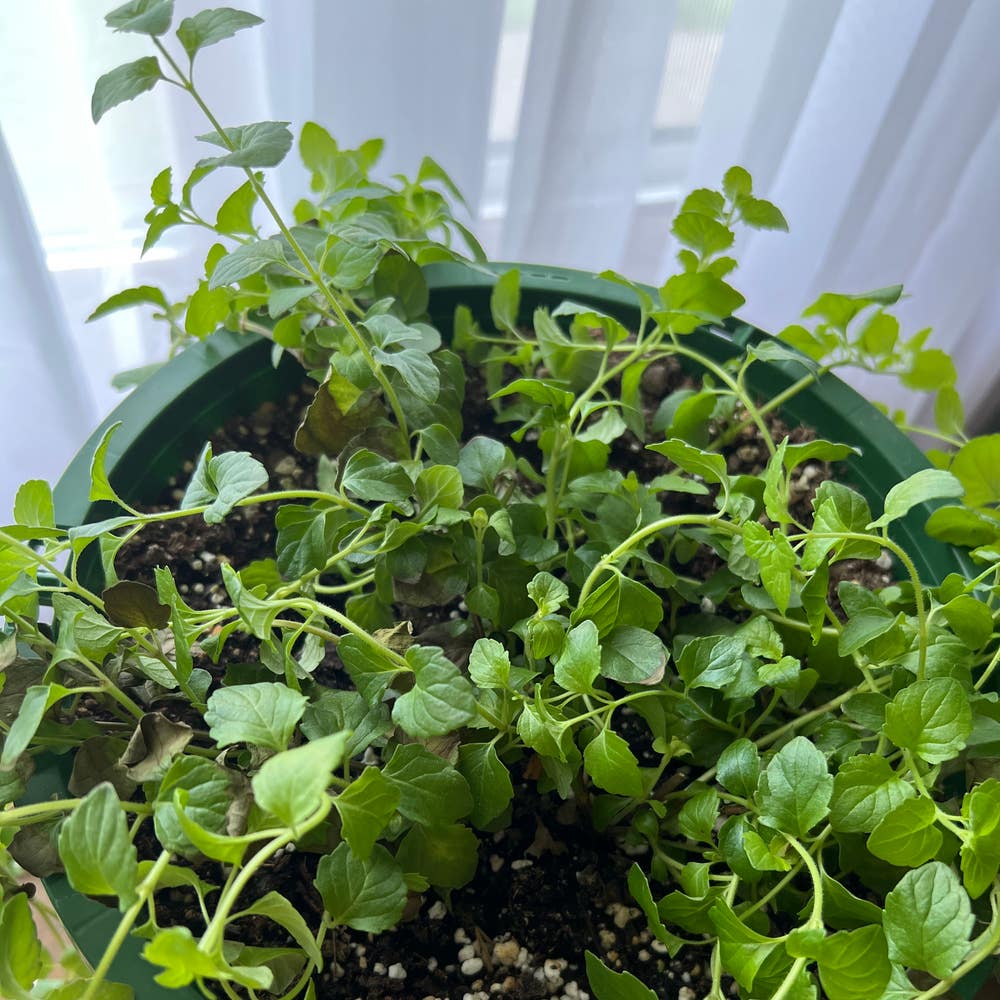
Indian Borage Varieties that Belong in Your Garden
Coleus amboinicus
By the Greg Editorial Team
Nov 26, 2024•6 min read
This article was created with the help of AI so we can cover more plants for you. May contain errors. See one? Report it here.
Transform your garden with vibrant Indian Borage cultivars 🌱 that offer unique flavors and stunning colors! 🌈
- 🌱 Popular Indian Borage varieties like 'Variegata' and 'Cuban Oregano' enhance gardens.
- 🌿 Unique characteristics of each cultivar cater to diverse culinary and aesthetic needs.
- 🌞 Resilient against pests, Indian Borage thrives with proper care and sunlight.
Popular Cultivars
🌟 Notable Cultivars
Indian Borage, also known as Plectranthus amboinicus, boasts several popular cultivars that gardeners adore. Among these, 'Variegata' stands out with its striking green and cream leaves, adding a vibrant touch to any garden.
Another favorite is 'Cuban Oregano,' known for its robust flavor and aroma. This cultivar not only enhances culinary dishes but also thrives in various garden settings, making it a versatile choice.
🎨 Unique Characteristics
Each Indian Borage cultivar has its own unique traits that make it special. For instance, 'Variegata' offers a visually appealing foliage pattern, while 'Cuban Oregano' is celebrated for its intense, aromatic leaves.
When it comes to aroma and flavor, 'Cuban Oregano' delivers a bold taste, perfect for seasoning. In contrast, 'Variegata' has a milder flavor, making it suitable for those who prefer subtlety in their dishes.
Resilience is another key factor among these cultivars. Many Indian Borage varieties exhibit strong resistance to common pests and diseases, ensuring a healthy garden with minimal intervention. This makes them ideal for both novice and experienced gardeners alike.
As you explore these popular cultivars, consider how their unique characteristics can enhance your garden. Next, we’ll delve into the color variations of Indian Borage and how they contribute to garden aesthetics.
Color Variations
Common Color Variations 🌈
Indian Borage typically showcases lush green leaves, but there are exciting variations worth noting. Some cultivars feature striking variegated forms, where green leaves are splashed with creamy white or yellow, adding a vibrant touch to any garden.
These variegated varieties not only enhance visual appeal but also create a dynamic contrast against other plants. Their unique patterns can serve as focal points, drawing the eye and elevating the overall aesthetic of your garden space.
Impact of Color on Plant Health 🌿
Color variations in Indian Borage can significantly influence plant health and growth. Generally, darker green leaves indicate robust health and optimal nutrient uptake, while lighter or variegated leaves may suggest a need for more sunlight or specific care.
Moreover, these color differences can affect resilience to environmental stressors. Variegated forms might be more susceptible to sunburn, requiring careful placement in the garden to ensure they thrive without excessive exposure.
Understanding these nuances can help you make informed decisions about plant placement and care, ensuring your Indian Borage flourishes beautifully.
As you explore the fascinating world of Indian Borage, consider how size differences among cultivars can further enhance your garden design.
Size Differences
Growth Habits and Size 🌱
Indian Borage, or Plectranthus amboinicus, showcases a variety of growth habits and sizes across its cultivars. Some popular varieties can reach heights of 12 to 24 inches, while others may spread up to 36 inches wide.
The compact cultivars are perfect for smaller gardens, while the larger ones can serve as stunning focal points. Understanding these size differences is essential for selecting the right cultivar for your space.
Implications of Size on Garden Design 🎨
The size of Indian Borage cultivars can significantly influence your garden design. Taller varieties can create vertical interest, making them ideal for back borders or as standalone features.
In contrast, smaller cultivars work well in front of larger plants or in container gardens. Additionally, considering companion planting is crucial; pairing different sizes can enhance growth and aesthetics while maximizing your garden's potential.
With the right size selection, your garden can flourish beautifully, showcasing the unique charm of Indian Borage.
Special Care Requirements
Care Needs for Popular Cultivars 🌱
Caring for Indian Borage cultivars requires attention to specific needs. These plants thrive in well-draining soil, ideally enriched with organic matter.
Watering is crucial; they prefer moderate moisture but can tolerate short dry spells. Aim to keep the soil consistently moist, especially during hot weather.
Sunlight is another vital factor. Most cultivars flourish in full sun, needing at least six hours of direct sunlight daily. However, some can adapt to partial shade, making them versatile for various garden spots.
When it comes to fertilization, a balanced, all-purpose fertilizer works wonders. Apply it during the growing season to promote lush growth. Pruning is also beneficial; regular trimming encourages bushier plants and enhances air circulation.
Pest and Disease Resistance 🦠
Indian Borage is generally resilient, but some cultivars stand out for their pest and disease resistance. For instance, the 'Variegated' cultivar is known for its robust nature against common pests like aphids and spider mites.
Additionally, many cultivars exhibit resistance to fungal diseases, making them a smart choice for gardeners concerned about plant health. Regular monitoring and proper care can further enhance their natural defenses.
Understanding these care requirements and resistance traits will help you cultivate a thriving Indian Borage garden. With the right attention, these plants can flourish, adding beauty and utility to your outdoor space.
Next, we’ll explore the fascinating color variations of Indian Borage and how they can enhance your garden's aesthetic appeal.
Rare and Hybrid Varieties
🌱 Introduction to Rare Varieties
Rare Indian Borage varieties are treasures in the gardening world. These unique cultivars often boast distinctive leaf shapes, colors, and growth habits that set them apart from more common types.
Preserving these rare cultivars is crucial for biodiversity. They not only enrich our gardens but also contribute to the genetic diversity of the species, ensuring resilience against pests and diseases.
🌿 Notable Hybrid Varieties
Hybrid varieties of Indian Borage combine the best traits of their parent plants. They often exhibit enhanced growth rates, improved flavor profiles, and greater resistance to environmental stressors.
When comparing hybrids to traditional cultivars, hybrids typically offer more uniformity in growth and yield. This can be particularly beneficial for gardeners looking for consistency in their harvest.
⚖️ Comparison of Rare and Common Cultivars
Rare cultivars often require more specialized care than their common counterparts. While common varieties are generally hardy and adaptable, rare types may need specific soil conditions and watering routines to thrive.
In terms of uses, common cultivars are typically favored for culinary purposes, while rare varieties might be sought after for their ornamental value or unique flavors. Understanding these differences can help gardeners make informed choices about which varieties to cultivate.
As you explore the world of Indian Borage, consider integrating both rare and hybrid varieties into your garden. This approach not only enhances your garden's diversity but also supports the preservation of unique plant traits.
⚠️ Safety First
This content is for general information and may contain errors, omissions, or outdated details. It is not medical, veterinary advice, or an endorsement of therapeutic claims.
Always consult a qualified healthcare professional before using any plant as food, medicine, or supplement.
Never eat any plant (or feed one to pets) without confirming its identity with at least two trusted sources.
If you suspect poisoning, call Poison Control (800) 222-1222, the Pet Poison Helpline (800) 213-6680, or your local emergency service immediately.
Spotted an error? Please report it here.
Discover the vibrant flavors and colors of Indian Borage 🌱 while letting Greg provide tailored care tips to help your garden flourish with these resilient beauties!