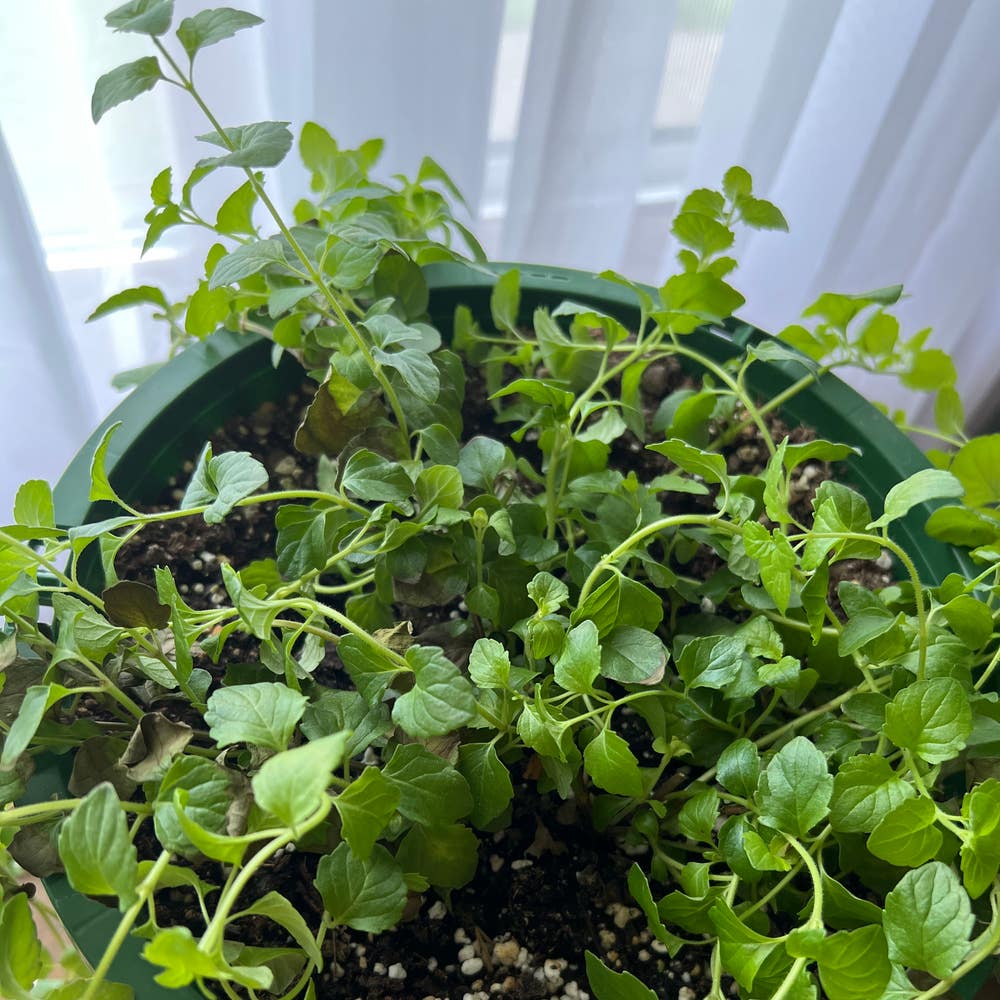
Ultimate Guide to Watering Your Indian Borage 💧
Coleus amboinicus
By the Greg Editorial Team
Nov 26, 2024•5 min read
This article was created with the help of AI so we can cover more plants for you. May contain errors. See one? Report it here.
Keep your Indian Borage thriving 🌱 year-round with these essential watering tips and techniques!
- 💧 Water every 1-2 weeks in growing season; adjust for fall and winter.
- 🌞 Light and temperature affect watering frequency; monitor conditions closely.
- 📏 Check soil moisture weekly; use finger test or moisture meters for accuracy.
How Often to Water
General Watering Frequency 🌧️
Water your Indian Borage every 1-2 weeks during the growing season, which spans spring and summer. As the plant enters dormancy in fall and winter, reduce the frequency to every 2-4 weeks.
Factors Affecting Watering Frequency 💧
Light Conditions ☀️
The amount of light your plant receives significantly impacts its watering needs. In bright, indirect light, you'll need to water more frequently, while low light conditions require less frequent watering.
Temperature and Humidity 🌡️
Temperature also plays a crucial role in watering frequency. When temperatures rise above 25°C (77°F), increase your watering schedule. Conversely, if humidity is high, you can decrease how often you water.
Seasonal Adjustments 🍂
During spring and summer, keep a close eye on soil moisture and check weekly. In fall and winter, check the soil bi-weekly and adjust your watering accordingly to avoid over-saturation.
Understanding these factors will help you maintain a healthy watering routine for your Indian Borage, ensuring it thrives throughout the year. Next, let’s explore how to recognize watering issues that could affect your plant's health.
Watering Techniques
🌊 Bottom-Watering Method
Bottom-watering is a simple and effective technique for keeping your Indian Borage hydrated.
- Start by filling a shallow tray with water.
- Place the pot in the tray, allowing the soil to absorb water from the bottom.
- After about 30 minutes to 1 hour, remove the pot once the top soil feels moist.
This method encourages deep root growth and helps prevent surface evaporation, making it a great option for your plants.
💧 Using Self-Watering Pots
Self-watering pots are a fantastic innovation for busy gardeners.
These pots come with a reservoir that allows plants to draw water as needed, ensuring consistent moisture levels.
However, be cautious not to overfill the reservoir, as this can lead to root rot.
⚖️ Advantages and Disadvantages of Different Watering Techniques
Understanding the pros and cons of various watering methods can help you choose the best one for your Indian Borage.
Bottom-Watering
- Advantages:
- Promotes deep root growth.
- Reduces surface evaporation.
- Disadvantages:
- May not be suitable for all pot types.
Self-Watering Pots
- Advantages:
- Convenient for busy schedules.
- Ideal for maintaining consistent moisture.
- Disadvantages:
- Higher initial cost.
- Requires monitoring of water levels.
Choosing the right watering technique can significantly impact the health of your Indian Borage. By understanding these methods, you can ensure your plant thrives beautifully.
Next, let’s explore how to measure soil moisture effectively to optimize your watering routine.
Measuring Soil Moisture
🌱 How to Measure Soil Moisture
Before watering your Indian Borage, it's essential to check the soil moisture. You can do this by inserting your finger or a moisture meter into the soil.
The ideal moisture level is when the soil feels dry to the touch about 1-2 inches down. If it’s still moist, hold off on watering for a few days.
🛠️ Tools for Measuring Soil Moisture
Moisture Meters
Moisture meters are handy electronic devices that provide accurate moisture readings. Simply insert the meter into the soil and read the moisture level displayed.
These tools take the guesswork out of watering, ensuring your plant gets just the right amount of moisture.
Finger Test
The finger test is a simple and effective method. Insert your finger into the soil up to the second knuckle.
If the soil feels dry, it’s time to water. If it still feels moist, wait a few days before checking again.
📊 Interpreting Moisture Readings for Optimal Watering
Understanding moisture meter readings can help you maintain the health of your Indian Borage. Here’s a quick guide:
- 1-3: Dry (water needed).
- 4-6: Moist (water in a few days).
- 7-10: Wet (do not water).
By regularly checking soil moisture, you can avoid common watering issues and keep your plant thriving.
Next, let’s explore effective watering reminders and scheduling to ensure your Indian Borage gets the care it needs.
Watering Reminders and Scheduling
📱 Using the Greg Plant Care App for Reminders
The Greg Plant Care App is a fantastic tool for keeping your Indian Borage healthy. You can set reminders tailored to your plant's specific needs and growth patterns, ensuring you never miss a watering.
Customizing these reminders is easy. Adjust them for seasonal changes or your personal schedule, so your plant gets the attention it deserves.
📅 Setting Up a Watering Schedule Based on Plant Needs
Creating a watering schedule is essential for maintaining optimal moisture levels. Start by marking watering days on a calendar based on your moisture checks.
As you observe your plant's responses, be ready to adjust the frequency. This flexibility will help you cater to your Indian Borage's unique needs.
🌦️ Adjusting Reminders Based on Seasonal Changes
Seasonal changes significantly impact your watering routine. During spring and summer, as growth accelerates, increase your reminders to keep up with your plant's thirst.
Conversely, in fall and winter, decrease your reminders as the plant enters dormancy. This adjustment helps prevent over-watering during its rest period.
By using these strategies, you'll ensure your Indian Borage thrives throughout the year. Next, let’s explore how to measure soil moisture effectively to further refine your watering practices.
⚠️ Safety First
This content is for general information and may contain errors, omissions, or outdated details. It is not medical, veterinary advice, or an endorsement of therapeutic claims.
Always consult a qualified healthcare professional before using any plant as food, medicine, or supplement.
Never eat any plant (or feed one to pets) without confirming its identity with at least two trusted sources.
If you suspect poisoning, call Poison Control (800) 222-1222, the Pet Poison Helpline (800) 213-6680, or your local emergency service immediately.
Spotted an error? Please report it here.
Keep your Indian Borage thriving 🌱 by using Greg's tailored watering reminders and moisture checks to take the guesswork out of plant care!