Ultimate Guide to What's Eating Your Indian Borage 🐛
Coleus amboinicus
By the Greg Editorial Team
Nov 25, 2024•7 min read
This article was created with the help of AI so we can cover more plants for you. May contain errors. See one? Report it here.
Safeguard your Indian Borage from pests while inviting beneficial wildlife for a flourishing garden! 🌿
- 🌱 Indian Borage attracts herbivores like deer and rabbits; protect it with barriers.
- 🐦 Birds help pollinate but can damage plants; use netting for protection.
- 🐾 Monitor for pests and signs of damage to maintain a healthy garden ecosystem.
Appearance and Appeal
Description 🌿
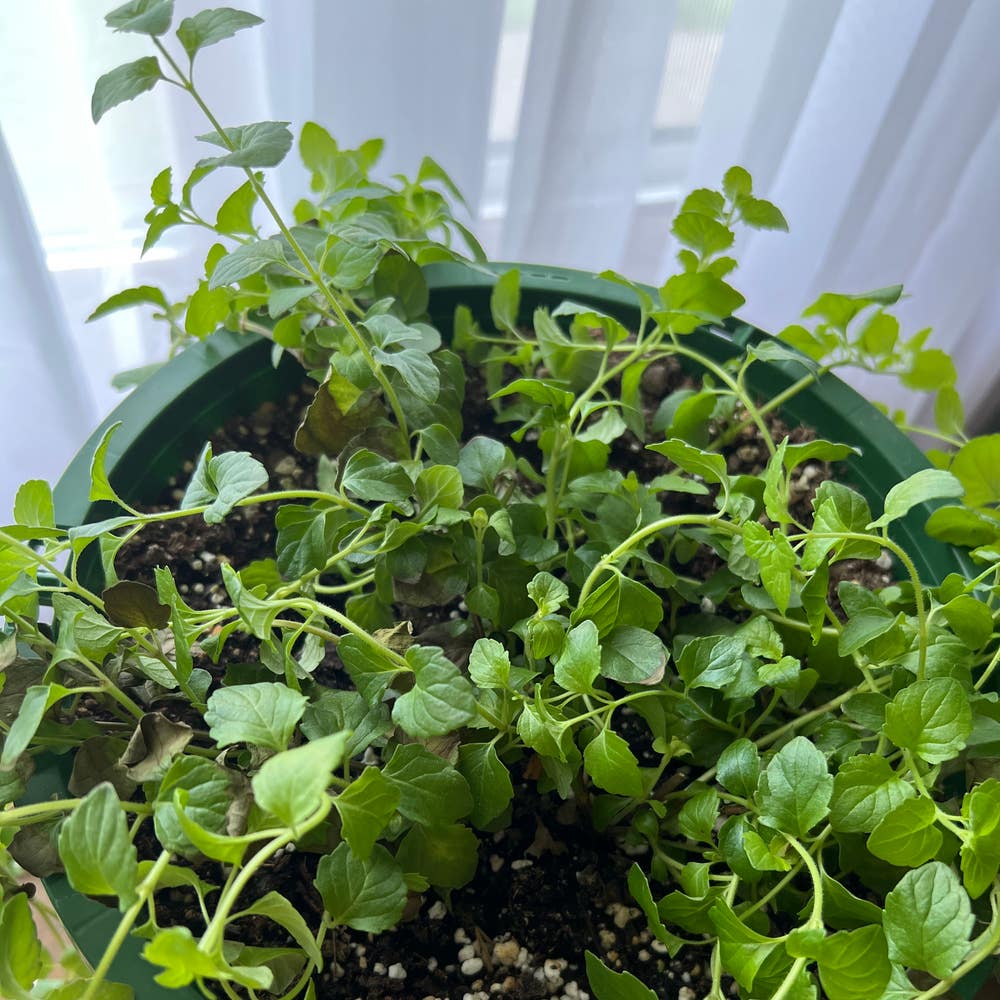
Indian Borage is a succulent herb known for its thick, fleshy leaves that are both resilient and visually appealing. Its strong aromatic scent not only captivates gardeners but also attracts a variety of animals, making it a lively addition to any garden.
Growth Habit 📈
This herb exhibits an upright growth habit, often showcasing flowering spikes that add vertical interest. The combination of its robust structure and fragrant foliage creates a striking presence in any landscape.
Most Appealing Parts 🍃
The tender young shoots of Indian Borage are soft and packed with nutrition, making them a delightful treat for herbivores.
Fragrant Leaves 🌸
The leaves emit a fragrant aroma that draws in various animals, enhancing the garden's ecosystem.
Flowers 🌼
During the growing season, small, tubular flowers bloom, adding a splash of color and attracting pollinators. These elements together make Indian Borage not just a plant, but a vibrant contributor to the garden's life.
As we explore the common herbivores that may be drawn to this appealing plant, understanding its allure can help us better protect it.
Common Herbivores
🦌 Deer
Signs of Presence and Damage
Deer can be a significant threat to your Indian Borage. Look for hoof prints in the garden and notice if leaves have been stripped from the plant.
Interaction Type
These animals are generally harmful, as they can decimate plant populations quickly.
Deterrent Methods
To protect your plants, consider using commercial deer repellents. Alternatively, you can install 8-foot tall barriers or plant deer-resistant plants nearby.
🐇 Rabbits
Signs of Presence and Damage
Rabbits leave behind small, round droppings near your plants. You may also find clean cuts on the edges of chewed stems and leaves.
Interaction Type
Like deer, rabbits are generally harmful and can significantly reduce plant health.
Deterrent Methods
For an easy solution, try bitter-tasting sprays. You can also use fencing that is 2-3 feet high or sprinkle cayenne pepper around the plants.
🐿️ Squirrels
Signs of Presence and Damage
Squirrels can be sneaky pests. Look for scratching marks on the soil or plant stems, and check for missing leaves or flowers as evidence of their foraging.
Interaction Type
These critters are generally harmful and can cause significant damage to your plants.
Deterrent Methods
Consider using commercial squirrel repellents to keep them at bay. Scare tactics, like reflective tape or noise makers, can also be effective.
🐦 Birds
Signs of Presence and Damage
Birds can be a mixed bag. You might notice pecked leaves with holes or missing sections, along with nearby nests indicating their attraction to your plants.
Interaction Type
While some birds help pollinate, others can damage your plants, making their impact mixed.
Deterrent Methods
Non-toxic bird repellents can deter unwanted visitors. Additionally, netting over plants or placing reflective objects nearby can help keep them away.
🐭 Rodents
Signs of Presence and Damage
Rodents can wreak havoc on your garden. Look for tunnels or burrows in the soil and gnawed stems with clean cuts at the base of your plants.
Interaction Type
These pests are generally harmful and can lead to severe plant damage.
Deterrent Methods
For a more challenging situation, consider using rodent bait stations. You can also set traps or plant deterrent herbs like mint to keep them at bay.
🦡 Groundhogs
Signs of Presence and Damage
Groundhogs are notorious for their destructive habits. Look for large burrows near the base of your plants and chewed foliage, especially on lower leaves.
Interaction Type
These animals are generally harmful and can destroy entire plants if left unchecked.
Deterrent Methods
Commercial repellents can help deter groundhogs. You might also consider fencing that is 3-4 feet high or using motion-activated sprinklers to keep them away.
Understanding these common herbivores and their signs of damage is crucial for protecting your Indian Borage. With the right deterrent methods, you can create a thriving garden that remains safe from these hungry visitors.
Beneficial Animals
Positive Impacts 🐝
Indian Borage attracts a variety of beneficial animals that play crucial roles in the garden ecosystem. Pollinators like bees and butterflies flock to its fragrant flowers, ensuring vibrant blooms and healthy growth.
In addition to pollinators, predatory insects such as ladybugs and lacewings help keep pest populations in check. These natural allies are essential for maintaining a balanced garden environment.
Ecosystem Benefits 🌍
The presence of these beneficial animals leads to enhanced pollination, which is vital for fruit and seed production. A thriving pollinator population can significantly increase the yield of your plants.
Moreover, relying on natural pest control reduces the need for chemical interventions. This not only promotes a healthier garden but also contributes to a more sustainable ecosystem overall.
Incorporating beneficial animals into your gardening strategy can create a thriving environment for your Indian Borage. By fostering these relationships, you can enjoy a flourishing garden while minimizing damage from harmful herbivores.
As we explore further, let’s look at effective protection strategies to ensure your plants remain healthy and vibrant.
Protection Strategies
🛡️ Preventive Measures
To protect your Indian Borage from herbivores, start with strategic plant placement. Position your borage away from known pathways of hungry animals to minimize encounters.
Companion planting is another effective strategy. Pairing Indian Borage with plants that deter herbivores can create a natural barrier, keeping your prized herb safe.
⚠️ Reactive Solutions
Regular monitoring is essential for early detection of herbivore activity. Check your plants frequently for signs of nibbling or damage.
When you spot any signs, act immediately. Implement deterrents right away to prevent further damage and keep your plants thriving.
🌱 Balanced Ecosystem
Creating a balanced ecosystem is key to long-term protection. Encourage beneficial insects that can help manage harmful herbivores without the need for harsh chemicals.
Additionally, consider creating habitats for beneficial wildlife. This not only supports pollinators but also fosters a healthy garden environment where all creatures can coexist.
By employing these protection strategies, you can enjoy a flourishing Indian Borage while minimizing the impact of herbivores. Next, let's explore the seasonal considerations that affect your plant's vulnerability and attraction to various animals.
Seasonal Considerations
🌱 Variations in Attraction
The attraction of Indian Borage to herbivores fluctuates throughout the seasons. During the flowering phase, the plant becomes particularly appealing, drawing in a variety of hungry visitors.
Seasonal growth patterns also play a significant role in the plant's vulnerability. As the year progresses, certain times make Indian Borage more susceptible to herbivore activity.
⏰ Timing of Vulnerability
In early spring, the young shoots of Indian Borage are at their most tender and nutritious. This makes them a prime target for herbivores eager for a fresh meal.
By late summer, the flowering spikes emerge, further attracting both pollinators and herbivores alike. This dual appeal can lead to increased competition for the plant's resources, highlighting the importance of monitoring its health during these critical periods.
Understanding these seasonal dynamics is essential for effective protection strategies. By being aware of when your Indian Borage is most vulnerable, you can take proactive measures to safeguard it from potential threats.
Toxic Effects
🐾 Discussion of Toxicity
While Indian Borage is a beloved herb, it does come with a caveat: mild toxicity for pets, particularly cats and dogs. If consumed in large quantities, it can lead to some unpleasant symptoms.
⚠️ Symptoms to Watch For
Pet owners should be vigilant for signs of gastrointestinal upset, which may include vomiting or diarrhea. Lethargy can also occur in sensitive animals, indicating that they may have ingested too much of this succulent plant.
🛡️ Responsible Care
To ensure the safety of your furry friends, it's wise to keep Indian Borage out of their reach. Regular monitoring of your garden can help prevent any accidental munching.
As you cultivate your Indian Borage, remember to balance its beauty and benefits with the well-being of your pets. This awareness will help you enjoy your garden while keeping your companions safe.
Next, let's explore the protective strategies you can implement to safeguard your plants from herbivores.
⚠️ Safety First
This content is for general information and may contain errors, omissions, or outdated details. It is not medical, veterinary advice, or an endorsement of therapeutic claims.
Always consult a qualified healthcare professional before using any plant as food, medicine, or supplement.
Never eat any plant (or feed one to pets) without confirming its identity with at least two trusted sources.
If you suspect poisoning, call Poison Control (800) 222-1222, the Pet Poison Helpline (800) 213-6680, or your local emergency service immediately.
Spotted an error? Please report it here.
Protect your Indian Borage from herbivores and watch it thrive 🌱 with Greg's tailored care tips and reminders that keep your garden flourishing while deterring pesky pests!