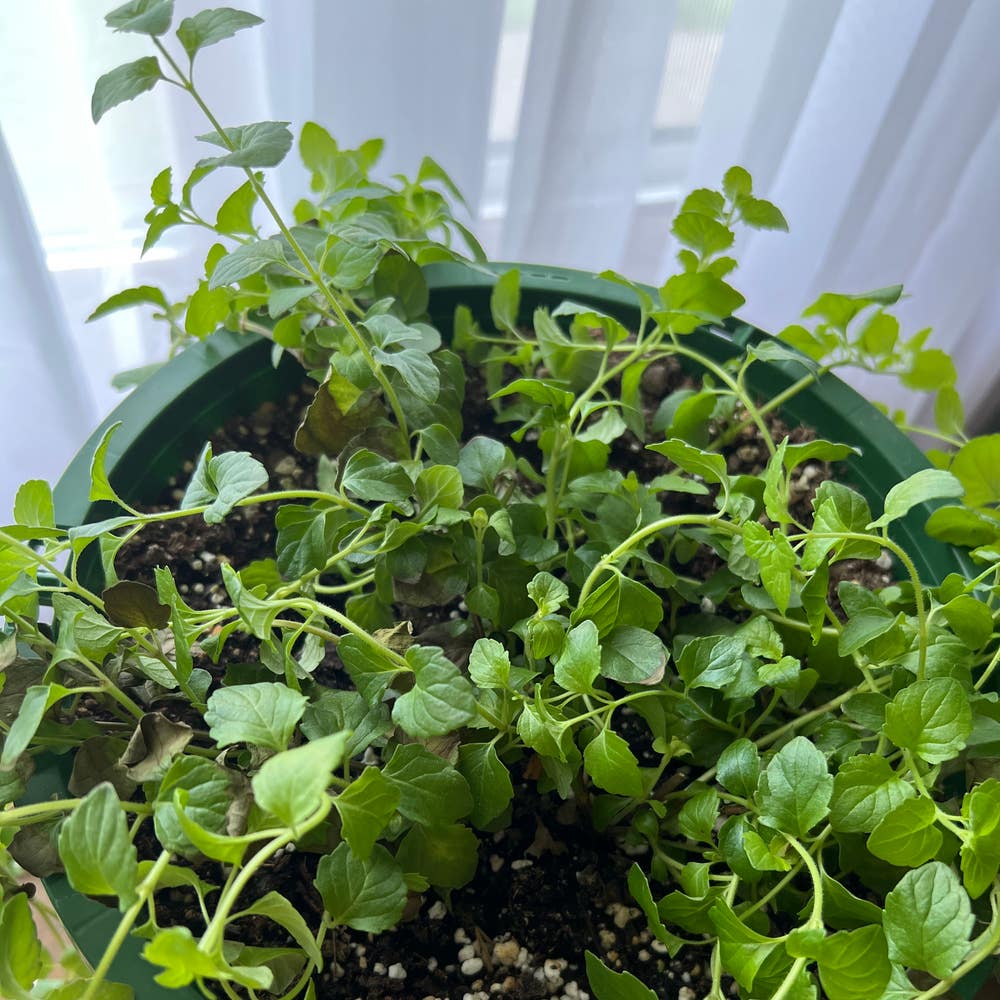
5 Tips for Caring for Your Indian Borage in Winter ❄️
Coleus amboinicus
By the Greg Editorial Team
Nov 26, 2024•6 min read
This article was created with the help of AI so we can cover more plants for you. May contain errors. See one? Report it here.
Ensure your Indian Borage survives winter's chill with these vital frost protection and indoor care tips! 🌱
- ❄️ Protect Indian Borage from frost using cloths or blankets for winter survival.
- 🌱 Reduce watering frequency in winter to prevent root rot during dormancy.
- 🌞 Ensure 6-8 hours of indirect sunlight indoors for optimal growth during winter.
Winter Care Techniques
❄️ Frost Protection Methods
Protecting your Indian Borage from frost is crucial for its survival during the colder months. Frost can damage the leaves and stunt growth, so implementing effective protection methods is essential.
Outdoor Protection Techniques
Using Frost Cloths or Blankets: This easy method involves draping frost cloths or blankets over your plants during cold nights. It provides a barrier against freezing temperatures while allowing light and moisture to reach the plant.
Creating Microclimates: You can create a warmer environment by using mulch or row covers. These materials help insulate the soil and maintain a more stable temperature around your plants.
Moving Pots to Sheltered Areas: If your Indian Borage is in a pot, relocating it to a more sheltered spot can protect it from harsh winds and frost. A patio or a corner of your garden can serve as a safe haven.
Indoor Protection Strategies
Keeping Plants Away from Drafty Windows: Indoors, ensure your Indian Borage is placed away from cold drafts. This will help maintain a consistent temperature and prevent stress on the plant.
Utilizing Heat Mats: For an extra boost of warmth, consider using heat mats. These can provide gentle heat to the roots, promoting healthy growth even in winter.
💧 Adjusting Watering Schedules
Monitoring soil moisture levels is vital during winter. The cooler temperatures mean your Indian Borage will require less water than in warmer months.
Recommended Watering Frequency
Reducing Frequency: To prevent root rot, reduce your watering frequency. This is especially important as the plant enters dormancy.
Signs of Overwatering and Underwatering: Keep an eye out for yellowing leaves, which may indicate overwatering, or wilting leaves, a sign of underwatering. Adjust your watering schedule accordingly.
Techniques for Checking Soil Moisture
- Finger Test or Moisture Meter Usage: Use the finger test by inserting your finger into the soil up to the second knuckle. Alternatively, a moisture meter can provide a more accurate reading of the soil's moisture level.
🌱 Fertilizing in Winter Months
Understanding your Indian Borage's nutrient needs during dormancy is key to its health. While the plant is less active, it still requires some care.
Recommended Fertilization Practices
Using a Diluted, Balanced Fertilizer: Apply a diluted, balanced fertilizer once a month to provide essential nutrients without overwhelming the plant.
Avoiding High-Nitrogen Fertilizers: Steer clear of high-nitrogen fertilizers, as they can promote unwanted growth during dormancy, making the plant more susceptible to cold damage.
Timing of Fertilization
Timing is everything. Fertilize your Indian Borage in relation to its dormancy cycle, ensuring it receives nutrients when it needs them most.
With these winter care techniques, your Indian Borage will thrive even in the coldest months. Next, let's explore how to transition your plant indoors for optimal growth.
Indoor Care
Transitioning Indoors 🌱
As temperatures drop, it's crucial to recognize when it's time to bring your Indian Borage indoors. Look for signs like wilting leaves or stunted growth, which indicate that your plant is struggling with the cold.
To ensure a smooth transition, gradually acclimatize your Indian Borage to indoor conditions. Start by bringing it inside for a few hours each day, increasing the duration until it's fully indoors.
Before moving your plant, inspect it thoroughly for pests. This step is essential to prevent any unwanted guests from hitching a ride into your home.
Light and Temperature Requirements 💡
Once indoors, your Indian Borage needs the right light conditions to thrive. Aim for bright, indirect sunlight for 6-8 hours daily. If natural light is limited, consider using grow lights to supplement.
Temperature is another critical factor. Maintain indoor temperatures between 60°F to 75°F (15°C to 24°C) to keep your plant happy. Avoid placing it near drafty windows or heating vents to prevent extreme temperature fluctuations.
With proper indoor care, your Indian Borage can flourish even in the colder months. Next, let’s explore how to prepare for spring and ensure your plant bounces back beautifully after winter.
Spring Preparation and Recovery
🌨️ Signs of Winter Damage
As winter fades, it's crucial to assess your Indian Borage for signs of frost damage. Look for discolored or mushy leaves, which indicate that the plant may have suffered from the cold.
Stunted growth or dieback are also common symptoms. These signs can help you determine the overall health of your plant as it emerges from dormancy.
🌱 Steps for Recovery and Rejuvenation
To revive your Indian Borage, start with a gradual reintroduction to outdoor conditions. This process helps the plant acclimate and reduces shock.
As temperatures rise, adjust your watering schedule accordingly. Be vigilant about monitoring for pests and diseases during this recovery phase, as weakened plants can be more susceptible.
✂️ Pruning and Care After Dormancy
Timing is key when it comes to pruning in spring. Cut back any damaged growth to encourage healthy new shoots.
Strategic pruning not only revitalizes the plant but also promotes a fuller appearance. Ongoing care tips include regular watering and ensuring adequate sunlight to support a thriving growing season.
With these steps, your Indian Borage will be well on its way to a vibrant spring!
Common Challenges and Solutions
🌨️ Addressing Cold Hardiness Issues
Understanding cold hardiness zones is crucial for successfully growing Indian Borage. This plant thrives in USDA zones 9-11, but if you're in a cooler climate, you can still enjoy its benefits.
To adapt to lower temperatures, consider selecting hardier varieties or hybrids that can withstand the chill. Additionally, using pots allows for mobility, enabling you to move your plants to more sheltered areas when the weather turns harsh.
🐜 Dealing with Pests
Winter can bring its own set of challenges, particularly with pests like aphids and spider mites. These tiny invaders can wreak havoc on your Indian Borage if left unchecked.
To combat these pests, regular inspections are key. Early intervention can save your plants from significant damage. Natural remedies, such as neem oil or insecticidal soap, are effective and eco-friendly options to keep your plants healthy and thriving.
By addressing these common challenges, you can ensure your Indian Borage remains vibrant and resilient throughout the winter months. With the right strategies in place, your plants will be ready to flourish come spring.
⚠️ Safety First
This content is for general information and may contain errors, omissions, or outdated details. It is not medical, veterinary advice, or an endorsement of therapeutic claims.
Always consult a qualified healthcare professional before using any plant as food, medicine, or supplement.
Never eat any plant (or feed one to pets) without confirming its identity with at least two trusted sources.
If you suspect poisoning, call Poison Control (800) 222-1222, the Pet Poison Helpline (800) 213-6680, or your local emergency service immediately.
Spotted an error? Please report it here.
Keep your Indian Borage thriving 🌿 through winter with Greg's tailored care reminders and expert tips to ensure it bounces back beautifully in spring!