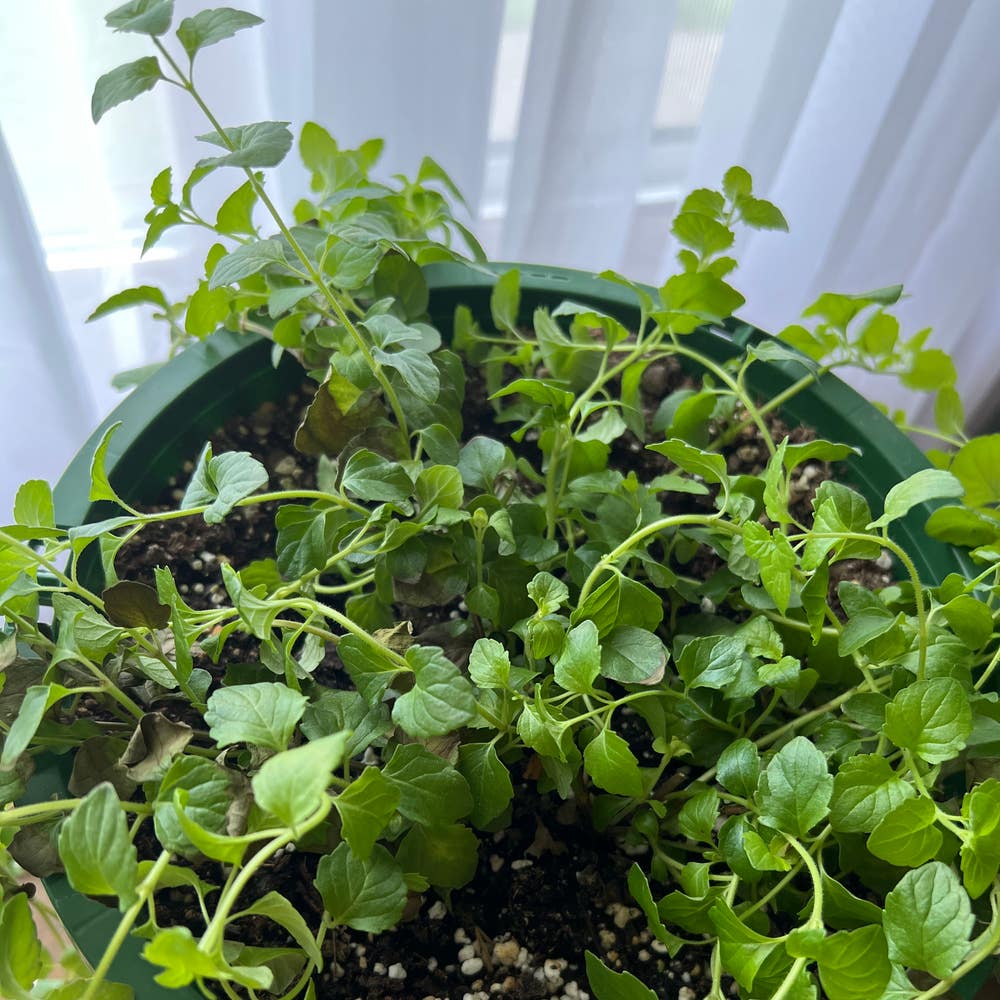
🌿 Indian Borage Hardiness Zones: 9a-11b
Coleus amboinicus
By the Greg Editorial Team
Nov 24, 2024•6 min read
This article was created with the help of AI so we can cover more plants for you. May contain errors. See one? Report it here.
Unlock thriving Indian Borage growth 🌿 by mastering its temperature needs and ideal growing regions for success!
- 🌡️ Indian Borage thrives in USDA zones 9a-11b, ideal for warmer climates.
- ❄️ Protect from frost using cloths and sheltered pots to prevent damage.
- ☀️ Full sun and well-drained soil are crucial for optimal growth and health.
Temperature Tolerance
❄️ Cold Tolerance
Indian Borage can tolerate minimum temperatures as low as 30°F (-1°C). However, frost can significantly affect its growth and survival, leading to stunted development or even plant death.
To protect Indian Borage from frost damage, consider using frost cloths or blankets during cold snaps. Additionally, placing pots in sheltered areas can help mitigate frost exposure.
🔥 Heat Tolerance
On the flip side, Indian Borage thrives in maximum temperatures up to 100°F (38°C). Its natural adaptations, such as thick leaves, help it withstand high heat.
Water management becomes crucial during extreme heat. Regular watering and mulching can prevent soil from drying out and keep the plants healthy.
🌡️ Optimal Growth Temperature Ranges
For optimal growth, Indian Borage prefers temperatures between 60°F to 85°F (15°C to 29°C). Staying within this range enhances growth and yield.
Temperature fluctuations can impact plant health, so it's essential to monitor conditions. Seasonal variations also play a role in successful cultivation, making it vital to adapt care routines accordingly.
Understanding these temperature tolerances will set the stage for successful Indian Borage cultivation, leading us to explore the ideal growing regions next.
Ideal Growing Regions
🌟 Suitable US States
When it comes to growing Indian Borage, certain states shine brighter than others. California, Florida, Texas, Arizona, and Hawaii are the top contenders, each offering unique regions that cater to the plant's needs.
In California, the coastal areas and the Central Valley provide warm temperatures and ample sunlight. Florida's subtropical climate, especially in the southern regions, creates a paradise for this herb. Texas boasts diverse climates, but the southern parts are particularly favorable. Arizona's desert regions, with their warm days and cool nights, also support healthy growth. Lastly, Hawaii's tropical environment is ideal for cultivating Indian Borage year-round.
🌱 Contributing Factors for Ideal Conditions
The success of Indian Borage hinges on several key factors. Warm temperatures and a low risk of frost are essential for thriving growth.
Soil conditions play a crucial role as well. Well-drained, fertile soils are preferred to prevent root rot and ensure nutrient availability. Additionally, full sun exposure is vital; Indian Borage loves soaking up those rays to flourish.
🌍 Regional Comparisons
While the suitable states share commonalities, there’s notable variability in climate and soil conditions. For instance, California's Mediterranean climate contrasts with Florida's humid subtropical environment, affecting growth patterns.
Local weather patterns significantly impact cultivation. In Texas, sudden temperature shifts can challenge growers, while Arizona's consistent heat can be both a boon and a bane. Successful growing practices vary; for example, California gardeners often use raised beds to improve drainage, while Florida growers may focus on mulching to retain moisture.
Understanding these regional differences can empower gardeners to adapt their strategies effectively. By recognizing the unique characteristics of their area, they can optimize conditions for Indian Borage and enjoy a bountiful harvest.
As we explore the next section, we'll delve into the fascinating world of microclimates and how they can enhance your growing experience.
Microclimates
🌍 Definition and Impact
Microclimates are localized climate zones that differ from the surrounding areas. They can be influenced by factors such as elevation, proximity to water, and urban heat islands, creating unique growing conditions.
🌱 Extending Growing Range
Microclimates can significantly extend the growing season for plants like Indian Borage. For instance, areas shielded from wind or near bodies of water often experience warmer temperatures, allowing for earlier planting and longer harvests.
Strategies for Utilizing Microclimates
To take advantage of microclimates, gardeners can:
- Identify sheltered spots that retain heat.
- Use reflective surfaces to enhance sunlight exposure.
- Implement windbreaks to protect plants from harsh conditions.
📊 Case Studies
In California, coastal microclimates provide ideal conditions for Indian Borage, with milder temperatures and increased humidity. Conversely, Florida's urban areas can create heat islands, offering warmer conditions that benefit plant growth.
Urban vs. Rural Microclimates
Urban microclimates often experience higher temperatures due to concrete and asphalt, while rural areas may have more variable conditions. Understanding these differences helps gardeners optimize their planting strategies.
🔍 Identifying and Leveraging Microclimates
Gardeners can identify microclimates by observing temperature variations in their gardens. Look for areas that warm up faster in spring or retain heat longer in fall, and adjust planting schedules accordingly.
Microclimates are a powerful tool for enhancing the growth of Indian Borage and other plants. By understanding and utilizing these unique conditions, gardeners can maximize their cultivation success. Next, we will explore state-level suitability analysis for Indian Borage, focusing on the best regions for growth.
State-Level Suitability Analysis
🌱 Suitable States for Indian Borage
Indian Borage thrives in several states across the U.S., particularly in warmer climates. The top states include:
- California: Known for its Mediterranean climate, California offers ideal conditions with warm temperatures and ample sunlight.
- Florida: With its tropical climate, Florida provides a long growing season, perfect for Indian Borage.
- Texas: The diverse climate zones in Texas, especially in the southern regions, support healthy growth.
- Arizona: Known for its arid conditions, Arizona's warm temperatures are conducive to cultivating Indian Borage.
- Hawaii: The tropical environment of Hawaii creates a paradise for this herb, ensuring year-round growth.
These states boast the right combination of warmth, sunlight, and minimal frost risk, making them perfect for cultivating Indian Borage.
❌ Unsuitable States and Challenges
Not all states are suitable for growing Indian Borage. States like North Dakota, Montana, and Maine fall outside the hardiness zones 9a-11b, presenting significant challenges.
- North Dakota: Harsh winters and extreme cold make it nearly impossible for Indian Borage to survive.
- Montana: Similar to North Dakota, the cold climate and short growing season hinder growth.
- Maine: The risk of frost and cooler temperatures limit the potential for successful cultivation.
These states face climatic challenges that prevent Indian Borage from thriving, making them unsuitable for this herb.
❄️ Frost Dates Relevance
Understanding frost dates is crucial for successful planting. The first and last frost dates vary significantly by region, impacting when you can safely plant Indian Borage.
- First Frost Date: This marks the end of the growing season, and knowing it helps in planning your planting schedule.
- Last Frost Date: This indicates when you can start planting again in spring.
To maximize growth, gardeners should:
- Research local frost dates.
- Plan planting schedules accordingly.
- Consider using protective measures if planting close to these dates.
By being aware of frost dates, you can ensure a successful growing season for Indian Borage, allowing for optimal yield and health of the plants.
As we explore the next section on microclimates, you'll discover how localized conditions can further enhance your growing experience.
⚠️ Safety First
This content is for general information and may contain errors, omissions, or outdated details. It is not medical, veterinary advice, or an endorsement of therapeutic claims.
Always consult a qualified healthcare professional before using any plant as food, medicine, or supplement.
Never eat any plant (or feed one to pets) without confirming its identity with at least two trusted sources.
If you suspect poisoning, call Poison Control (800) 222-1222, the Pet Poison Helpline (800) 213-6680, or your local emergency service immediately.
Spotted an error? Please report it here.
Grow thriving Indian Borage 🌱 in USDA zones 9a to 11b with Greg's tailored care tips and reminders to protect your plant from frost and optimize its growth conditions!