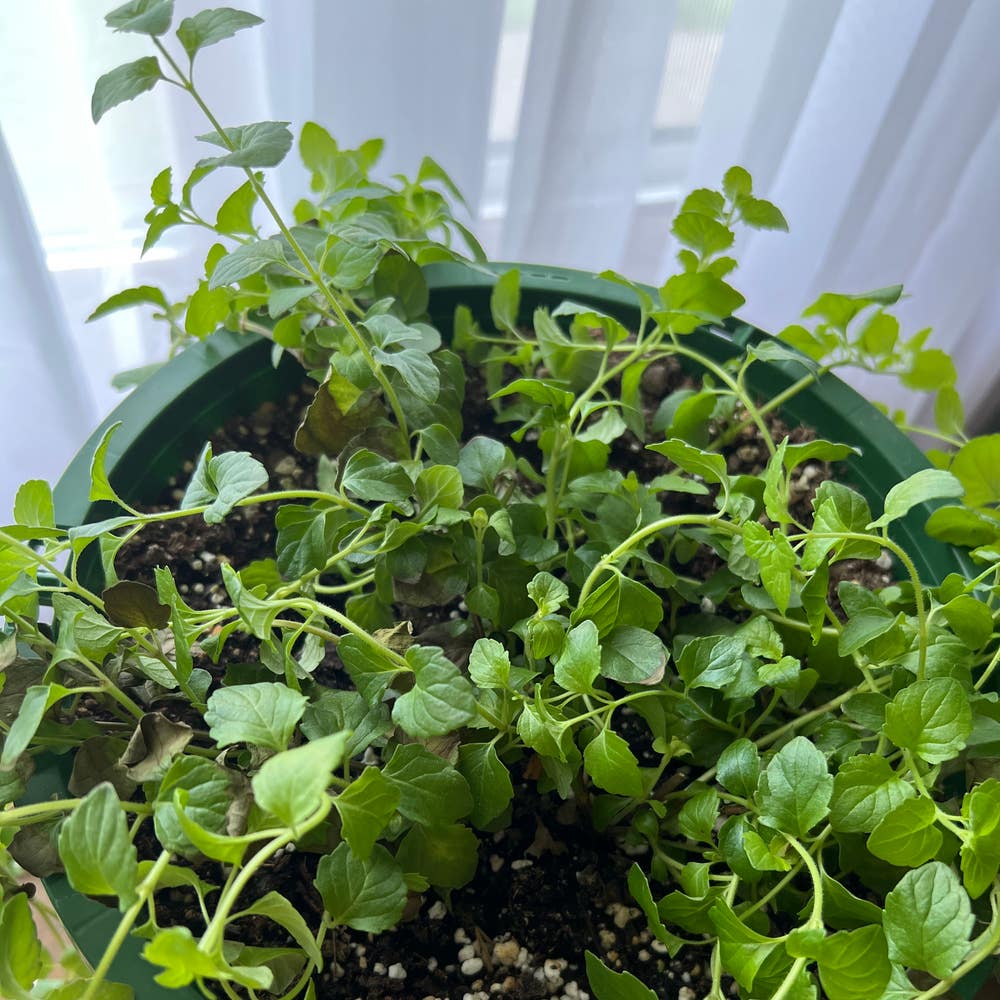
🌞 10 Factors for Optimal Cuban Oregano Growth
Coleus amboinicus
By the Greg Editorial Team
Nov 24, 2024•6 min read
This article was created with the help of AI so we can cover more plants for you. May contain errors. See one? Report it here.
Cultivate vibrant Cuban oregano 🌱 effortlessly with essential tips on site selection, soil prep, and care!
- 🌞 Cuban oregano needs 6-8 hours of sunlight daily for optimal growth.
- 🌱 Well-draining, fertile soil with pH 6.0-7.0 is essential for healthy plants.
- 💧 Water when the top inch is dry to prevent root rot and drooping leaves.
Site Selection and Soil Preparation
Choosing the Right Location 🌞
Cuban oregano flourishes in full sun, requiring 6 to 8 hours of sunlight daily for optimal growth. It thrives in warm climates, ideally between 70°F to 90°F (21°C to 32°C), making it perfect for those sunny spots in your garden.
Soil Type and pH Requirements 🌱
For the best results, Cuban oregano prefers well-draining, fertile soil rich in organic matter. Aim for a pH range of 6.0 to 7.0, which is slightly acidic to neutral, to create an ideal environment for growth.
Soil Preparation Techniques 🛠️
To enhance soil fertility, incorporate compost or well-rotted manure into your planting area. Additionally, ensure your soil drains well to prevent root rot; if drainage is a concern, consider using raised beds or containers for better control.
With the right location and soil preparation, you're setting the stage for healthy Cuban oregano growth. Next, let’s explore the best methods for planting this versatile herb.
Planting Cuban Oregano
🌱 Seed vs. Cutting Propagation
When it comes to propagating Cuban oregano, you have two solid options: seeds or cuttings.
- Seed Propagation: Expect germination in about 10-14 days when you plant seeds at a depth of 1/4 inch.
- Cutting Propagation: For cuttings, select healthy stems that are 4-6 inches long. Use a rooting medium that combines peat and perlite for the best results.
📏 Planting Depth and Spacing
Proper spacing and depth are crucial for healthy growth.
- Recommended Spacing: Aim for 12-18 inches apart to give your plants room to grow bushy and vibrant.
- Planting Depth: Ensure the roots are covered adequately, but avoid planting too deep to prevent rot.
⏰ Timing for Planting
Timing can make all the difference in your oregano's success.
- Best Planting Time: The ideal time to plant is in the spring after the last frost or early summer. This timing promotes optimal growth and ensures your plants thrive.
With these planting techniques in mind, you're well on your way to cultivating a flourishing Cuban oregano garden. Next, let’s explore how to effectively water and fertilize your plants for continued health and growth.
Watering and Fertilizing
💧 Watering Frequency and Techniques
Cuban oregano thrives when its soil is kept consistently moist, but be cautious not to overdo it. Water the plant when the top inch of soil feels dry, ensuring it doesn't become soggy.
Utilizing drip irrigation is an effective method, as it delivers water directly to the roots. Alternatively, watering at the base of the plant helps avoid wetting the leaves, which can lead to fungal issues.
⚠️ Signs of Overwatering and Underwatering
Recognizing the signs of overwatering is crucial for maintaining healthy plants. Look for yellowing leaves, wilting, and root rot as indicators that your Cuban oregano is receiving too much water.
On the flip side, underwatering can also stress your plant. Drooping leaves, dry soil, and leaf drop signal that your oregano needs a drink.
📅 Fertilization Schedule and Types of Fertilizers
To keep your Cuban oregano flourishing, fertilize every 4-6 weeks during the growing season. This regular feeding helps support robust growth and vibrant flavor.
For the best results, consider using a balanced NPK fertilizer, such as a 10-10-10 mix. Organic options like fish emulsion are also excellent choices, providing nutrients while being gentle on the environment.
With proper watering and fertilization, your Cuban oregano will thrive, setting the stage for healthy growth and abundant harvests. Next, let's explore the importance of pruning and maintenance to further enhance your plant's vitality.
Pruning and Maintenance
Importance of Pruning for Growth and Health 🌱
Pruning is essential for Cuban oregano as it encourages bushier growth and removes any dead or diseased branches. This practice also promotes better air circulation, which is crucial for preventing diseases.
Techniques for Effective Pruning ✂️
To effectively prune your Cuban oregano, use clean, sharp scissors to cut back stems by one-third after flowering. Timing is key; aim to prune in early spring before new growth begins to ensure a healthy plant.
Ongoing Care Routine 🔍
Regular monitoring of your plants is vital. Check for signs of pests or diseases to catch any issues early.
Implement integrated pest management strategies to control pests naturally. This includes introducing natural predators to maintain a balanced ecosystem in your garden.
By following these pruning and maintenance tips, you can ensure your Cuban oregano thrives and remains healthy throughout its growing season. Next, let’s explore common challenges you might face and how to overcome them.
Common Challenges and Solutions
🐛 Identifying and Managing Pests
Pests can be a significant hurdle in growing Cuban oregano, but knowing how to identify and manage them can save your plants.
Common Pests
Aphids: These tiny insects can cause curling leaves and leave a sticky residue behind. Control them effectively with neem oil or insecticidal soap.
Spider Mites: Look for fine webbing on leaves, which indicates their presence. Increasing humidity and using miticides can help manage these pests.
🦠 Recognizing and Treating Diseases
Diseases can also threaten the health of your Cuban oregano. Early recognition is key to effective treatment.
Common Diseases
Root Rot: If your plant wilts despite adequate watering, it may be suffering from root rot. Prevent this by ensuring well-draining soil and avoiding overwatering.
Leaf Spot: Dark spots on leaves signal this issue. Remove affected leaves promptly and improve air circulation to mitigate the problem.
🌧️ Tips for Overcoming Environmental Challenges
Environmental factors can complicate your growing efforts, but there are simple strategies to combat them.
Humidity Management: During dry spells, consider using a humidity tray or misting the leaves to maintain moisture levels.
Temperature Fluctuations: Protect your plants by providing shade during extreme heat and shielding them from frost in cooler months.
By staying vigilant and proactive, you can tackle these common challenges and enjoy a thriving Cuban oregano garden. Next, let’s explore the benefits of container growing for this versatile herb.
Container Growing
🌱 Benefits of Container Growing
Container growing offers incredible flexibility, allowing you to easily relocate your Cuban oregano to optimize sunlight exposure. This adaptability can be a game-changer, especially if your garden has varying light conditions throughout the day.
Managing soil quality and drainage becomes simpler in containers. You can customize the soil mix to suit your plant's needs, ensuring it remains fertile and well-draining.
🪴 Container Selection and Preparation
When selecting a container, aim for one that is at least 12 inches in diameter. This size provides adequate root space, which is crucial for healthy growth.
For the soil mix, choose a high-quality potting mix that offers good drainage. This will help prevent waterlogging, which can lead to root rot.
🌼 Care for Container-Grown Plants
Be mindful that container-grown plants may dry out faster than those in the ground. Regularly monitor moisture levels to keep your Cuban oregano thriving.
Follow the same fertilization schedule as you would for outdoor plants, adjusting based on their growth rate. This ensures your container plants receive the nutrients they need to flourish.
Transitioning to container growing can be a rewarding experience, providing you with the control and flexibility to cultivate your Cuban oregano successfully. Next, let’s explore common challenges you might face and how to overcome them.
⚠️ Safety First
This content is for general information and may contain errors, omissions, or outdated details. It is not medical, veterinary advice, or an endorsement of therapeutic claims.
Always consult a qualified healthcare professional before using any plant as food, medicine, or supplement.
Never eat any plant (or feed one to pets) without confirming its identity with at least two trusted sources.
If you suspect poisoning, call Poison Control (800) 222-1222, the Pet Poison Helpline (800) 213-6680, or your local emergency service immediately.
Spotted an error? Please report it here.
Grow vibrant Cuban oregano 🌱 with Greg's tailored watering alerts and expert care tips to help you achieve optimal growth effortlessly!