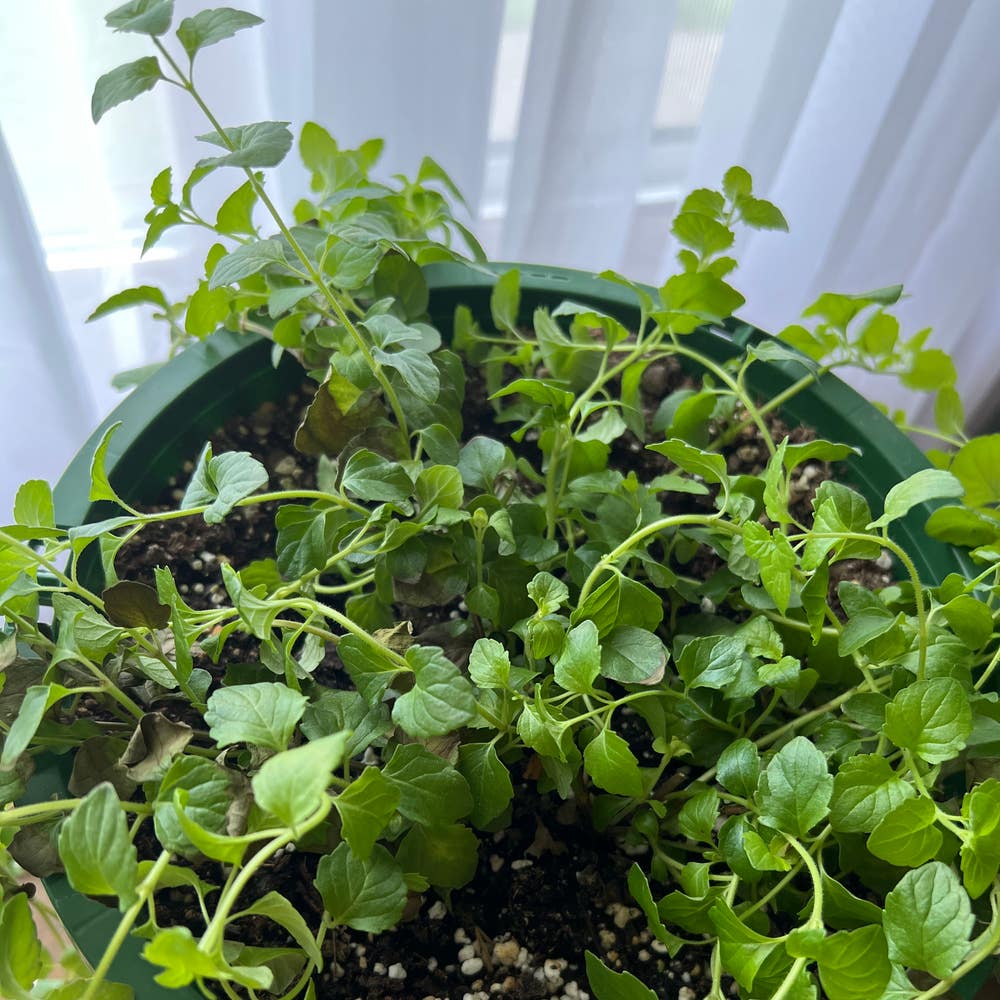
How to Fix Droopy Leaves on Your Cuban Oregano 😢
Coleus amboinicus
By the Greg Editorial Team
Nov 24, 2024•5 min read
This article was created with the help of AI so we can cover more plants for you. May contain errors. See one? Report it here.
Transform your droopy Cuban oregano 🌱 into a thriving beauty with these essential care tips for vibrant growth!
- 💧 Overwatering and underwatering are primary causes of droopy leaves in Cuban oregano.
- 🌡️ Ideal conditions: Maintain 60°F-80°F temperatures and 40%-70% humidity for healthy growth.
- 🐛 Regular pest inspections are crucial; treat infestations promptly to prevent droopiness.
Causes of Droopy Leaves
💧 Overwatering Issues
Overwatering is a common culprit behind droopy leaves. Symptoms include yellowing leaves, soggy soil, and root rot, which occur when roots become waterlogged and deprived of oxygen.
To prevent this, ensure proper soil drainage and only water when the top inch of soil is dry. This simple practice can save your Cuban oregano from droopiness.
🌵 Underwatering Issues
On the flip side, underwatering can also lead to droopy leaves. Look for crispy, dry leaves and wilting as signs that your plant is thirsty.
To combat this, regularly check soil moisture and establish a consistent watering schedule. Keeping your plant hydrated is key to its health.
🌪️ Environmental Stress
Environmental factors play a significant role in the well-being of your Cuban oregano.
Temperature
The ideal temperature range for this plant is between 60°F to 80°F (15°C to 27°C). Exposure to cold drafts or excessive heat can cause stress, leading to droopiness.
Humidity
Cuban oregano thrives in moderate to high humidity levels, ideally between 40%-70%. Low humidity can result in dry air, causing wilting and droopy leaves.
To maintain humidity, consider using a humidifier or a pebble tray. These methods can create a more favorable environment for your plant.
🐛 Pest Infestations
Pests can wreak havoc on your Cuban oregano, leading to droopy leaves. Common pests include aphids, spider mites, and whiteflies.
Signs of infestation include sticky residue, webbing, or visible insects on the leaves. Regularly inspect your plants and use insecticidal soap or neem oil to keep pests at bay.
🌱 Nutrient Deficiencies
Nutrient deficiencies, particularly in nitrogen and potassium, can also cause droopy leaves. Symptoms include yellowing leaves and poor growth.
To prevent this, use a balanced fertilizer during the growing season. Providing essential nutrients will help keep your plant vibrant and healthy.
Understanding these causes is crucial for maintaining the health of your Cuban oregano. With this knowledge, you can take proactive steps to ensure your plant thrives. Next, let’s explore how to diagnose the specific problems affecting your plant.
Diagnosing the Problem
🌊 Signs of Overwatering vs. Underwatering
Identifying whether your Cuban oregano is suffering from overwatering or underwatering is crucial. Overwatering typically presents with soggy soil, yellowing leaves, and root rot, while underwatering results in dry, crispy leaves and wilting.
🐛 Identifying Pests and Their Effects
Regular inspections are key to maintaining healthy plants. Look closely at the leaves for any signs of pests or damage; a magnifying glass can help you spot tiny insects or webbing that might otherwise go unnoticed.
🌡️ Assessing Environmental Conditions
Environmental factors play a significant role in plant health. Make it a habit to check temperature and humidity levels regularly, as these can greatly affect your plant's well-being.
Additionally, monitoring soil moisture is essential; using a moisture meter or simply testing with your finger can help you determine when it's time to water. Keeping these conditions in check will help you diagnose any issues before they escalate.
With a clear understanding of these diagnostic steps, you can effectively address the root causes of droopy leaves. Next, let’s explore practical solutions to revive your Cuban oregano and keep it thriving.
Solutions for Droopy Leaves
🌊 Immediate Actions to Take
Adjusting Watering Schedule
To tackle droopy leaves, start by assessing your current watering frequency. Water your Cuban oregano only when the top inch of soil feels dry to the touch.
Using room temperature water can help avoid shocking the plant, promoting healthier growth.
Improving Soil Drainage
Next, check for compacted soil or poor drainage that could be causing issues. If you find any, amend the soil with perlite or sand to enhance drainage.
In some cases, repotting may be necessary to ensure your plant has the right soil conditions for optimal health.
Increasing Humidity Levels
Humidity plays a crucial role in keeping your Cuban oregano happy. Use a humidifier or place a tray of water near the plant to boost moisture levels in the air.
Misting the leaves occasionally can also help, and grouping plants together creates a microclimate that benefits all.
Treating Pests
If pests are the culprit behind droopy leaves, identifying the type of pest is your first step. Apply insecticidal soap or neem oil as directed to treat the infestation.
Keep an eye out for re-infestation and repeat treatment if necessary to keep your plant healthy.
🔒 Long-term Prevention Strategies
Optimal Watering Practices
Establishing a consistent watering schedule based on seasonal changes is key to preventing droopy leaves. This ensures your plant receives the right amount of moisture throughout the year.
Ideal Light Conditions
Cuban oregano thrives in bright, indirect sunlight for 6-8 hours daily. Providing these ideal light conditions will help maintain its vigor and prevent droopiness.
Regular Soil Checks and Amendments
Make it a habit to check soil moisture weekly and amend as needed. This proactive approach helps you catch any issues before they escalate.
Seasonal Care Adjustments
Finally, adjust your watering and humidity levels based on seasonal changes. Being attentive to these variations will keep your Cuban oregano thriving year-round.
By implementing these immediate actions and long-term strategies, you can effectively address and prevent droopy leaves on your Cuban oregano. Next, let’s explore how to diagnose the problem accurately to ensure you’re on the right track.
⚠️ Safety First
This content is for general information and may contain errors, omissions, or outdated details. It is not medical, veterinary advice, or an endorsement of therapeutic claims.
Always consult a qualified healthcare professional before using any plant as food, medicine, or supplement.
Never eat any plant (or feed one to pets) without confirming its identity with at least two trusted sources.
If you suspect poisoning, call Poison Control (800) 222-1222, the Pet Poison Helpline (800) 213-6680, or your local emergency service immediately.
Spotted an error? Please report it here.
Keep your Cuban oregano thriving 🌱 by using Greg's tailored watering reminders and moisture checks to prevent droopy leaves and ensure optimal care!