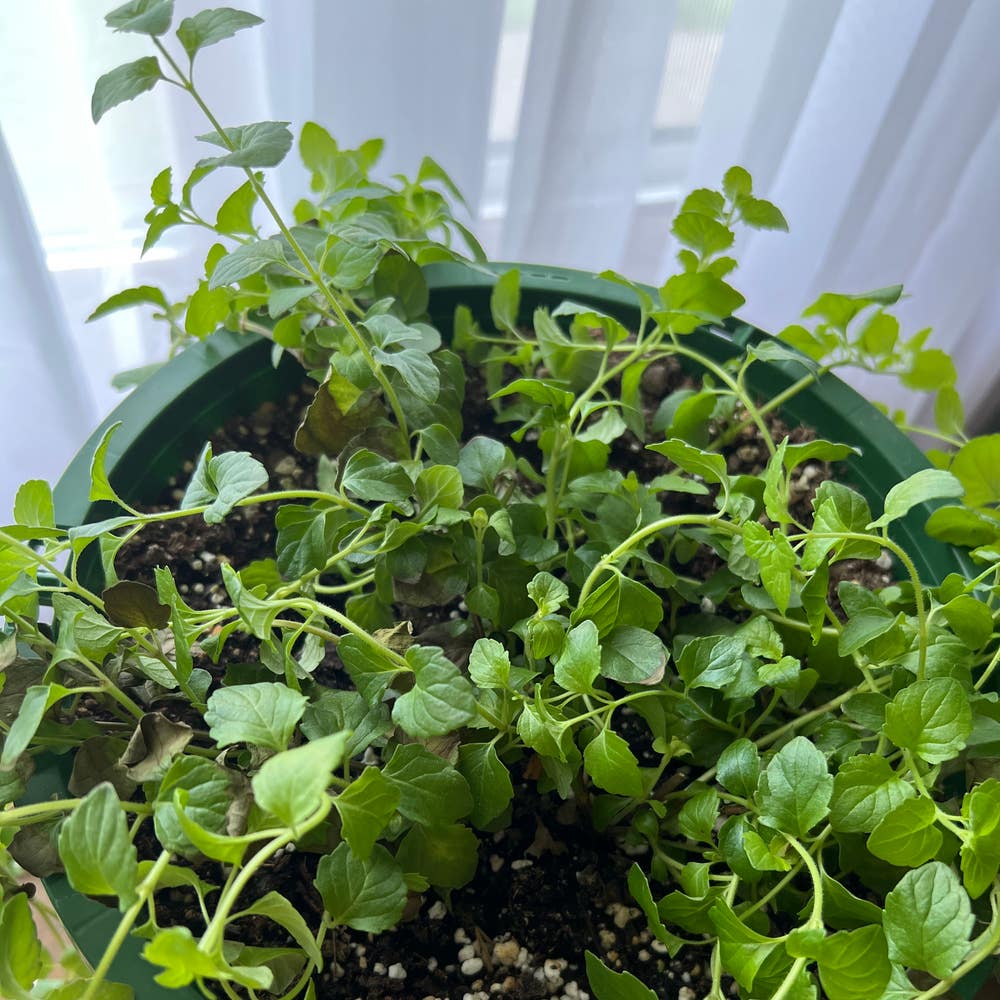
What to Do About Cuban Oregano Root Rot 🐛
Coleus amboinicus
By the Greg Editorial Team
Nov 24, 2024•6 min read
This article was created with the help of AI so we can cover more plants for you. May contain errors. See one? Report it here.
Rescue your Cuban oregano from root rot with these vital tips for identification and recovery! 🌿
- 🌱 Identify root rot early: look for yellowing leaves, wilting, and foul soil odor.
- 🥄 Remove and assess roots: dark, mushy roots indicate rot; healthy roots are firm.
- 🌿 Repot in well-draining soil and water sparingly to aid recovery from root rot.
Identifying Root Rot Symptoms
Visual Signs of Root Rot 🌿
Recognizing root rot early can save your Cuban oregano. Look for yellowing leaves and wilting; these are often the first signs that something is wrong.
Another critical indicator is a foul odor coming from the soil. This unpleasant smell suggests that decay is occurring beneath the surface.
Stem and Root Symptoms 🌱
When examining the roots, you may notice dark, mushy roots. This decay is a clear sign of root rot.
To better understand the problem, compare these unhealthy roots with healthy ones, which should be firm and white or light tan in color.
Root Examination Techniques 🔍
Safely Removing the Plant
To assess root health, start by gently removing the plant from its pot.
- Gather your tools: You'll need gloves and a trowel.
- Carefully loosen the soil around the edges before lifting the plant out.
Assessing Root Health
Once extracted, inspect the roots closely. Look for color and texture; healthy roots are typically firm and light in color.
If you find any that are dark or mushy, these are likely affected by rot and need to be trimmed.
Distinguishing Root Rot from Other Plant Issues 🕵️♂️
It's essential to differentiate root rot from other common plant problems.
For instance, pests may cause similar symptoms but often leave visible signs like webs or holes in the leaves.
Additionally, nutrient deficiencies can lead to yellowing leaves, but they won't produce the foul odor associated with root rot. Understanding these differences will help you make an accurate diagnosis.
With these identification techniques in hand, you're well-equipped to tackle root rot effectively. Next, we’ll explore how to treat this issue and restore your Cuban oregano to health.
Treating Root Rot
Step-by-Step Treatment Process 🌱
Dealing with root rot can be daunting, but following a structured approach makes it manageable. Start by carefully removing the plant from its pot to examine the roots.
- Remove the plant from the pot: Gently grasp the base of the plant and pull it out, being cautious not to damage the stems.
- Trim away dead or rotting roots: Use sterilized scissors to cut away any dark, mushy roots. This step is crucial for preventing the spread of decay.
- Prepare a new pot with well-draining soil: Choose a pot that’s slightly larger than the previous one and fill it with a quality potting mix designed for drainage.
- Repot the plant: Place the plant in the new pot, ensuring that the roots are well covered with soil. This helps stabilize the plant and encourages healthy growth.
- Water sparingly after repotting: Give the plant a light watering to settle the soil, but avoid overwatering to reduce stress on the roots.
Recommended Fungicides and Natural Remedies 🌿
After addressing root rot, consider treatments to prevent future issues. Both chemical and natural options are available.
Chemical Treatments
Effective fungicides can help combat root rot. Look for products specifically labeled for root rot treatment. Always follow the application instructions and take necessary safety precautions, such as wearing gloves and a mask.
Natural Remedies
If you prefer organic solutions, cinnamon and neem oil are excellent choices. Cinnamon acts as a natural fungicide, while neem oil helps protect against pests. To apply, sprinkle cinnamon on the affected roots or mix neem oil with water and spray it onto the soil.
Importance of Repotting and Soil Replacement 🪴
Repotting is essential for recovery from root rot. It not only removes contaminated soil but also provides fresh nutrients for the plant.
Choosing the right soil is crucial. Opt for a mix that enhances drainage and aeration, such as one containing perlite or sand. This will help prevent future occurrences of root rot and promote a healthier growing environment.
By following these steps and recommendations, you can effectively treat root rot and set your Cuban oregano on the path to recovery. Next, let’s explore how to prevent root rot from happening in the first place.
Preventing Root Rot
🌊 Best Practices for Watering
Watering your Cuban oregano correctly is crucial to prevent root rot. Start by checking the soil moisture; if the top inch feels dry, it's time to water.
Look for signs that indicate your plant needs water, such as drooping leaves or a dry, cracked surface. These visual cues can help you maintain a healthy watering routine.
💧 Techniques for Effective Watering
To ensure even moisture distribution, water your plant thoroughly until you see excess water draining from the bottom. This method helps the roots absorb moisture uniformly.
Consider using a watering can with a narrow spout for precision. This allows you to direct water to the base of the plant without soaking the leaves.
🌱 Soil Selection and Drainage Solutions
Choosing the right soil mix is essential for preventing root rot. A well-draining potting mix typically contains components like peat moss, compost, and perlite.
Adding perlite or sand enhances drainage, preventing water from pooling around the roots. This simple adjustment can make a significant difference in your plant's health.
🪴 Pot Selection
The type of pot you use can also impact drainage. Terracotta pots are an excellent choice as they allow moisture to evaporate, reducing the risk of overwatering.
Ensure your pot has drainage holes to facilitate excess water flow. This feature is vital for maintaining a healthy root environment.
🌡️ Environmental Conditions to Maintain for Healthy Growth
Cuban oregano thrives in optimal temperature and humidity levels. Aim for a warm environment, ideally between 65°F and 75°F, with moderate humidity.
Good air circulation is equally important. Position your plant in a spot where it can receive gentle airflow, which helps prevent mold and promotes healthy growth.
By following these preventive measures, you can significantly reduce the risk of root rot and keep your Cuban oregano flourishing. Next, let’s explore how to monitor your plant's health effectively.
Monitoring Plant Health
🌱 Regular Checks for Root Health
To keep your Cuban oregano thriving, regular inspections are essential. Aim to check the roots and overall plant condition every couple of weeks.
During these inspections, look for signs of stress such as yellowing leaves or wilting. These indicators can signal that your plant may need immediate attention.
👀 Signs of Recovery After Treatment
After addressing root rot, watch for visual cues that indicate your plant is bouncing back. New growth and vibrant leaf color are promising signs of recovery.
Typically, you can expect to see signs of health return within a few weeks. Patience is key, as plants often take time to fully recover.
🔄 Long-Term Care Strategies to Avoid Recurrence
Establishing a consistent care routine is crucial for long-term health. Regular watering schedules and periodic soil checks can help prevent future issues.
Additionally, educate yourself on seasonal adjustments. Modifying your care practices based on the changing seasons will ensure your Cuban oregano remains healthy year-round.
By staying vigilant and proactive, you can enjoy a flourishing plant that adds flavor and vitality to your home.
⚠️ Safety First
This content is for general information and may contain errors, omissions, or outdated details. It is not medical, veterinary advice, or an endorsement of therapeutic claims.
Always consult a qualified healthcare professional before using any plant as food, medicine, or supplement.
Never eat any plant (or feed one to pets) without confirming its identity with at least two trusted sources.
If you suspect poisoning, call Poison Control (800) 222-1222, the Pet Poison Helpline (800) 213-6680, or your local emergency service immediately.
Spotted an error? Please report it here.
Revive your Cuban oregano from root rot with proactive care 🌱 and let Greg guide you with tailored watering reminders and expert tips for thriving plants!