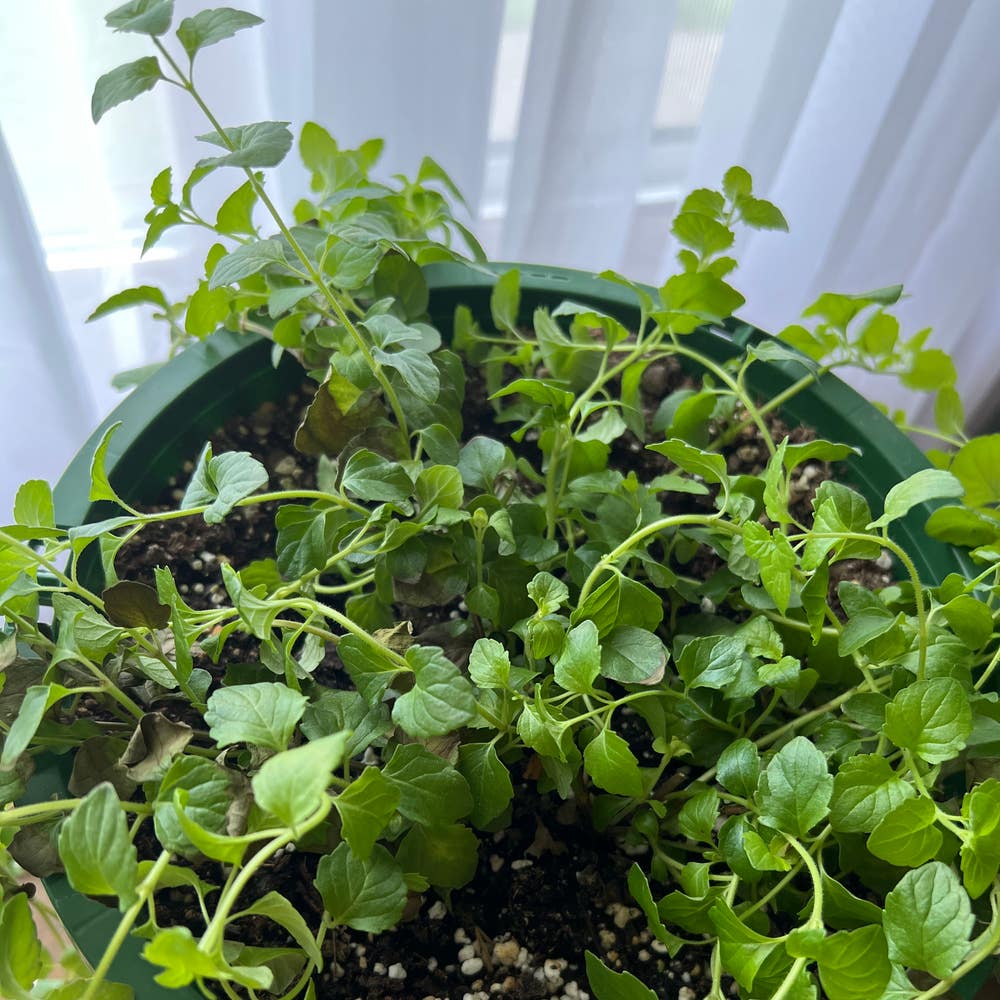
Ultimate Guide to Cuban Oregano Roots 🥔
Coleus amboinicus
By the Greg Editorial Team
Nov 24, 2024•6 min read
This article was created with the help of AI so we can cover more plants for you. May contain errors. See one? Report it here.
Master Cuban oregano's root system 🌱 for lush growth and flavorful harvests in your garden!
- 🌱 Cuban oregano roots spread horizontally, ensuring efficient nutrient and water absorption.
- 💧 Consistent moisture is vital, but avoid overwatering to prevent root rot.
- 🌿 Healthy roots are key for thriving plants; monitor for signs of distress.
Root System Characteristics
Root Type 🌱
Cuban oregano features a fibrous root system characterized by a dense network of thin roots that spread horizontally. This structure allows the plant to efficiently absorb nutrients and water, making it well-suited for various growing conditions.
Specific Characteristics 🌿
One of the standout traits of Cuban oregano is its shallow root growth. Typically, the roots grow between 6-12 inches deep, but they can spread up to 2 feet wide under optimal conditions.
Soil Adaptability
Cuban oregano thrives in well-draining soils, which is crucial for efficient nutrient access. This adaptability ensures that the plant can flourish in diverse environments, making it a favorite among gardeners.
Understanding these root system characteristics is essential for cultivating healthy Cuban oregano. With the right conditions, you can support robust growth and enjoy the benefits of this versatile herb.
Next, we will explore the root depth and spread of Cuban oregano, providing insights into its growth patterns and how they affect overall plant health.
Root Depth and Spread
Typical Root Depth 🌱
Cuban oregano features a shallow root system, typically growing between 6-12 inches deep. This depth allows the plant to efficiently access nutrients and moisture in the upper soil layers.
Root Spread and Growth Patterns 🌍
The roots of Cuban oregano can spread horizontally up to 2 feet wide. This expansive growth not only provides stability but also enhances nutrient access.
Roots grow rapidly when conditions are favorable, adapting to varying moisture levels and soil quality. This adaptability is crucial for the plant's overall health and resilience.
Understanding the root depth and spread of Cuban oregano is essential for effective care. With the right conditions, these roots can thrive, leading to a robust and flourishing plant.
Next, we will explore the watering, fertilizing, and transplanting needs of Cuban oregano to ensure its continued growth and vitality.
Watering, Fertilizing, and Transplanting
💧 Watering Needs
Cuban oregano thrives on consistent moisture but is sensitive to overwatering. To maintain ideal soil moisture, allow the top inch of soil to dry out between waterings.
🌱 Fertilization Techniques
For optimal growth, use a balanced fertilizer every 4-6 weeks during the growing season. Focus on nitrogen, phosphorus, and potassium (NPK) to support robust root health.
🌿 Transplanting Best Practices
Transplant your Cuban oregano in spring or early summer when it is actively growing. Ensure you use well-draining soil and a pot that is at least 12 inches in diameter.
🚧 Minimizing Root Disturbance
When transplanting, aim to keep as much soil around the roots as possible. This practice helps reduce shock and promotes a smoother transition to its new home.
Understanding these watering, fertilizing, and transplanting techniques is crucial for nurturing a healthy Cuban oregano plant. Next, we will explore common root-related issues that can affect your plant's vitality.
Common Root-Related Issues
🕵️ Identifying and Solving Root Rot
Root rot is a common issue that can plague Cuban oregano, and recognizing its symptoms early is crucial. Look for wilting leaves, yellowing foliage, and an unpleasant smell emanating from the soil.
If you suspect root rot, act quickly. Remove the affected roots and repot the plant in fresh, well-draining soil. Adjust your watering practices to ensure the plant receives the right amount of moisture without becoming waterlogged.
🚫 Preventing Root-Related Problems
Prevention is always better than cure when it comes to root health. Start by choosing the right soil mix; a combination of potting soil and perlite enhances drainage and promotes healthy root growth.
Watering practices also play a vital role in preventing root issues. Only water your Cuban oregano when the top inch of soil feels dry to the touch. This simple habit can help you avoid the pitfalls of overwatering and keep your plant thriving.
By staying vigilant and proactive, you can ensure your Cuban oregano maintains a robust root system, setting the stage for vibrant growth and health.
As we move forward, let's explore how to recognize and address rootbound plants, another common concern for gardeners.
Root Health Indicators
👀 Visual Cues of Healthy vs. Unhealthy Roots
Identifying the health of your Cuban oregano's roots is essential for its overall vitality. Healthy roots are typically firm, exhibiting a white or light tan color, and possess a strong, fibrous structure that indicates robust growth.
In contrast, unhealthy roots present a worrying sight. They often appear dark brown or black, with a mushy texture and a foul odor, signaling potential root rot or other issues that need immediate attention.
🌱 Importance of Root Health
The health of your plant's roots plays a crucial role in its ability to thrive. Healthy roots are vital for efficient nutrient uptake, enabling the plant to absorb essential elements from the soil.
Moreover, strong roots enhance drought resistance, allowing your Cuban oregano to withstand periods of low moisture. This resilience contributes significantly to the overall health and longevity of the plant, making root care a top priority for any gardener.
Understanding these indicators can empower you to take proactive steps in maintaining your plant's health. By recognizing the signs of root distress early, you can ensure your Cuban oregano remains vibrant and productive.
As we delve deeper into the care of your Cuban oregano, the next section will cover how to recognize and address rootbound plants, ensuring your plant continues to flourish.
Recognizing and Addressing Rootbound Plants
Definition and Indicators 🌱
Rootbound refers to a condition where the roots of a plant grow in a circular pattern, filling the pot and restricting growth. This can lead to several visible indicators, such as roots protruding from drainage holes, stunted growth, and yellowing leaves.
Corrective Actions 🔧
To address rootbound issues, repotting into a larger container is essential. Alternatively, dividing the plant can also promote healthy growth and rejuvenate its root system.
Recognizing and addressing rootbound conditions is crucial for maintaining the health of your Cuban Oregano. By ensuring adequate space for root expansion, you can foster a thriving plant ready to flourish.
Propagation and Division
🌱 Importance of Root Health
Healthy roots are the backbone of successful propagation through cuttings. They ensure that new plants can thrive and establish themselves effectively.
✂️ Techniques for Dividing Successfully
Division Method
To propagate Cuban Oregano, carefully separate clumps of roots. Make sure each section has healthy roots and stems to promote robust growth.
Post-Division Care
After dividing, water the new plants thoroughly. Place them in indirect sunlight to help them acclimate and establish strong roots.
🌿 Conclusion
Understanding and caring for Cuban Oregano's root system is vital for ensuring a thriving, healthy plant. By focusing on root health and employing proper propagation techniques, you can enjoy a flourishing garden filled with this aromatic herb.
⚠️ Safety First
This content is for general information and may contain errors, omissions, or outdated details. It is not medical, veterinary advice, or an endorsement of therapeutic claims.
Always consult a qualified healthcare professional before using any plant as food, medicine, or supplement.
Never eat any plant (or feed one to pets) without confirming its identity with at least two trusted sources.
If you suspect poisoning, call Poison Control (800) 222-1222, the Pet Poison Helpline (800) 213-6680, or your local emergency service immediately.
Spotted an error? Please report it here.
Nurturing your Cuban oregano's roots is vital for a bountiful harvest, and with Greg's customized care tips 🌿 and watering reminders, you'll cultivate a thriving herb garden in no time!