Indian Borage Is Not an Annual
Coleus amboinicus
By the Greg Editorial Team
Nov 23, 2024•6 min read
This article was created with the help of AI so we can cover more plants for you. May contain errors. See one? Report it here.
Unlock the secret to a thriving garden 🌱 with Indian Borage, a resilient perennial that enhances beauty and biodiversity!
- 🌱 Indian Borage is a perennial, thriving for years, unlike annual plants.
- 🌼 It blooms across seasons, attracting pollinators and enhancing garden sustainability.
- 🌿 Proper care ensures health - focus on watering, spacing, and pest management.
Characteristics of Indian Borage as a Perennial
🌱 Long-term Lifecycle of Indian Borage
Indian Borage, known for its resilience, undergoes a fascinating lifecycle. From germination to maturity, this plant typically takes about 8 to 12 weeks under optimal conditions.
In ideal environments, Indian Borage can thrive for several years, showcasing its perennial nature. Seasonal growth patterns reveal that it adapts well, often experiencing a growth surge in warmer months while slowing down during colder periods.
📈 Growth Patterns and Habits
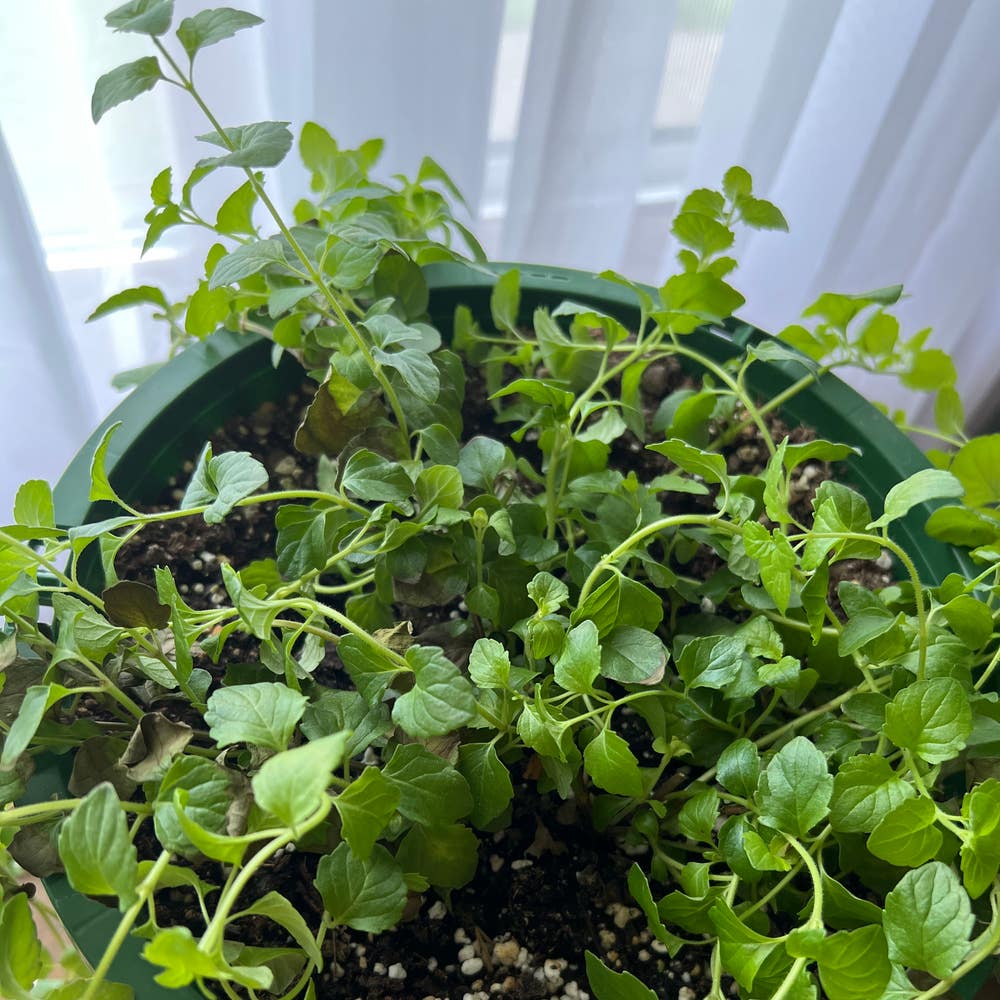
The growth habit of Indian Borage is bushy, reaching heights of up to 2 feet. Its broad, fleshy leaves are not just visually appealing; they also enhance photosynthesis efficiency, allowing the plant to harness sunlight effectively.
Environmental factors play a crucial role in its growth. Adequate sunlight, well-drained soil, and moderate watering are essential for optimal development, ensuring that Indian Borage flourishes in various garden settings.
🌼 Reproductive Strategies and Seed Production
Indian Borage employs several reproductive strategies to ensure its survival. It produces a significant number of seeds, which can thrive in diverse conditions, while also utilizing vegetative propagation methods like cuttings and offsets.
For optimal seed production, timing is key. Indian Borage typically produces seeds in late summer to early fall, thriving best when conditions are warm and dry, allowing for robust growth and reproduction.
This understanding of Indian Borage's characteristics sets the stage for exploring its differences compared to annual plants, highlighting its unique advantages in garden design and planting strategies.
Comparison with Annuals
Lifecycle Differences Between Indian Borage and True Annuals 🌱
Indian Borage, unlike true annuals, boasts a lifecycle that spans multiple years. Its growth phases are longer, allowing it to thrive and regenerate even after seasonal dieback.
In contrast, annuals complete their lifecycle in a single growing season, requiring replanting each year. Indian Borage's ability to regrow from its established root system gives it a significant advantage in resilience and sustainability.
Growth and Flowering Differences 🌼
When it comes to flowering, Indian Borage stands out with its ability to bloom across multiple seasons. This perennial plant can produce flowers repeatedly, providing a continuous source of beauty and attracting pollinators.
Annuals, however, typically flower once per season before dying off. The extended flowering period of Indian Borage not only enhances garden aesthetics but also supports local ecosystems.
Seed Production Variations 🌾
Seed production in Indian Borage is noteworthy, as it can produce a substantial quantity of seeds with high viability. This prolific nature ensures that the plant can effectively propagate itself over time.
In comparison, typical annuals may produce seeds, but often in lower quantities and with varying viability. Indian Borage's robust seed production capabilities further solidify its status as a reliable perennial choice for gardeners.
As we delve deeper into the regional variations and misconceptions surrounding Indian Borage, it's essential to understand how environmental factors can influence its perception as an annual in certain conditions.
Regional Variations and Misconceptions
🌱 Conditions Where Indian Borage May Be Treated as an Annual
In certain environments, Indian Borage might be mistakenly treated as an annual plant. This typically occurs in regions with harsh winters or poor soil conditions that hinder its growth.
Cold temperatures can severely impact the plant's ability to survive, leading gardeners to assume it cannot thrive year after year. Additionally, nutrient-deficient soils may not support the robust growth that Indian Borage is known for, further contributing to this misconception.
🤔 Common Misconceptions About Indian Borage's Lifecycle
Many people misunderstand the lifecycle of Indian Borage, often confusing it with that of annual plants. This confusion arises primarily from its seasonal dieback, which can make it appear as if the plant has completed its life cycle.
It's essential to clarify that Indian Borage is indeed a perennial. While it may die back in colder months, it has the remarkable ability to regrow each spring, showcasing its true nature as a long-lasting garden staple.
Understanding these nuances helps gardeners appreciate the resilience of Indian Borage and its potential to thrive in various conditions.
As we explore the advantages of using Indian Borage in garden design, you'll see how this perennial can enhance your gardening experience.
Garden Design and Planting Strategies
🌱 Advantages of Using Indian Borage in Perennial Planting
Incorporating Indian Borage into your perennial garden offers numerous benefits. This hardy plant thrives over the long term, providing sustainability and resilience in your garden.
One of the standout features of Indian Borage is its ability to attract pollinators and beneficial insects. By planting it, you create a vibrant ecosystem that supports not just your garden but also the local wildlife.
🏡 Integrating Indian Borage into Garden Design
When planning your garden, consider the design aspects of planting Indian Borage. Companion planting is a fantastic strategy; it pairs well with various herbs and vegetables, enhancing growth and flavor.
Optimal spacing is crucial for Indian Borage. Aim for about 12 to 18 inches between plants to allow for their bushy structure and ensure they have enough room to thrive in garden beds.
By thoughtfully integrating Indian Borage into your garden design, you can enjoy its many advantages while creating a beautiful, functional space. This approach not only enhances your garden's aesthetics but also promotes a healthy growing environment.
As you explore these planting strategies, consider how they can complement the overall health and longevity of your garden.
Management and Longevity
🌱 Tips for Managing Indian Borage as a Perennial
Caring for Indian Borage is straightforward, but a few best practices can enhance its growth. Regular pruning encourages a bushier structure, which not only looks great but also promotes healthier foliage.
Aim to prune back about one-third of the plant during the growing season. This helps stimulate new growth and keeps the plant from becoming leggy.
Watering is crucial, especially in the warmer months. Ensure the soil remains moist but not soggy, as Indian Borage prefers well-drained conditions.
Fertilization should be done sparingly. A balanced, slow-release fertilizer applied in early spring can provide the nutrients needed for robust growth.
🌼 Maximizing Longevity and Health in the Garden
To ensure your Indian Borage thrives for years, focus on pest and disease management. Regularly inspect the leaves for signs of pests like aphids or spider mites, and treat infestations promptly with organic solutions.
Seasonal care adjustments are also vital. In colder climates, consider mulching around the base to protect the roots during winter.
During the growing season, monitor for any signs of stress, such as yellowing leaves, which can indicate overwatering or nutrient deficiencies. Adjust your care routine accordingly to keep your plant healthy and vibrant.
By following these management tips, you can enjoy the beauty and benefits of Indian Borage in your garden for many seasons to come.
Next, let’s explore how to integrate Indian Borage into your garden design effectively.
⚠️ Safety First
This content is for general information and may contain errors, omissions, or outdated details. It is not medical, veterinary advice, or an endorsement of therapeutic claims.
Always consult a qualified healthcare professional before using any plant as food, medicine, or supplement.
Never eat any plant (or feed one to pets) without confirming its identity with at least two trusted sources.
If you suspect poisoning, call Poison Control (800) 222-1222, the Pet Poison Helpline (800) 213-6680, or your local emergency service immediately.
Spotted an error? Please report it here.
Grow your Indian Borage like a pro 🌱 with Greg's tailored care reminders that will help you nurture this perennial beauty for years to come!