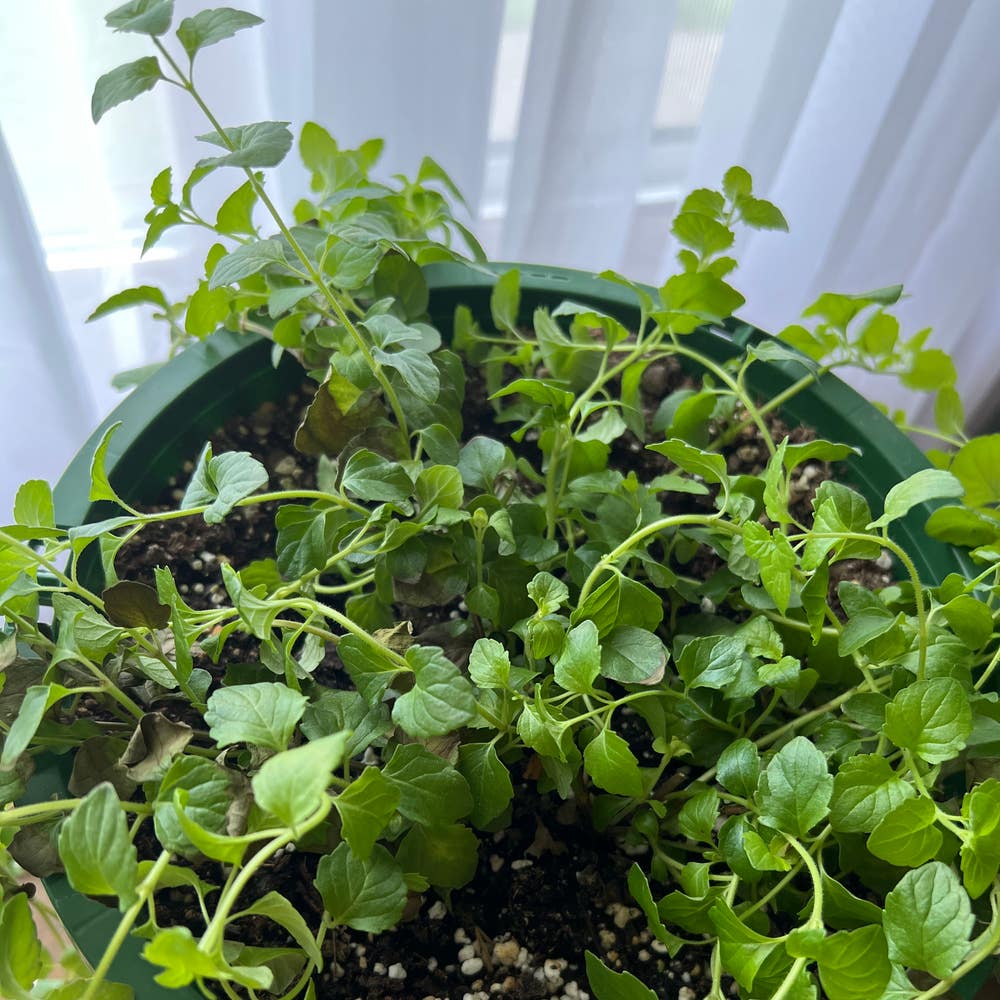
Ultimate Guide to Fixing Brown Spots on Indian Borage 💧
Coleus amboinicus
By the Greg Editorial Team
Nov 24, 2024•6 min read
This article was created with the help of AI so we can cover more plants for you. May contain errors. See one? Report it here.
Revive your Indian Borage 🌱 and prevent brown spots with these essential care tips for thriving plants!
- 💧 Overwatering and underwatering both cause brown spots; maintain a consistent watering schedule.
- 🐛 Regular pest inspections are vital to prevent damage from aphids and spider mites.
- 🌱 Nutrient deficiencies can lead to browning; use balanced fertilizers for healthy growth.
Causes of Brown Spots
💧 Overwatering and Root Rot
Overwatering is a common culprit behind brown spots on Indian Borage. Symptoms include yellowing leaves, mushy stems, and a foul smell emanating from the soil.
This condition arises when excess water leads to poor drainage and root suffocation. As a result, the plant weakens, making it more susceptible to diseases.
🌵 Underwatering and Leaf Stress
On the flip side, underwatering can also cause distress. Look for crispy, dry edges on leaves and wilting as key symptoms.
Infrequent watering leads to dehydration, stressing the plant and causing browning and reduced growth. It's crucial to find a balance in watering to keep your plant thriving.
🐜 Pest Infestations
Aphids
Aphids are tiny pests that can wreak havoc on your Indian Borage. Signs of an infestation include sticky residue on leaves, curled leaves, and the visible presence of these insects.
These pests weaken the plant and can lead to secondary infections, making early detection vital.
🕷️ Spider Mites
Another pest to watch out for is spider mites. You might notice fine webbing and stippled leaves as telltale signs of their presence.
These pests reduce photosynthesis and overall vigor, further stressing your plant.
🍄 Fungal Infections
Leaf Spot Disease
Fungal infections, particularly leaf spot disease, can cause significant damage. Look for dark brown or black spots on leaves as primary symptoms.
These fungal pathogens thrive in humid conditions, and if left untreated, they can lead to leaf drop and reduced growth.
🌱 Nutrient Deficiencies
Nitrogen Deficiency
A lack of nitrogen can manifest as yellowing leaves and stunted growth. This deficiency often stems from poor soil fertility or insufficient fertilization.
Addressing nitrogen levels is essential for maintaining plant health and vigor.
⚠️ Magnesium Deficiency
Magnesium deficiency presents itself through interveinal chlorosis, where yellowing occurs between leaf veins. This issue typically arises from imbalanced soil nutrients.
Ensuring your plant receives adequate magnesium is crucial for its overall health.
Understanding these causes of brown spots is the first step in restoring your Indian Borage to its vibrant self. Next, we’ll explore how to diagnose these issues effectively.
Diagnosing Brown Spots
🌧️ Identifying Symptoms of Overwatering
When diagnosing brown spots on your Indian Borage, start by checking for signs of overwatering. Look for yellowing leaves, mushy stems, and waterlogged soil, which indicate root rot.
To accurately assess moisture levels, consider using a soil moisture meter. This tool helps you determine if your plant is receiving too much water, allowing you to adjust your watering practices accordingly.
💧 Recognizing Signs of Underwatering
On the flip side, underwatering can also lead to brown spots. Symptoms include dry, crispy edges on leaves and overall wilting.
A simple finger test can help you gauge soil moisture. Insert your finger into the soil; if it feels dry an inch down, it’s time to water.
🐜 Spotting Pest Damage
Pests can wreak havoc on your Indian Borage, so regular inspections are crucial. Check the undersides of leaves and stems for pests like aphids and spider mites.
Signs of pest damage include distorted leaves and sticky residue on the foliage. Early detection is key to preventing further damage.
🔍 Differentiating Between Fungal and Bacterial Infections
Fungal and bacterial infections can both cause brown spots, but they have distinct symptoms. Fungal infections typically present as dark spots with yellow halos around them.
In contrast, bacterial infections may show water-soaked spots that can ooze. Knowing these differences can help you take the right action quickly.
🥦 Assessing Nutrient Deficiency Symptoms
Nutrient deficiencies can also lead to brown spots, particularly nitrogen and magnesium deficiencies. Pale green leaves and stunted growth are common indicators of nitrogen deficiency.
For magnesium deficiency, look for yellowing between leaf veins. Identifying these symptoms early can help you restore your plant’s health effectively.
By understanding these diagnostic signs, you can take proactive steps to address the underlying issues causing brown spots on your Indian Borage. Next, let’s explore effective treatment options to revive your plant and prevent future occurrences.
Treatment Options
Adjusting Watering Practices 🌊
Establishing a consistent watering schedule is crucial for the health of your Indian Borage. Monitor soil moisture regularly to determine when your plant needs water.
Using well-draining pots will help prevent water accumulation, which can lead to root rot. Always allow the top inch of soil to dry out before watering again to maintain a healthy moisture balance.
Implementing Pest Control Measures 🐛
For pest control, consider organic options like neem oil or insecticidal soap, which are effective against aphids and spider mites. If the infestation persists, targeted chemical pesticides can be used as a last resort.
Treating Fungal Infections with Fungicides 🍄
When dealing with fungal infections, apply fungicides directly to the affected areas according to the label instructions. Timing is key; apply during dry conditions to minimize the risk of further spread.
Fertilizing for Nutrient Deficiencies 🌱
To address nutrient deficiencies, use a balanced NPK fertilizer to support overall plant health. Apply this fertilizer every 4-6 weeks during the growing season for optimal results.
Pruning Affected Leaves ✂️
Pruning is essential for managing brown spots effectively. Use clean, sharp pruning shears to remove severely affected leaves, which helps prevent the spread of any issues.
By implementing these treatment options, you can significantly improve the health of your Indian Borage. Next, let’s explore preventive measures to keep your plant thriving and free from brown spots.
Preventive Measures
🌊 Best Watering Practices
To keep your Indian Borage healthy, regularly check the soil moisture and adjust your watering schedule according to the season. Water deeply but infrequently to encourage robust root growth, allowing the top inch of soil to dry out between waterings.
🪴 Soil Selection and Drainage Tips
Choosing the right soil is crucial. Opt for a well-draining potting mix that includes perlite or sand to enhance drainage and prevent waterlogging.
🐞 Regular Pest Monitoring and Control
Stay proactive with pest management by conducting weekly inspections for any signs of damage or pest activity. Introducing beneficial insects like ladybugs can help keep harmful pests at bay naturally.
🌱 Nutrient Management Strategies
Conduct soil tests to assess nutrient levels and tailor your fertilization accordingly. Incorporating organic amendments such as compost or worm castings can significantly enrich your soil and promote plant health.
☀️ Optimal Light Conditions for Growth
Ensure your Indian Borage receives bright, indirect sunlight for 6-8 hours daily. During peak summer heat, consider moving your plants to shadier spots to prevent stress and damage.
By implementing these preventive measures, you can maintain the health and vitality of your Indian Borage, reducing the likelihood of brown spots and other issues. Next, let’s dive into effective treatment options for when problems do arise.
⚠️ Safety First
This content is for general information and may contain errors, omissions, or outdated details. It is not medical, veterinary advice, or an endorsement of therapeutic claims.
Always consult a qualified healthcare professional before using any plant as food, medicine, or supplement.
Never eat any plant (or feed one to pets) without confirming its identity with at least two trusted sources.
If you suspect poisoning, call Poison Control (800) 222-1222, the Pet Poison Helpline (800) 213-6680, or your local emergency service immediately.
Spotted an error? Please report it here.
Keep your Indian Borage thriving 🌱 by using Greg's tailored watering reminders and pest management tips to prevent brown spots and ensure vibrant growth!