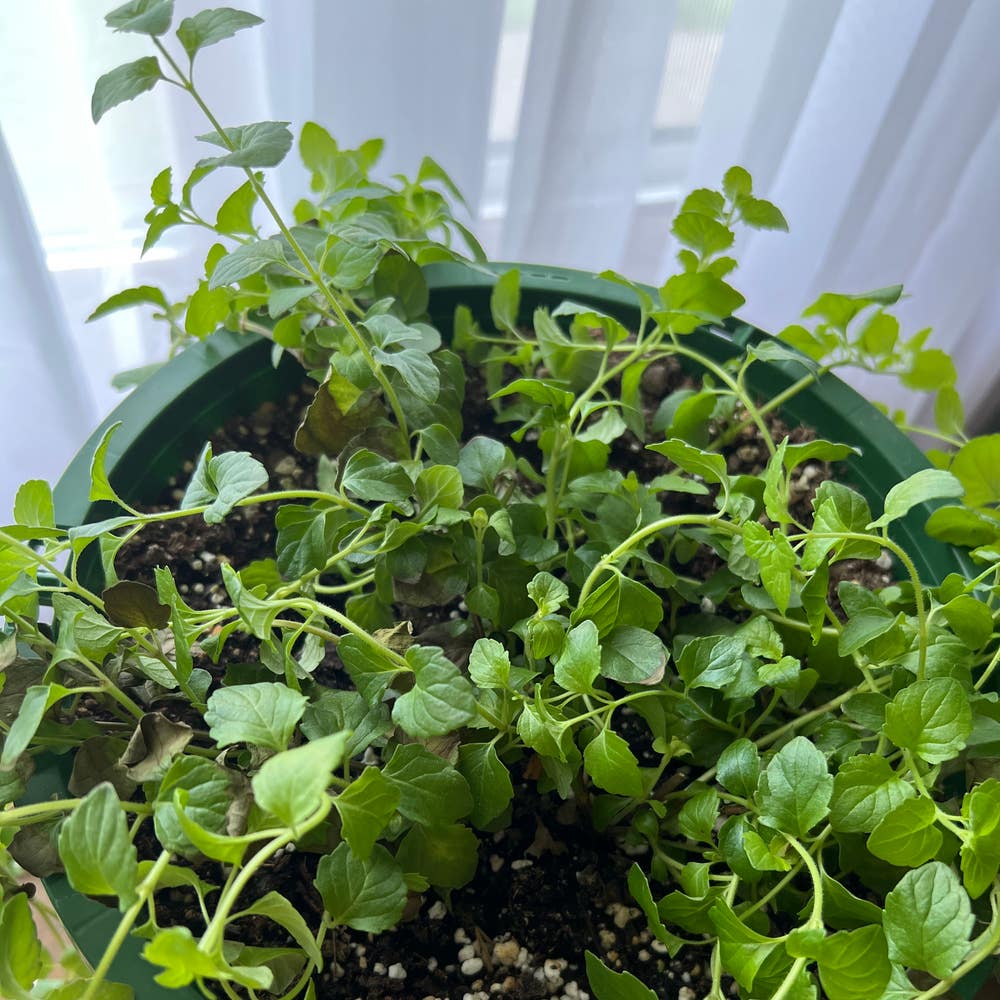
Ultimate Guide to Fixing Dropping Leaves on Cuban Oregano
Coleus amboinicus
By the Greg Editorial Team
Nov 24, 2024•6 min read
This article was created with the help of AI so we can cover more plants for you. May contain errors. See one? Report it here.
Keep your Cuban oregano lush and vibrant 🌿 by mastering the art of preventing leaf drop with these essential care tips!
- 💧 Overwatering and underwatering are primary causes of leaf drop in Cuban oregano.
- 🌱 Nutrient deficiencies lead to pale leaves; use balanced fertilizer for robust growth.
- 🌬️ Environmental stress from drafts and humidity affects plant health; maintain stable conditions.
Common Causes of Leaf Drop
💧 Overwatering
Overwatering is a common culprit behind leaf drop in Cuban oregano. Symptoms include yellowing leaves and mushy stems, which indicate that the roots are suffocating in waterlogged soil.
The consequences of overwatering can be severe, leading to root rot and a significant loss of plant vigor. If you notice these signs, it's crucial to adjust your watering habits immediately.
🚰 Underwatering
On the flip side, underwatering can also cause your Cuban oregano to shed its leaves. Look for wilting leaves and dry, crispy edges as telltale signs of this issue.
Underwatering can stunt growth and lead to leaf drop, so it's essential to find the right balance in your watering routine.
🥦 Nutrient Deficiency
Nutrient deficiencies can manifest as pale leaves and poor growth in your plant. The most common deficiencies affecting Cuban oregano are nitrogen, potassium, and magnesium.
Addressing these deficiencies is vital for maintaining healthy foliage and overall plant health. Regularly check your plant's nutrient levels to prevent these issues.
🌪️ Environmental Stress
Environmental stress can wreak havoc on your Cuban oregano, causing symptoms like leaf curling and discoloration. This stress often arises from sudden temperature changes, drafts, or low humidity levels.
To keep your plant thriving, create a stable environment that minimizes these stressors. Monitoring your plant's surroundings can help you catch potential issues before they escalate.
Understanding these common causes of leaf drop is the first step toward nurturing a healthy Cuban oregano plant. Next, let's explore effective watering practices to support your plant's growth.
Watering Practices
🚰 Signs of Overwatering
Overwatering can be a silent killer for your Cuban oregano. Look for yellowing and drooping leaves as key symptoms.
Check the soil condition; if it feels waterlogged and emits a foul odor, you might be in trouble. Additionally, inspect the roots—healthy roots should be white, while brown and mushy roots indicate rot.
💧 Signs of Underwatering
On the flip side, underwatering can also lead to distress. Crispy, dry edges on leaves and noticeable leaf drop are clear signs that your plant is thirsty.
The soil will feel dry and hard, often pulling away from the edges of the pot. If your plant is wilting and drooping, it’s time to reassess your watering routine.
🌱 Best Watering Practices
To keep your Cuban oregano thriving, follow these best watering practices:
- Check soil moisture: Use your finger or a moisture meter to gauge the soil's dampness.
- Watering frequency: Allow the top 1-2 inches of soil to dry out between waterings to prevent over-saturation.
- Drainage considerations: Ensure your pots have drainage holes to avoid water accumulation, which can lead to root rot.
By mastering these watering practices, you’ll set your Cuban oregano on the path to robust health. With the right care, your plant will flourish, paving the way for the next section on nutrient requirements.
Nutrient Requirements
Essential Nutrients 🌱
Cuban oregano thrives on a balanced diet of essential nutrients.
- Nitrogen is crucial for promoting lush leaf growth and vibrant color.
- Phosphorus supports robust root development and encourages flowering.
- Potassium enhances overall plant health and boosts stress resistance.
Identifying Nutrient Deficiencies 🔍
Recognizing nutrient deficiencies early can save your plant from serious damage.
- Nitrogen deficiency manifests as yellowing of older leaves, signaling a need for more nitrogen.
- Phosphorus deficiency shows up as dark green leaves with purple undertones, indicating a lack of this vital nutrient.
- Potassium deficiency results in leaf tip burn and browning, which can hinder your plant's overall health.
Fertilization Schedule and Methods 📅
A consistent fertilization routine is key to keeping your Cuban oregano healthy.
- Frequency: Fertilize every 4-6 weeks during the growing season to provide ongoing support.
- Fertilizer type: Use a balanced NPK fertilizer, like a 10-10-10 mix, to ensure your plant gets a well-rounded nutrient supply.
- Application method: Dilute the fertilizer in water and apply it during your regular watering sessions for best results.
By understanding and addressing your Cuban oregano's nutrient needs, you can foster a thriving plant that produces lush foliage and flavorful leaves. Next, let’s explore how to manage pests that might threaten your plant's health.
Pest Management
Common Pests 🐜
Cuban oregano can fall victim to several pests that threaten its health.
- Aphids: Look for sticky residue on leaves and curled foliage.
- Spider mites: These tiny pests leave fine webbing and create a speckled appearance on leaves.
- Whiteflies: You might notice tiny white insects lurking on the undersides of leaves.
Signs of Pest Infestation 🚨
Identifying a pest problem early can save your plant from serious damage.
- Visual indicators: Check for the presence of pests and any noticeable leaf damage.
- Behavioral signs: Increased leaf drop and stunted growth are red flags that something is amiss.
Treatment Options 🧪
If you discover pests, don't panic! There are effective treatment methods to restore your plant's health.
- Neem oil application: Spray affected areas every 7-14 days to deter pests naturally.
- Insecticidal soap: This can be applied directly to pests for effective control.
- Natural predators: Introducing ladybugs or lacewings can help manage aphid populations without chemicals.
By staying vigilant and employing these strategies, you can keep your Cuban oregano thriving and pest-free. Next, let’s explore preventive measures to maintain your plant’s health and vitality.
Preventive Measures
Best Practices 🌱
To keep your Cuban oregano thriving, regularly check for signs of stress or pests. Consistency is key; maintain a steady watering and feeding schedule to support healthy growth.
Rotating pots can also make a significant difference. This simple practice ensures that all sides of the plant receive even light exposure, promoting balanced growth.
Regular Care Routines 🗓️
Incorporate weekly inspections into your routine. During these checks, look for pests, assess leaf health, and evaluate soil moisture levels.
Pruning is another essential task. By removing dead or damaged leaves, you encourage new growth and keep your plant looking its best.
Monitoring Plant Health 📊
Consider using a plant care app to help you remember when to water and fertilize. These tools can simplify your plant care routine and keep your Cuban oregano flourishing.
Keeping a journal of your plant's growth and health changes can also be beneficial. Documenting your observations allows you to identify patterns and make informed adjustments to your care practices.
By implementing these preventive measures, you can significantly reduce the risk of leaf drop and ensure your Cuban oregano remains vibrant and healthy. Next, let's explore the nutrient requirements essential for optimal growth.
⚠️ Safety First
This content is for general information and may contain errors, omissions, or outdated details. It is not medical, veterinary advice, or an endorsement of therapeutic claims.
Always consult a qualified healthcare professional before using any plant as food, medicine, or supplement.
Never eat any plant (or feed one to pets) without confirming its identity with at least two trusted sources.
If you suspect poisoning, call Poison Control (800) 222-1222, the Pet Poison Helpline (800) 213-6680, or your local emergency service immediately.
Spotted an error? Please report it here.
Keep your Cuban oregano thriving 🌿 by using Greg's tailored watering reminders and nutrient tracking to prevent leaf drop and ensure vibrant growth!