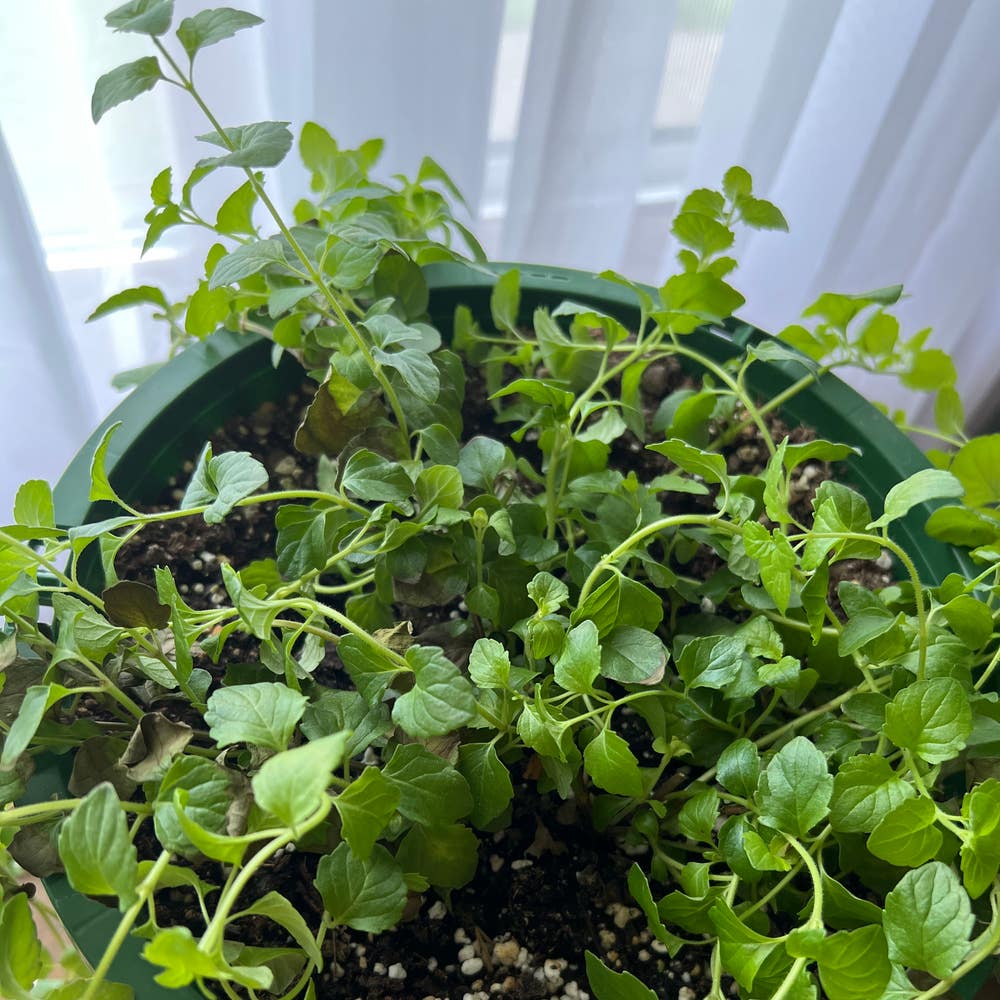
🔍 Ultimate Guide to Fixing Black Spots on Cuban Oregano
Coleus amboinicus
By the Greg Editorial Team
Nov 24, 2024•5 min read
This article was created with the help of AI so we can cover more plants for you. May contain errors. See one? Report it here.
Transform your Cuban Oregano's health 🌿 by mastering effective treatments for black spots and pests today!
- 🌱 Identify black spots as fungal or pest issues for effective treatment.
- 💧 Maintain humidity between 40-60% to prevent black spots on Cuban oregano.
- 🧴 Use neem oil or homemade sprays to combat black spots and pests organically.
Diagnosing the Problem
🦠 Differentiating Between Fungal and Pest Issues
Identifying whether your Cuban Oregano is suffering from fungal infections or pest infestations is crucial for effective treatment. Fungal infections often manifest as black spots on the leaves, which may lead to leaf drop if left untreated. Conditions like high humidity and poor air circulation can exacerbate these issues, creating a perfect storm for fungal growth.
On the other hand, pest infestations can be identified by sticky residue left by aphids or fine webbing from spider mites. These pests can weaken your plant, making it more susceptible to diseases. To diagnose the problem accurately, conduct a thorough visual inspection of your plant. Using a magnifying glass can help you spot tiny pests that might otherwise go unnoticed.
🌧️ Environmental Factors Contributing to Black Spots
Environmental factors play a significant role in the health of your Cuban Oregano. Humidity levels are particularly important; the ideal range is between 40-60%. High humidity can lead to fungal infections, while low humidity can stress the plant.
Watering practices also matter. It's recommended to water your Cuban Oregano when the top inch of soil feels dry. Overwatering can lead to root rot, while underwatering can cause leaf wilting. Look for signs of distress, such as yellowing leaves or a mushy texture, to determine if your watering habits need adjustment.
Soil conditions are equally vital. Ensure your soil has good drainage and is rich in nutrients. A well-draining potting mix will help prevent water from pooling, which can lead to root issues and black spots on the leaves. Aim for a mix that retains some moisture but allows excess water to escape easily.
By understanding these diagnostic elements, you can take the first steps toward restoring your Cuban Oregano to health. Next, we’ll explore effective treatment options to tackle these issues head-on.
Treatment Options
🌱 Organic Treatments for Black Spots
Neem Oil Application
Neem oil is a fantastic organic solution for treating black spots on Cuban oregano. To mix neem oil, combine 1-2 tablespoons of the oil with a quart of water and a few drops of dish soap to help it emulsify.
Apply this mixture using a spray bottle, ensuring you cover both the tops and undersides of the leaves. For best results, repeat this treatment every 7-14 days until you see improvement.
Homemade Remedies
Baking soda is another effective remedy for black spots. To create a baking soda solution, mix 1 tablespoon of baking soda with 1 quart of water and a few drops of dish soap. Spray this solution on affected leaves every week to help combat fungal growth.
Garlic spray is also beneficial due to its natural antifungal properties. To prepare garlic spray, blend a few cloves of garlic with water, strain the mixture, and then spray it on the leaves. This not only helps with black spots but also deters pests.
🧪 Chemical Treatments for Fungal Infections
Fungicides
If organic treatments aren't enough, consider using fungicides specifically designed for Cuban oregano. Look for products containing copper or sulfur, as these are effective against various fungal infections.
When applying fungicides, follow the manufacturer's guidelines closely. Always wear gloves and a mask to protect yourself, and avoid spraying during the hottest part of the day to prevent leaf burn.
Timing of Treatments
Timing is crucial for the effectiveness of treatments. Apply fungicides in the early morning or late afternoon when temperatures are cooler. This helps the plant absorb the treatment better and reduces the risk of evaporation.
📋 Step-by-Step Guide to Treating Affected Leaves
Identify the extent of the damage: Start by assessing which leaves are affected. Look for signs of black spots and overall leaf health.
Remove severely affected leaves: Use clean, sharp scissors to prune away any leaves that are heavily damaged. This prevents the spread of the issue to healthier parts of the plant.
Apply chosen treatment: Whether you opt for organic or chemical solutions, ensure you follow the application instructions carefully for the best results.
Monitor plant response: After treatment, keep an eye on your plant. Look for signs of improvement, such as new growth or reduced black spots, and be alert for any further issues.
With these treatment options, you can effectively tackle black spots on your Cuban oregano. Next, let’s explore preventive measures to keep your plant healthy and thriving.
Preventive Measures
🌱 Best Practices for Cuban Oregano Care
To keep your Cuban oregano thriving, focus on its ideal growing conditions. This herb prefers well-draining, nutrient-rich soil that promotes healthy root development.
Light exposure is also crucial. Cuban oregano thrives in full sun but can tolerate partial shade, making it versatile for various garden settings.
💧 Watering Techniques
Effective watering is key to preventing black spots. Water your Cuban oregano deeply but infrequently, allowing the top inch of soil to dry out between waterings.
This practice helps avoid both overwatering and underwatering, which can stress the plant and lead to fungal issues.
🌬️ Environmental Adjustments to Prevent Black Spots
Humidity control is essential for maintaining plant health. In high humidity areas, consider using dehumidifiers or fans to improve air circulation around your plants.
Container choice matters too. Opt for pots with adequate drainage holes to prevent waterlogging, and select a potting mix that retains moisture without becoming soggy.
🔍 Regular Maintenance and Monitoring
Routine inspections are vital for early detection of pests and fungal signs. Check your plants at least once a week to catch any issues before they escalate.
Additionally, keep a record of your watering schedules and any changes in plant health. This practice helps you identify patterns and adjust your care routine accordingly.
By implementing these preventive measures, you can significantly reduce the risk of black spots on your Cuban oregano, ensuring it remains healthy and vibrant. Next, let’s explore effective treatment options should problems arise.
⚠️ Safety First
This content is for general information and may contain errors, omissions, or outdated details. It is not medical, veterinary advice, or an endorsement of therapeutic claims.
Always consult a qualified healthcare professional before using any plant as food, medicine, or supplement.
Never eat any plant (or feed one to pets) without confirming its identity with at least two trusted sources.
If you suspect poisoning, call Poison Control (800) 222-1222, the Pet Poison Helpline (800) 213-6680, or your local emergency service immediately.
Spotted an error? Please report it here.
Keep your Cuban oregano spotless and thriving 🌿 by using Greg's tailored care tips to maintain optimal humidity and watering practices for success!