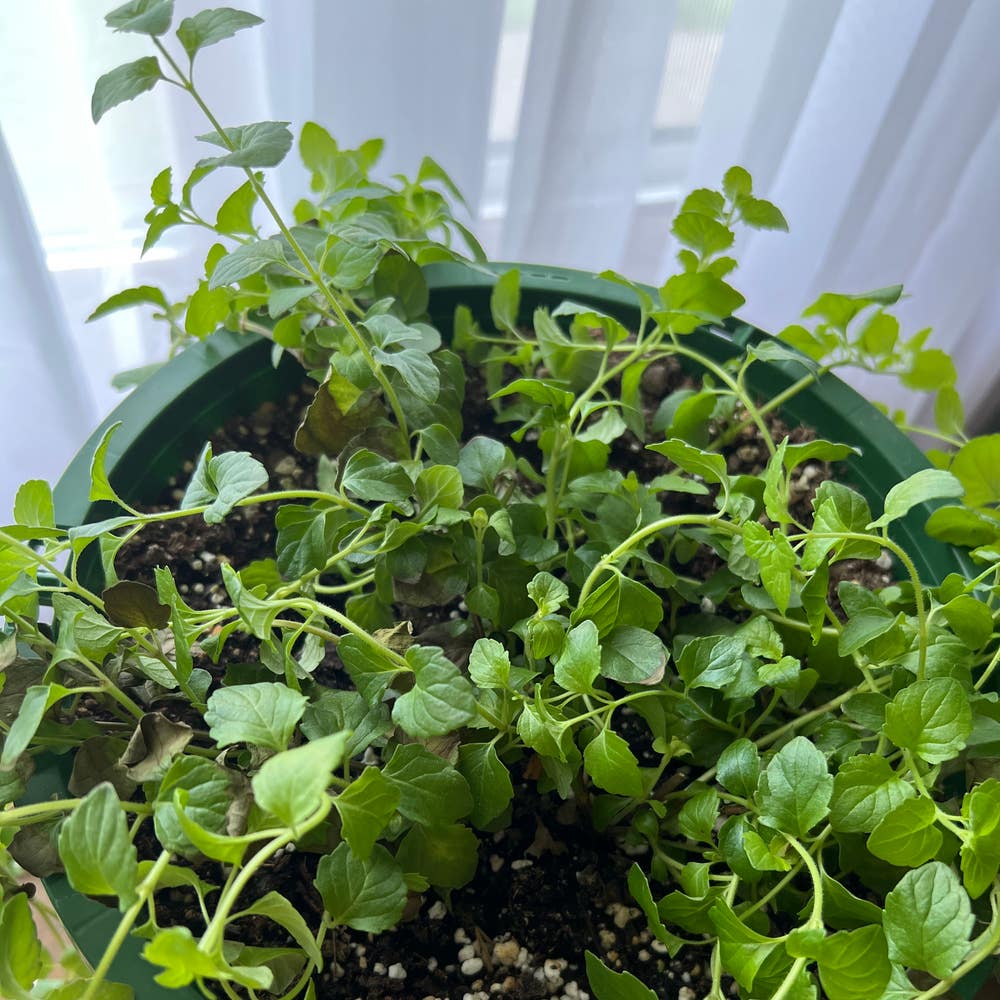
Best Soil for Indian Mint
Coleus amboinicus
By the Greg Editorial Team
Nov 06, 2024•6 min read
This article was created with the help of AI so we can cover more plants for you. May contain errors. See one? Report it here.
Transform your Indian mint into a lush powerhouse 🌱 by mastering soil pH and nutrient essentials for vibrant growth!
- 🌱 Optimal soil pH for Indian mint is between 6.0 and 7.0 for best growth.
- 🧪 Test soil pH easily with a meter or DIY methods like vinegar and baking soda.
- 🌿 Healthy soil mix includes compost, perlite, and peat moss in a 2:1:1 ratio.
Soil pH and Nutrient Needs
🌱 Ideal pH Range for Indian Mint
For optimal growth, Indian mint thrives in a soil pH range of 6.0 to 7.0. This slightly acidic to neutral condition allows the plant to absorb nutrients effectively, promoting lush foliage and robust flavor.
🔍 How to Test Soil pH
Testing your soil's pH is straightforward and can be done using various methods.
Using a Soil pH Meter
- Gather your tools: A soil pH meter, distilled water, and a sample of your soil.
- Prepare the sample: Mix equal parts soil and distilled water in a clean container.
- Insert the meter: Place the pH meter's probe into the mixture and wait for the reading.
DIY pH Testing with Vinegar and Baking Soda
- Collect soil samples: Take a small amount of soil and divide it into two containers.
- Add vinegar: Pour vinegar into one container. If it fizzes, your soil is alkaline.
- Add baking soda: In the second container, add water and baking soda. If it fizzes, your soil is acidic.
⚖️ Adjusting Soil pH for Optimal Growth
If your soil pH is outside the ideal range, adjustments are necessary for healthy mint growth.
Lowering pH (if too alkaline)
- Add sulfur: Incorporating elemental sulfur can effectively lower pH over time.
- Use peat moss: Mixing in peat moss not only lowers pH but also enhances moisture retention.
Raising pH (if too acidic)
- Incorporate lime: Agricultural lime is a common choice for raising soil pH.
- Wood ash: Adding wood ash can also help increase pH while providing potassium.
Understanding and managing soil pH is crucial for cultivating healthy Indian mint. With the right adjustments, you can create an environment that fosters growth and vitality. Next, we’ll explore how to create a homemade soil mix tailored for Indian mint.
Creating a Homemade Soil Mix
🌱 Ingredients for a Homemade Soil Mix
Creating the perfect soil mix for Indian mint is essential for its growth. The recommended components include:
- Compost: This is a powerhouse for nutrients and significantly improves soil structure.
- Perlite or Vermiculite: Both materials enhance drainage and aeration, preventing waterlogging.
- Peat Moss: It retains moisture while allowing excess water to drain, keeping the roots happy.
🛠️ Step-by-Step Guide to Mixing Soil for Indian Mint
Mixing your own soil is straightforward. Follow these easy steps:
- Gather Materials: Collect compost, perlite, and peat moss.
- Mix in a Ratio: Combine the ingredients in a ratio of 2:1:1 (compost:perlite:peat moss).
- Ensure Thorough Blending: Mix well to achieve a uniform texture throughout.
- Test the pH: Before planting, check the pH of your mix to ensure it’s suitable for mint.
🌿 Benefits of Using Organic Materials in Soil Mix
Using organic materials in your soil mix offers numerous advantages.
- It enhances soil fertility and boosts microbial activity, creating a thriving ecosystem.
- You’ll find that it reduces the need for chemical fertilizers, promoting a healthier environment.
- Additionally, organic materials improve moisture retention and drainage, ensuring your mint thrives.
By crafting a homemade soil mix, you're setting the stage for robust growth and vibrant flavors in your Indian mint. Next, let’s explore how to identify unhealthy soil conditions that could hinder your mint’s development.
Identifying Unhealthy Soil
Signs of Unhealthy Soil 🌱
Recognizing unhealthy soil is crucial for the thriving growth of Indian mint. Look for visual indicators such as moldy soil, which appears as white or gray fungal growth on the surface.
Another sign is compacted soil, characterized by a hard, dry surface that resists penetration. If you notice poor drainage, with water pooling on the surface after watering, your soil may need immediate attention.
How to Recognize Nutrient Deficiencies 🥴
Nutrient deficiencies can significantly impact your mint's health. Yellowing leaves often indicate a nitrogen deficiency, while stunted growth may suggest a lack of phosphorus.
Keep an eye on these symptoms, as they can guide you in addressing soil health issues effectively.
Common Pests and Diseases Related to Soil Health 🐛
Unhealthy soil can attract pests and diseases that threaten your mint. Root aphids are a common pest associated with poor soil conditions; they can weaken your plants and stunt their growth.
Additionally, root rot is a disease linked to inadequate drainage and overwatering. Recognizing these issues early can help you take action before they escalate, ensuring your mint remains healthy and vibrant.
With these signs and symptoms in mind, you can better maintain the health of your soil and, consequently, your Indian mint. Next, we’ll explore effective solutions for resolving soil issues.
Resolving Soil Issues
🦠 Solutions for Moldy Soil
Moldy soil can be a sign of excess moisture and poor air circulation. To tackle this issue, start by removing the affected soil and replacing it with a fresh mix.
Next, improve air circulation around your mint plants. This can be achieved by spacing them adequately and ensuring they receive enough sunlight.
🚰 How to Improve Drainage in Compacted Soil
Compacted soil can hinder root growth and water absorption. To enhance drainage, begin with aeration; use a garden fork to loosen the soil, allowing air and water to penetrate more effectively.
Additionally, consider adding organic matter such as compost or coarse sand. This not only improves drainage but also enriches the soil with nutrients.
🌱 Remediation Techniques for Nutrient-Poor Soil
If your soil lacks nutrients, regular amendments are key. Incorporate compost and organic fertilizers into your soil to boost its fertility.
Another effective strategy is crop rotation. By alternating the types of plants you grow, you can restore essential nutrients and maintain soil health over time.
With these techniques, you can ensure your Indian mint thrives in a healthy soil environment. Next, let’s explore how to maintain and care for your soil effectively.
Soil Maintenance and Care
🌱 Regular Soil Testing and Amendments
Routine soil testing is crucial for maintaining healthy soil, especially for Indian mint. Aim to test your soil every 6 to 12 months to monitor its pH, nutrient levels, and organic matter content.
Understanding these factors helps you make informed amendments. For instance, if your soil is too acidic or alkaline, you can adjust it accordingly to create the ideal growing conditions for your mint.
🍂 Seasonal Considerations for Soil Care
Adjusting your soil care practices with the changing seasons can significantly enhance your mint's growth. In spring, incorporate fresh compost into your soil before planting to boost nutrient availability.
During fall, mulching is essential. It protects the soil structure during winter and helps retain moisture, ensuring your mint is ready to thrive when the growing season returns.
🌿 Best Practices for Maintaining Healthy Soil for Indian Mint
To keep your soil in top shape, avoid overwatering, which can lead to compaction and poor drainage. Regularly monitor for pests and diseases that can affect soil health, ensuring your mint remains vibrant and productive.
By following these best practices, you create a thriving environment for your Indian mint, setting the stage for a bountiful harvest. Now that you have a solid foundation for soil maintenance, let’s explore how to identify unhealthy soil conditions.
⚠️ Safety First
This content is for general information and may contain errors, omissions, or outdated details. It is not medical, veterinary advice, or an endorsement of therapeutic claims.
Always consult a qualified healthcare professional before using any plant as food, medicine, or supplement.
Never eat any plant (or feed one to pets) without confirming its identity with at least two trusted sources.
If you suspect poisoning, call Poison Control (800) 222-1222, the Pet Poison Helpline (800) 213-6680, or your local emergency service immediately.
Spotted an error? Please report it here.
Grow flavorful Indian mint 🌿 by using Greg's tailored soil care reminders and tips to maintain the perfect pH and nutrient balance for thriving plants!