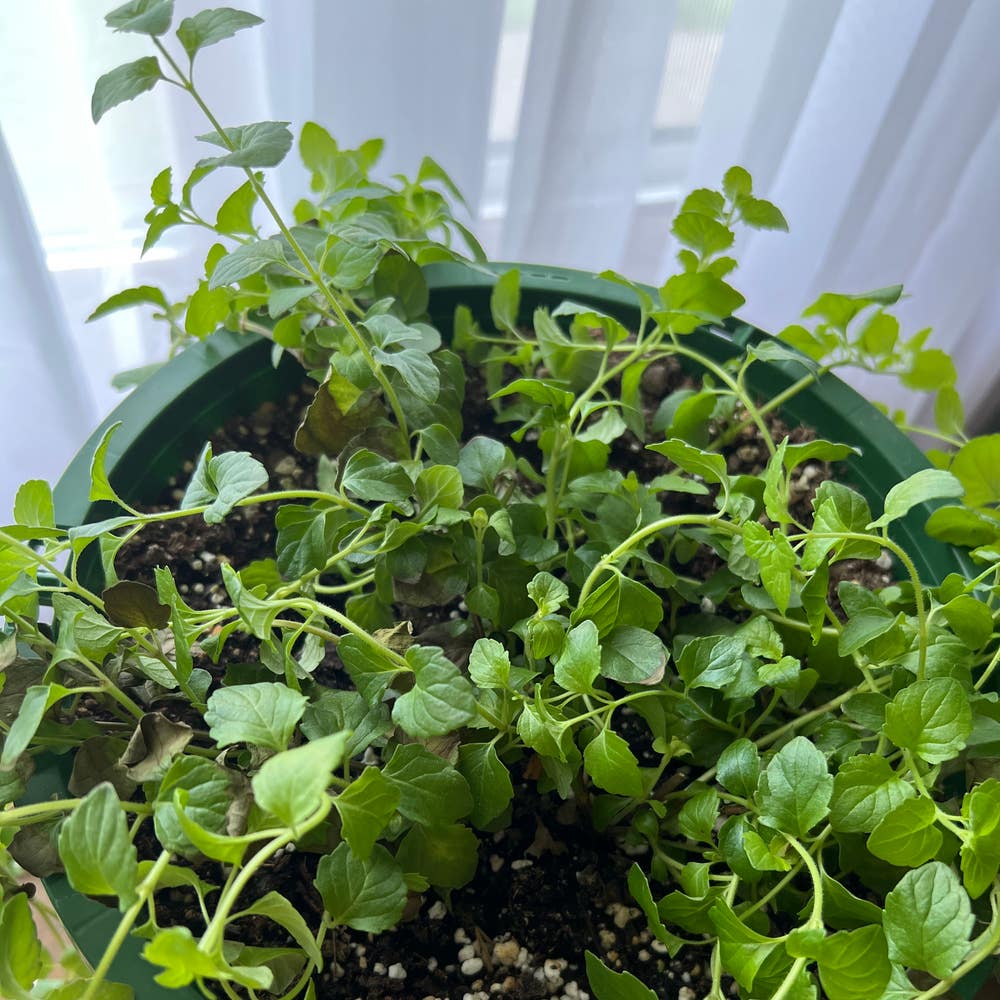
Fertilizing Your Indian Mint to Double Its Growth
Coleus amboinicus
By the Greg Editorial Team
Nov 06, 2024•4 min read
This article was created with the help of AI so we can cover more plants for you. May contain errors. See one? Report it here.
Boost your Indian mint's growth 🌱 with essential fertilizer tips and techniques for thriving plants all year round!
- 🌱 Choose between organic and synthetic fertilizers for optimal Indian mint growth.
- 🕒 Fertilize every 4-6 weeks during the growing season for best results.
- 🚫 Watch for over-fertilization symptoms like leaf burn to adjust care promptly.
Types of Fertilizers Suitable for Indian Mint
🌱 Organic vs. Synthetic Fertilizers
When it comes to fertilizing your Indian mint, you have two main options: organic and synthetic fertilizers.
Organic options include compost, well-rotted manure, and organic granular fertilizers. These choices not only improve soil structure but also promote beneficial microbial activity, creating a thriving environment for your mint.
On the other hand, synthetic fertilizers are chemical products with specific N-P-K (nitrogen, phosphorus, potassium) ratios. They offer quick nutrient availability, which can be beneficial for immediate growth, but they may lead to soil degradation over time if used excessively.
⏳ Slow-release vs. Fast-release Fertilizers
Next, consider the type of release mechanism of the fertilizers.
Slow-release fertilizers gradually provide nutrients over time, making them ideal for sustained growth. They reduce the risk of over-fertilization, allowing your mint to absorb nutrients at a steady pace.
In contrast, fast-release fertilizers deliver an immediate nutrient boost. These are best used for quick recovery or during peak growth periods when your mint needs a little extra support to thrive.
Understanding these fertilizer types will help you make informed decisions that promote robust growth in your Indian mint. Now, let’s explore how to apply these fertilizers effectively.
How to Apply Fertilizer
🌱 Best Methods for Application
Applying fertilizer correctly is crucial for the health of your Indian mint.
Top dressing is a straightforward method where you spread granular fertilizer evenly on the soil surface and lightly mix it in. This technique allows nutrients to gradually seep into the soil.
Liquid fertilization is another effective option. Simply dilute liquid fertilizer in water and apply it directly to the soil. This method ensures that nutrients are quickly available to the plant.
⏰ Timing and Frequency of Fertilization
Timing your fertilization is just as important as the method you choose.
Start with initial fertilization at planting time to help establish strong roots. This foundational step sets the stage for healthy growth.
For ongoing care, plan to fertilize every 4-6 weeks during the growing season. This regular schedule keeps your mint thriving.
As your plants grow, you may need to make adjustments based on their growth stage. During peak growth periods, consider more frequent applications to support their vigorous development.
With these methods and timings in mind, your Indian mint will flourish, setting the stage for the next section on avoiding over-fertilization.
Avoiding Over-Fertilization
🌱 Symptoms of Over-Fertilization
Over-fertilization can be detrimental to your Indian mint. One of the most common signs is leaf burn, which manifests as brown tips and edges on the leaves.
Another indicator is excessive leaf growth that lacks flavor, often a result of nitrogen overload. Additionally, if you notice reduced blooming, it may signal that your plant is overwhelmed by too many nutrients.
🔧 How to Correct Over-Fertilization
If you suspect over-fertilization, the first step is to flush the soil. Water your mint thoroughly to help leach out excess nutrients.
Next, consider adjusting your fertilization schedule. Reduce both the frequency and amount of fertilizer you apply.
Finally, keep an eye on your plant's recovery. Monitor for signs of improvement over time, and be patient as your mint bounces back to health.
By being attentive to these symptoms and taking corrective action, you can ensure your Indian mint thrives without the risks associated with over-fertilization. This proactive approach will set the stage for healthy growth as you move into the seasonal fertilization guide.
Seasonal Fertilization Guide
Fertilizing your Indian mint throughout the seasons is crucial for its growth and health. Each season presents unique opportunities to enhance your plant's vitality.
🌱 Spring Fertilization
As spring arrives and growth resumes, it's time to give your Indian mint a nutrient boost. Apply a balanced organic fertilizer or slow-release options to support robust root development.
☀️ Summer Fertilization
Mid-summer is the peak growth period for Indian mint. During this time, high-nitrogen fertilizers are recommended to promote lush leaf production and overall vigor.
🍂 Fall Fertilization
As summer transitions to fall, it's essential to prepare your mint for dormancy. Apply low-nitrogen, high-phosphorus fertilizers in late summer to strengthen the plant for the winter ahead.
❄️ Winter Considerations
In winter, your mint's fertilization needs are minimal. Focus on improving soil health by incorporating organic matter, which will set the stage for vigorous growth come spring.
By following this seasonal fertilization guide, you can ensure your Indian mint thrives throughout the year. Next, let’s explore how to apply fertilizer effectively for optimal results.
⚠️ Safety First
This content is for general information and may contain errors, omissions, or outdated details. It is not medical, veterinary advice, or an endorsement of therapeutic claims.
Always consult a qualified healthcare professional before using any plant as food, medicine, or supplement.
Never eat any plant (or feed one to pets) without confirming its identity with at least two trusted sources.
If you suspect poisoning, call Poison Control (800) 222-1222, the Pet Poison Helpline (800) 213-6680, or your local emergency service immediately.
Spotted an error? Please report it here.
Unlock your Indian mint's full potential with tailored fertilization tips 🌿 from Greg, ensuring it thrives all year round!