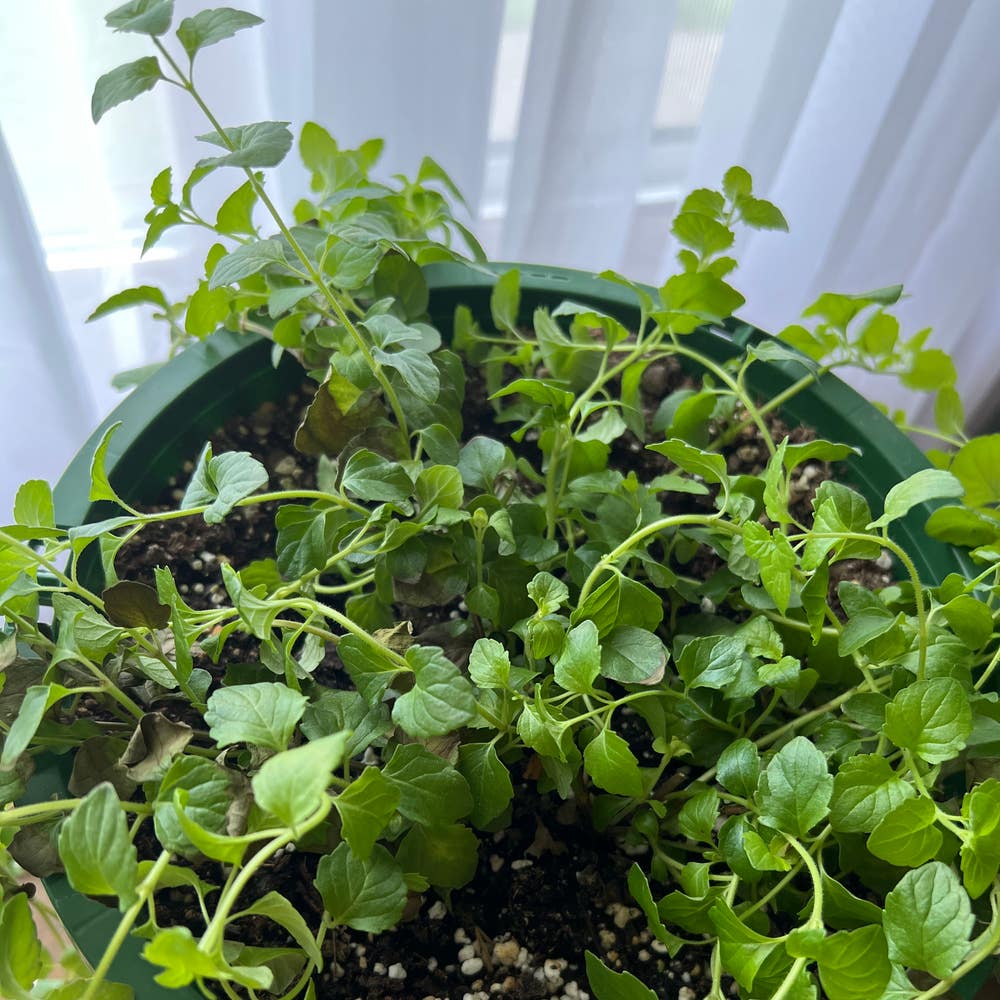
How to Cure Brown Spots on Your Indian Mint 🩹
Coleus amboinicus
By the Greg Editorial Team
Nov 06, 2024•7 min read
This article was created with the help of AI so we can cover more plants for you. May contain errors. See one? Report it here.
Revive your Indian mint by tackling those stubborn brown spots with expert tips! 🌱
- 🌱 Brown spots on Indian mint stem from pests, diseases, and environmental stressors.
- ☀️ Sunburn causes crispy edges; ensure 4-6 hours of sunlight daily for healthy growth.
- 🐜 Control pests like aphids with insecticidal soap for vibrant, thriving mint plants.
Causes of Brown Spots
🌤️ Environmental Stressors
Sunburn
Brown spots on your Indian mint can often be traced back to sunburn. Symptoms include brown, crispy edges on leaves, which occur due to excessive direct sunlight exposure.
Temperature Fluctuations
Another culprit is temperature fluctuations. You might notice sudden browning or wilting of leaves, especially during rapid changes in temperature, such as seasonal transitions.
🐛 Pests Affecting Indian Mint
Aphids
Aphids are notorious pests that can wreak havoc on your mint plants. Signs of infestation include a sticky residue known as honeydew and curled leaves, leading to leaf discoloration and stunted growth.
Spider Mites
Spider mites are another threat to your Indian mint. Look for fine webbing and a stippled appearance on leaves, which indicate damage that results in yellowing and browning of leaf tissue.
🍄 Fungal Infections
Powdery Mildew
Powdery mildew is a common fungal infection that manifests as white powdery spots on leaves. This condition thrives in high humidity and poor air circulation, ultimately leading to browning.
Leaf Spot Disease
Leaf spot disease presents as dark brown or black spots on leaves. Fungal pathogens thrive in damp conditions, making it essential to monitor moisture levels around your plants.
🥦 Nutrient Deficiencies
Nitrogen Deficiency
A nitrogen deficiency can cause yellowing leaves accompanied by brown spots. This deficiency impacts growth and reduces the overall quality of your mint leaves.
Potassium Deficiency
Marginal browning of leaves may signal a potassium deficiency. This deficiency weakens the plant structure and increases its susceptibility to diseases.
💧 Watering Issues
Overwatering
Overwatering can lead to wilting, yellowing, and brown spots on leaves. Poor drainage often causes root rot, which is detrimental to your plant's health.
Underwatering
On the flip side, underwatering results in dry, crispy leaves with brown spots. Inconsistent watering practices can lead to significant stress for your Indian mint.
Understanding these causes is crucial for effective treatment and prevention. By addressing these issues, you can help your Indian mint thrive and maintain its vibrant health.
Diagnosing Brown Spots
🕵️ Identifying Symptoms of Brown Spots
To effectively diagnose brown spots on your Indian mint, start with a visual inspection. Look for distinct patterns in discoloration and the texture of the leaves.
Next, consider the leaf location. Are the spots appearing on older leaves or newer growth? This can provide clues about the underlying issue.
🐛 Differentiating Between Pest Damage and Disease
Understanding the difference between pest damage and disease is crucial. Pest damage tends to be localized, often accompanied by visible insects or webs on the leaves.
In contrast, disease symptoms are usually more widespread. You might notice additional signs like mold or rot, indicating a more serious problem.
🌦️ Assessing Environmental Conditions
Environmental conditions play a significant role in the health of your Indian mint. Start by checking sunlight exposure; ensure your plant isn’t receiving excessive direct sunlight, which can lead to sunburn.
Also, monitor temperature fluctuations. Keeping track of these changes can help you identify stressors that may be affecting your plant's health.
By carefully diagnosing these factors, you can take the necessary steps to restore your Indian mint to its vibrant state. Next, let’s explore effective treatment options to address these brown spots.
Treatment Options
🌱 Organic Treatments for Fungal Infections
Fungal infections can wreak havoc on your Indian mint, but organic treatments can help restore its health. One effective method is applying neem oil; simply spray it on the affected leaves every 7-14 days to combat the fungus.
Another option is a baking soda solution. Mix 1 tablespoon of baking soda with water and spray it on the leaves to create an environment less favorable for fungal growth.
🐞 Insecticidal Soap for Pest Control
To tackle pest infestations, insecticidal soap is a reliable choice. Spray it directly on the pests every 5-7 days until you see control over the infestation.
Make sure to cover both the upper and lower surfaces of the leaves thoroughly. This ensures that you reach all the pests hiding in those hard-to-see areas.
💧 Adjusting Watering Practices
Watering practices play a crucial role in the health of your Indian mint. Establish a consistent watering schedule by checking the top inch of soil; water when it feels dry to the touch.
Additionally, implementing proper drainage solutions is vital. Use pots with drainage holes and well-draining soil to prevent waterlogging, which can lead to root rot.
🌿 Fertilization Strategies to Address Nutrient Deficiencies
Nutrient deficiencies can also lead to brown spots on your mint. To address nitrogen deficiency, apply balanced fertilizers every 4-6 weeks during the growing season.
For potassium deficiencies, consider using potassium-rich fertilizers. These supplements will enhance leaf health and overall plant vigor, helping your mint thrive.
With these treatment options, you can effectively manage brown spots and keep your Indian mint healthy and vibrant. Next, let’s explore preventive measures to ensure your plant stays in top shape all year round.
Preventive Measures
🌊 Best Practices for Watering Indian Mint
Watering your Indian mint properly is crucial for its health. Aim to water deeply but infrequently, allowing the soil to dry out between sessions to encourage deep root growth.
Ensure your pots have adequate drainage to avoid waterlogged conditions. This simple step can prevent root rot and keep your mint thriving.
☀️ Ideal Sunlight Conditions for Healthy Growth
Indian mint loves sunlight but needs the right balance. Aim for full sun to partial shade, providing 4-6 hours of direct sunlight each day.
Keep an eye out for signs of sunburn, like crispy leaf edges. If you notice these symptoms, consider adjusting the plant's placement to reduce stress.
🌱 Soil Amendments to Improve Drainage and Nutrients
The right soil can make all the difference for your mint. Use well-draining loamy soil enriched with organic matter to provide essential nutrients.
To enhance drainage further, incorporate perlite or sand into your soil mix. This will help prevent water retention issues and promote healthy root development.
🕵️♂️ Regular Monitoring for Pests and Diseases
Stay proactive by regularly inspecting your Indian mint for pests and diseases. Conduct weekly checks to spot any signs of trouble on the leaves.
Early intervention is key to preventing the spread of issues. Address any problems promptly to keep your mint healthy and vibrant.
By following these preventive measures, you can cultivate a flourishing Indian mint plant that stays resilient against brown spots and other issues. Next, let’s explore seasonal considerations to ensure your mint thrives year-round.
Seasonal Considerations
🌦️ Seasonal Changes Affecting Brown Spots
As the seasons shift, your Indian mint may face unique challenges. In spring, the plant experiences a growth surge, which can attract pests eager to take advantage of the new foliage.
During the summer, keep a close eye on your mint. The heat can lead to sunburn, so ensure it receives adequate water to cope with the increased temperatures.
❄️ Winter Care to Prevent Stress
When winter arrives, it's crucial to protect your mint from harsh conditions. Consider moving your plants indoors or providing frost protection to shield them from freezing temperatures.
Additionally, adjust your watering routine during this dormant period. Overwatering can lead to root rot, so be mindful of moisture levels.
🌱 Spring Growth and Preventive Measures
As spring rolls back around, it's time to kickstart your fertilization routine. Resume feeding your Indian mint to support its growth as it emerges from dormancy.
Also, ramp up your pest monitoring efforts. With rising temperatures, pests become more active, so early detection is key to keeping your mint healthy and thriving.
⚠️ Safety First
This content is for general information and may contain errors, omissions, or outdated details. It is not medical, veterinary advice, or an endorsement of therapeutic claims.
Always consult a qualified healthcare professional before using any plant as food, medicine, or supplement.
Never eat any plant (or feed one to pets) without confirming its identity with at least two trusted sources.
If you suspect poisoning, call Poison Control (800) 222-1222, the Pet Poison Helpline (800) 213-6680, or your local emergency service immediately.
Spotted an error? Please report it here.
Transform your Indian mint from spotty to stunning 🌱 by using Greg's tailored watering schedules and pest control tips to keep your plant healthy and thriving!