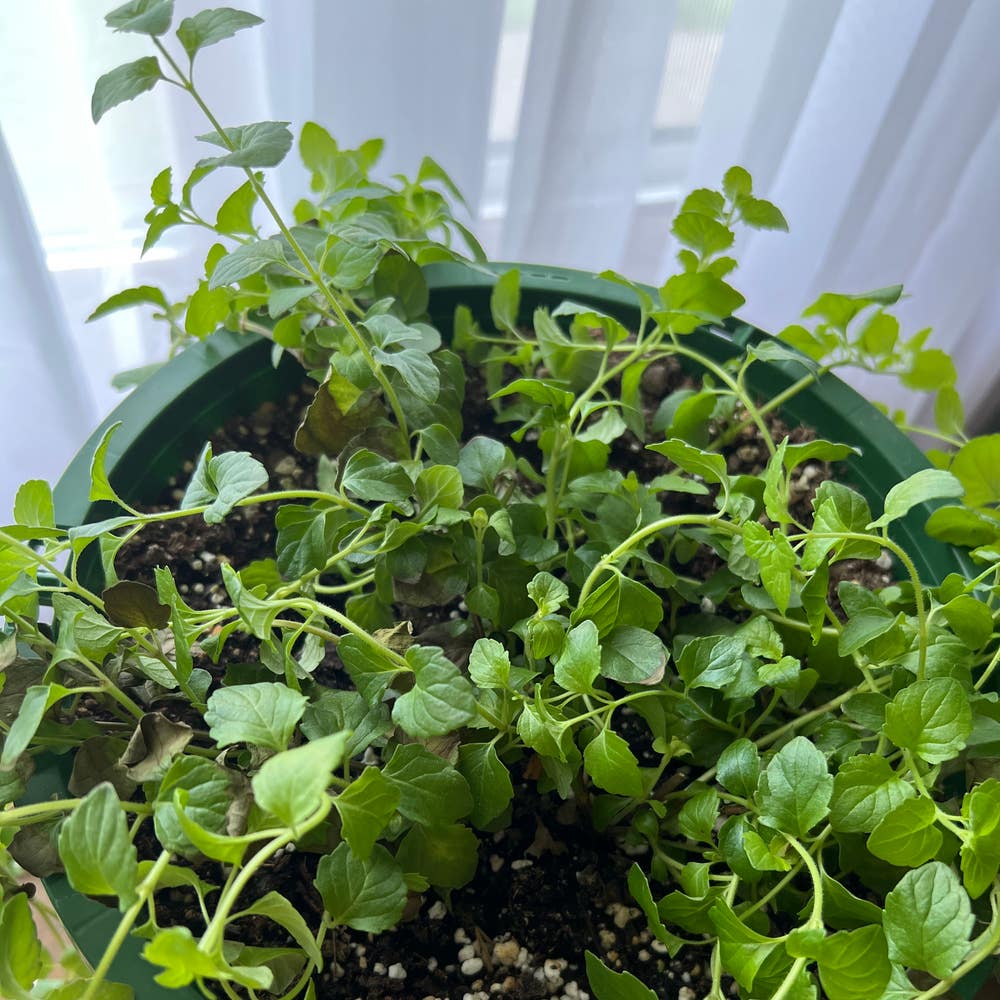
🌡 Optimal Temperature for Your Indian Mint
Coleus amboinicus
By the Greg Editorial Team
Nov 06, 2024•5 min read
This article was created with the help of AI so we can cover more plants for you. May contain errors. See one? Report it here.
Unlock vibrant Indian mint growth 🌱 by mastering temperature management for every season's challenges!
- 🌡️ Temperature stress affects Indian mint—cold causes yellowing, heat leads to wilting.
- 🌱 Optimal growth occurs between 60°F to 75°F; monitor conditions closely.
- 🛡️ Use protective covers and shade to combat cold and heat stress effectively.
Temperature Stress in Indian Mint
🌡️ Signs of Temperature Stress
Temperature stress can significantly impact your Indian mint's health.
Cold stress indicators include yellowing leaves, drooping stems, and slowed growth. If you notice these signs, your mint may be struggling with low temperatures.
On the other hand, heat stress indicators manifest as wilting, crispy leaf edges, and diminished flavor. These symptoms suggest your mint is suffering from excessive heat.
🔍 Causes of Temperature Stress
Understanding the causes of temperature stress is crucial for effective care.
Cold stress often results from sudden temperature drops or prolonged exposure to frost. If your mint is left unprotected during chilly nights, it can suffer.
Heat stress typically occurs when temperatures exceed 85°F (29°C) for extended periods, especially if the plant lacks sufficient water. Keeping an eye on the weather can help you prevent this issue.
🚀 Recovery Strategies for Stressed Indian Mint
If your Indian mint shows signs of temperature stress, don't worry—there are recovery strategies you can implement.
For cold stress, consider moving your mint indoors or using protective covers during frost. This simple action can shield your plant from harsh conditions.
In cases of heat stress, provide shade, increase watering frequency, and apply mulch to retain soil moisture. These steps can help your mint bounce back and thrive.
By recognizing the signs and causes of temperature stress, you can take proactive measures to ensure your Indian mint remains healthy and vibrant. Next, let’s explore how seasonal temperature variations affect your mint's care.
Seasonal Temperature Considerations
🌡️ Temperature Variations Throughout the Year
Understanding the seasonal temperature variations is crucial for optimal Indian mint growth.
Spring: This season offers ideal planting temperatures, typically between 60°F to 75°F. It's the perfect time to sow seeds and watch your mint thrive.
Summer: As temperatures can soar above 85°F (29°C), it's essential to monitor your plants closely for signs of heat stress. Keeping an eye on your mint during these hot months ensures it remains healthy and flavorful.
Fall: With cooler temperatures approaching, it's time to prepare for potential frost. Gradually adjusting your care routine will help your mint transition smoothly into the colder months.
🌱 Adjusting Care Based on Seasonal Temperature Changes
Adapting your care routine according to the seasons can significantly impact your Indian mint's health.
Spring Care: As temperatures rise, increase your watering and consider fertilizing to support robust growth. This is the time to give your mint the nutrients it craves.
Summer Care: During heat waves, boost your watering frequency and provide shade to protect your mint from wilting. Keeping the soil moist is key to maintaining flavor and vitality.
Fall Care: As temperatures drop, gradually reduce watering. This helps your mint acclimate to the cooler weather and prepares it for winter dormancy.
By adjusting your care based on seasonal temperature changes, you can ensure your Indian mint remains vibrant and productive year-round. This proactive approach sets the stage for a thriving herb garden, ready to flourish with the changing seasons.
Geographic Considerations
Best Climates for Growing Indian Mint 🌱
Indian mint thrives best in temperate climates. These regions offer moderate seasonal changes, providing the ideal conditions for robust growth.
Avoid areas with extreme heat or prolonged cold spells. Such environments can hinder the plant's development and overall health.
Regional Temperature Impacts on Indian Mint Growth 🌡️
In northern regions, the growing season tends to be shorter. This can lead to potential frost damage, which is detrimental to the mint's vitality.
Conversely, southern regions face the risk of heat stress during peak summer months. High temperatures can affect the flavor and quality of your mint, making careful monitoring essential.
Understanding these geographic considerations helps you create the best environment for your Indian mint. With the right conditions, your mint can flourish beautifully, ready to enhance your culinary creations.
Temperature Management Techniques
🌡️ Methods to Regulate Temperature for Indoor Indian Mint
Keeping your Indian mint thriving indoors requires a few strategic moves. Grow lights are a fantastic way to maintain warmth during the cooler months, ensuring your plant gets the light it craves.
Positioning your mint near windows can also harness natural light and warmth. Just be sure to monitor indoor temperatures with thermometers to avoid any drastic fluctuations that could stress your plant.
❄️ Outdoor Temperature Protection Strategies for Indian Mint
When it comes to outdoor care, protecting your Indian mint from temperature extremes is key. During cold snaps, using row covers or cloches can provide essential insulation, safeguarding your plants from frost.
Mulching is another effective strategy; it helps insulate the soil and retain moisture, creating a more stable environment for your mint. On the flip side, during extreme heat, providing shade cloth can prevent wilting and keep your mint happy and healthy.
By implementing these temperature management techniques, you can ensure your Indian mint flourishes, regardless of the season. Next, let’s explore how seasonal temperature changes affect your mint care routine.
⚠️ Safety First
This content is for general information and may contain errors, omissions, or outdated details. It is not medical, veterinary advice, or an endorsement of therapeutic claims.
Always consult a qualified healthcare professional before using any plant as food, medicine, or supplement.
Never eat any plant (or feed one to pets) without confirming its identity with at least two trusted sources.
If you suspect poisoning, call Poison Control (800) 222-1222, the Pet Poison Helpline (800) 213-6680, or your local emergency service immediately.
Spotted an error? Please report it here.
Keep your Indian mint thriving year-round 🌿 by using Greg's tailored reminders and tips to navigate temperature challenges with ease!