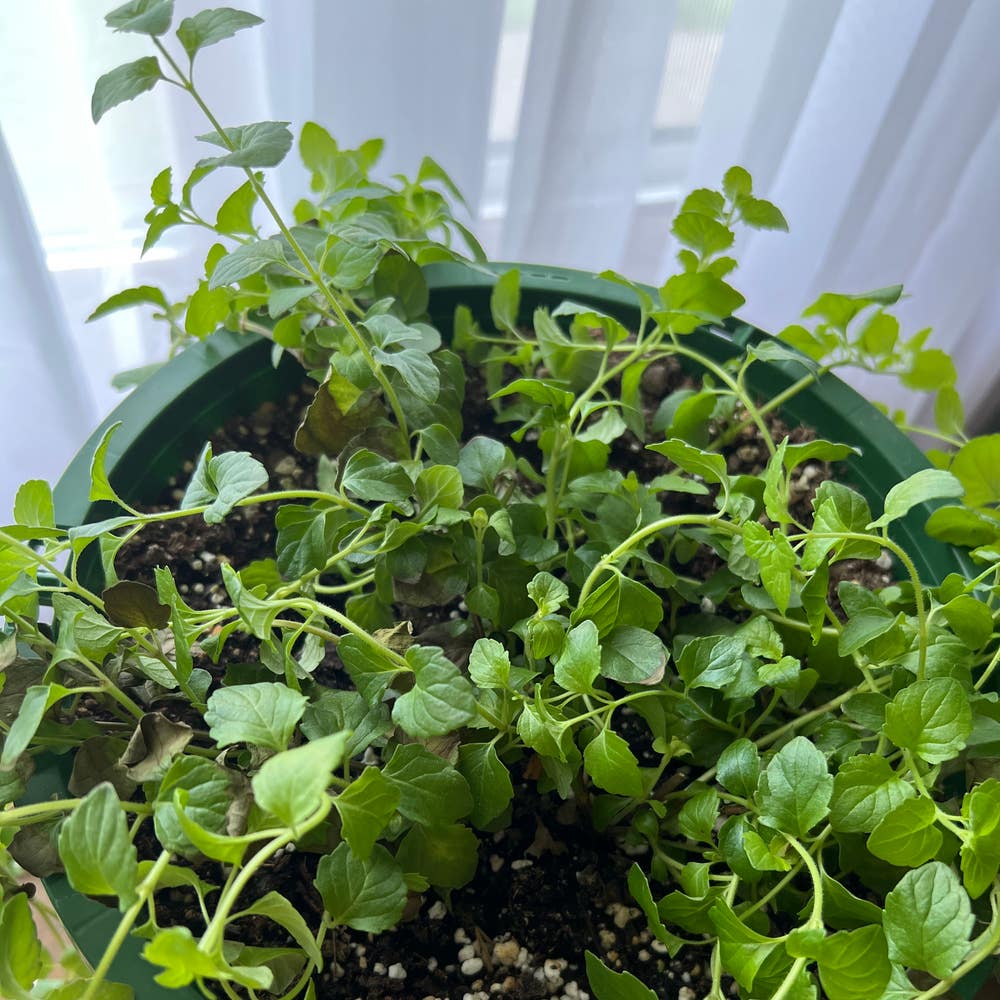
💧 8 Tips for Watering Your Indian Mint
Coleus amboinicus
By the Greg Editorial Team
Nov 06, 2024•5 min read
This article was created with the help of AI so we can cover more plants for you. May contain errors. See one? Report it here.
Unlock vibrant growth and flavor in your Indian mint 🌱 with expert watering tips for year-round success!
- 💧 Water Indian mint every 1-2 weeks during the growing season for optimal health.
- 🌞 Hot, dry spells require more frequent watering; adjust based on light conditions.
- 🌱 Check soil moisture regularly to prevent over- or under-watering issues.
Recommended Watering Schedule
🌊 General Watering Frequency
To keep your Indian mint thriving, aim to water it every 1-2 weeks during the growing season. If you notice hot, dry spells or if your plant is basking in full sun, don’t hesitate to increase the frequency.
📏 Factors Affecting Watering Frequency
💡 Light Conditions
The amount of light your mint receives plays a crucial role in its watering needs. Plants in full sun typically require more frequent watering compared to those in partial shade.
🌡️ Temperature and Humidity
High temperatures can quickly dry out the soil, so be prepared to increase your watering frequency. Additionally, low humidity levels can lead to faster evaporation, making it essential to monitor soil moisture closely.
By understanding these factors, you can ensure your Indian mint receives the right amount of water, promoting healthy growth and vibrant flavor. Next, we’ll explore how to recognize watering issues that could affect your plant’s health.
Recognizing Watering Issues
🚰 Signs of Over-Watering
Over-watering can be a sneaky problem for your Indian mint. One of the first signs to look for is yellowing leaves, which often indicates excess moisture and the potential for root rot.
If you notice mushy roots or a foul smell coming from the soil, it's a clear sign of root rot. This condition can be detrimental to your plant's health, so it's crucial to act quickly.
💧 Signs of Under-Watering
On the flip side, under-watering can also stress your Indian mint. Watch for wilting leaves; they may droop or curl when the plant lacks moisture.
Another telltale sign is dry soil that pulls away from the edges of the pot. If the soil feels dry to the touch, it's time to give your mint a drink.
Recognizing these watering issues early can help you maintain a healthy and thriving plant. Next, let’s explore effective watering techniques to keep your Indian mint happy and hydrated.
Watering Techniques
🌊 Bottom-Watering Method
Watering from the bottom is a fantastic technique for ensuring your Indian mint gets the moisture it craves. This method allows the plant to absorb water through its drainage holes, promoting healthier root growth.
To bottom-water effectively, follow these simple steps:
- Fill a basin with water.
- Place the pot in the basin and let it soak for 15-30 minutes.
- Remove the pot and allow any excess water to drain away.
This approach not only hydrates the plant but also helps prevent over-watering, which can be a common pitfall for many gardeners.
💧 Self-Watering Pots
Self-watering pots are another excellent option for maintaining consistent moisture levels in your Indian mint. These pots feature built-in reservoirs that allow plants to draw water as needed, reducing the risk of over-watering.
When choosing a self-watering pot, look for features like:
- A clear reservoir to monitor water levels.
- A wicking system that draws moisture up to the soil.
- Drainage holes to prevent waterlogging.
Using self-watering pots can simplify your plant care routine, making it easier to keep your mint thriving without constant attention.
With these watering techniques, you can ensure your Indian mint stays healthy and vibrant, ready to add flavor to your dishes. Next, let’s explore how to measure soil moisture effectively to fine-tune your watering practices.
Measuring Soil Moisture
🌱 How to Check Soil Moisture Levels
Keeping an eye on your Indian mint's soil moisture is crucial for its health. Start with a simple visual inspection: look for dry soil and wilting leaves, which are clear indicators that your plant needs water.
For a more hands-on approach, try the finger test. Insert your finger into the soil up to 2 inches; if it feels dry, it’s time to water. This quick check can save your plant from unnecessary stress.
📏 Tools for Measuring Moisture
If you want to take the guesswork out of watering, consider using moisture meters. These handy tools provide accurate readings of soil moisture levels, ensuring your mint gets just the right amount of water.
When comparing tools, moisture meters have their advantages, but the finger test is always accessible and requires no extra investment. Each method has its pros and cons, so choose what works best for your gardening style.
With these moisture-checking techniques, you'll be well-equipped to keep your Indian mint thriving. Next, let’s explore how to adjust your watering practices throughout the seasons.
Adjusting Watering Practices
🌦️ Seasonal Adjustments
As the seasons change, so should your watering routine for Indian mint. During spring and summer, when the plant is actively growing, increase your watering frequency to keep up with its thirst.
In contrast, as fall and winter approach, the plant enters dormancy. This means you should reduce watering, allowing the soil to dry out more between sessions.
📱 Using the Greg Plant Care App
To simplify your watering schedule, consider using the Greg Plant Care app. This handy tool allows you to set reminders tailored to your plant's specific needs.
You can easily customize these reminders based on environmental changes or the growth stages of your Indian mint. This way, you’ll never forget to give your plant the care it deserves.
With these adjustments, your Indian mint will thrive throughout the year, ensuring a lush and vibrant herb garden. Next, let’s explore how to measure soil moisture effectively to keep your watering practices on point.
⚠️ Safety First
This content is for general information and may contain errors, omissions, or outdated details. It is not medical, veterinary advice, or an endorsement of therapeutic claims.
Always consult a qualified healthcare professional before using any plant as food, medicine, or supplement.
Never eat any plant (or feed one to pets) without confirming its identity with at least two trusted sources.
If you suspect poisoning, call Poison Control (800) 222-1222, the Pet Poison Helpline (800) 213-6680, or your local emergency service immediately.
Spotted an error? Please report it here.
Keep your Indian mint thriving 🌿 with these watering tips, and let Greg's customized reminders ensure you always water just right for a flavorful harvest!