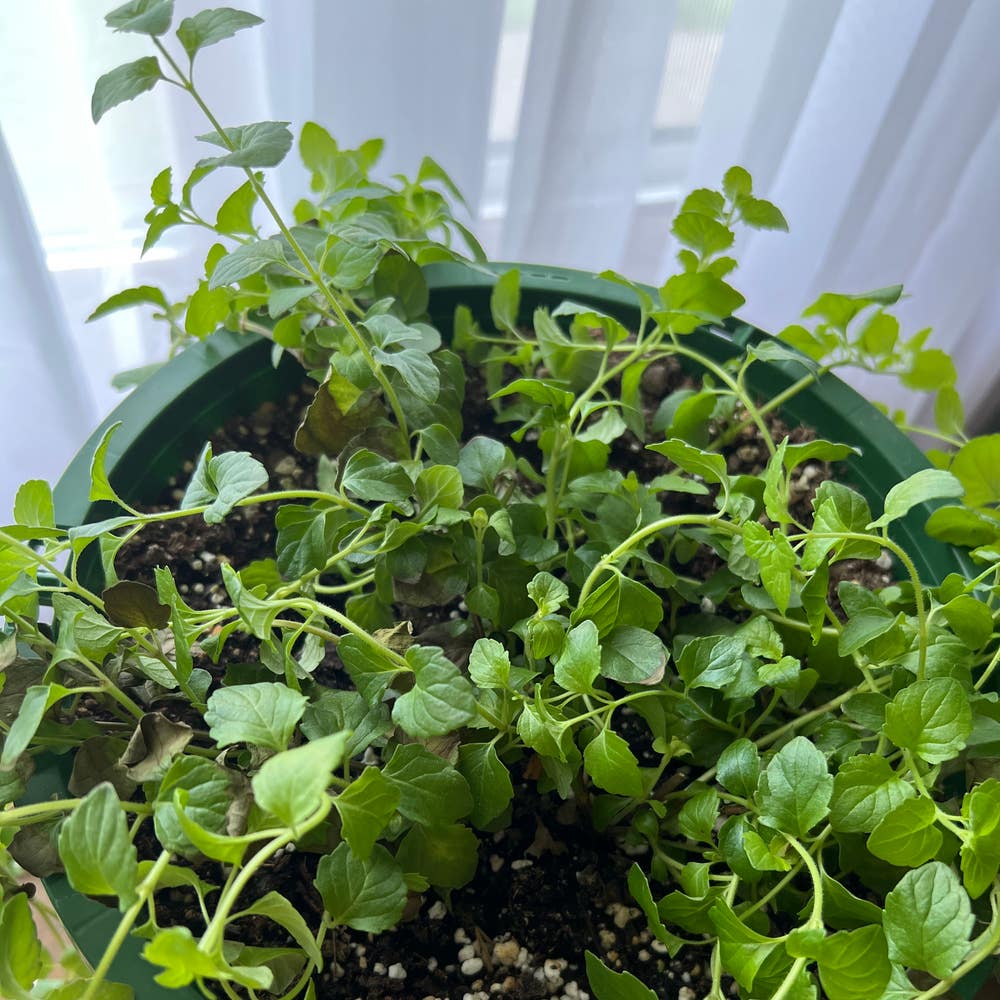
Understanding Why Your Indian Mint Has Yellow Leaves 🌿
Coleus amboinicus
By the Greg Editorial Team
Nov 06, 2024•6 min read
This article was created with the help of AI so we can cover more plants for you. May contain errors. See one? Report it here.
Transform your mint's yellow leaves back to green 🌱 with essential care tips and diagnosis techniques!
- 🌱 Yellow leaves indicate issues: overwatering, underwatering, pests, or nutrient deficiencies.
- 💧 Adjust watering and drainage to prevent root rot and promote healthy growth.
- 🐛 Inspect for pests like aphids; treat promptly to protect your mint plant.
Common Causes of Yellow Leaves
💧 Overwatering Mint
Overwatering is a common issue for mint plants, leading to yellow leaves, wilting, and even root rot. This typically occurs due to poor soil drainage or watering too frequently.
🌵 Underwatering and Drought Stress
On the flip side, underwatering can also cause yellowing. Symptoms include dry, crispy leaves with yellowing at the edges, often resulting from infrequent watering or dry environmental conditions.
🥦 Nutrient Deficiencies
Nutrient deficiencies can significantly affect your mint's health, particularly nitrogen and iron deficiencies.
Nitrogen Deficiency
Nitrogen deficiency manifests as general yellowing of older leaves. This often stems from poor soil fertility or a lack of fertilization.
Iron Deficiency
Iron deficiency presents as yellowing between leaf veins while the veins themselves remain green. High soil pH and poor nutrient uptake are common causes.
🐛 Pest Infestations
Pests can wreak havoc on your mint, leading to yellow leaves and other distress signals.
Aphids
Aphids are notorious for causing curling leaves and leaving a sticky residue. They weaken the plant, leading to yellowing due to stress.
Spider Mites
Spider mites create fine webbing and stippled yellow leaves. These pests thrive in dry conditions and can severely weaken plant health.
🍄 Fungal Diseases
Fungal diseases can also contribute to yellow leaves, with root rot and powdery mildew being two significant culprits.
Root Rot
Root rot causes wilting and yellowing leaves, even when the plant is adequately watered. This condition arises from overwatering and poorly draining soil.
Powdery Mildew
Powdery mildew is identifiable by white powdery spots on leaves, accompanied by yellowing. High humidity and poor air circulation often lead to this issue.
Understanding these common causes of yellow leaves is crucial for maintaining a healthy mint plant. By identifying the symptoms and their underlying causes, you can take proactive steps to ensure your mint thrives. Next, we’ll explore how to diagnose these problems effectively.
Diagnosing the Problem
🌊 Assessing Watering Practices
To start diagnosing yellow leaves on your Indian mint, check the soil moisture. You can use the finger test or a moisture meter to determine if your plant is getting the right amount of water.
Look for signs of overwatering, such as soggy soil or a foul smell coming from the roots. Conversely, if the soil feels dry and the leaves are drooping, your mint may be underwatered.
🥦 Evaluating Nutrient Levels
Next, evaluate the nutrient levels in your soil. Conduct a soil test to analyze pH and nutrient content, which will help you identify any deficiencies.
If you notice yellowing patterns on the leaves or stunted growth, these could be signs of nutrient deficiency that need addressing.
🐛 Inspecting for Pests
Don’t forget to inspect your mint for pests. A visual check of the leaves and stems can reveal any unwanted visitors that might be causing stress to your plant.
Using sticky traps can also help monitor pest populations, giving you a clearer picture of any infestations.
🦠 Identifying Diseases
Finally, it’s crucial to identify any potential diseases affecting your mint. Start with a root examination; look for blackened or mushy roots, which indicate root rot.
Also, inspect the leaves for signs of fungal growth or discoloration. Catching these issues early can make a significant difference in your plant's recovery.
By systematically assessing these areas, you can pinpoint the cause of yellow leaves and take appropriate action. This proactive approach will help ensure your Indian mint thrives.
Solutions for Yellow Leaves
🌊 Adjusting Watering Practices
To revive your mint, start by establishing a consistent watering schedule. Water your plant when the top inch of soil feels dry to the touch.
Next, ensure you're using well-draining pots. Proper drainage holes are essential to prevent water from pooling at the bottom.
Finally, keep an eye on environmental conditions. Adjust your watering frequency based on humidity and temperature changes.
🌱 Fertilizing Properly
Choosing the right fertilizer is crucial for healthy mint growth. Look for a balanced fertilizer with suitable NPK ratios for herbs, such as 10-10-10.
Apply fertilizer during the growing season, ideally every 4-6 weeks. Be cautious not to over-fertilize; always follow the package instructions carefully.
🕳️ Improving Soil Drainage
Soil drainage can make or break your mint's health. Amend your soil by mixing in perlite or sand to enhance drainage capabilities.
Consider using raised beds or containers to prevent waterlogging. Regularly check drainage holes to ensure they aren’t blocked, allowing excess water to escape.
🐛 Treating Pests and Diseases
If pests or diseases are affecting your mint, take action promptly. Use insecticidal soap or neem oil to manage pest infestations effectively.
For diseases, remove affected leaves and improve air circulation around your plants. If necessary, apply appropriate fungicides to combat fungal issues.
✂️ Pruning Yellow Leaves Effectively
Pruning is a simple yet effective way to help your mint thrive. Start by identifying and removing any yellow or damaged leaves.
Use clean, sharp scissors to make precise cuts, preventing further damage and disease spread. Dispose of pruned leaves properly to avoid composting any diseased material.
By implementing these solutions, you can restore your mint's vibrant green color and overall health. Next, let’s explore some preventative measures to keep your mint thriving in the long run.
Preventative Measures
Best Practices for Watering 💧
Watering your Indian mint correctly is crucial for its health. Aim to water deeply but infrequently, which encourages deep root growth.
Adjust your watering schedule based on the season. During hot months, increase the frequency to keep your mint hydrated.
Choosing the Right Soil Mix 🌱
Selecting the right soil mix can make a significant difference. Use a well-draining potting mix that incorporates organic matter to provide essential nutrients.
Additionally, test your soil's pH. Aim for a slightly acidic to neutral pH range of 6.0 to 7.0 for optimal growth.
Optimal Sunlight Exposure ☀️
Sunlight is vital for your mint's vitality. Provide full sun to partial shade, ensuring your plant receives 6-8 hours of sunlight daily.
Keep an eye out for leaf scorch. If you notice signs of burning, consider moving your mint to a shadier spot.
Regular Monitoring for Pests 🐛
Regular inspections can help catch pest issues early. Inspect your plants weekly for any signs of pest activity.
Consider companion planting as a proactive measure. Introducing beneficial plants can help deter pests naturally.
Seasonal Care Tips 🍂
Adjust your care routine based on the growth cycles of your mint. Fertilize and prune during the active growth period to promote healthy development.
As seasons change, prepare your mint for winter. Cut back the plants and protect them from frost to ensure they thrive come spring.
By implementing these preventative measures, you can keep your Indian mint healthy and vibrant. Next, let’s explore how to diagnose any issues that may arise.
⚠️ Safety First
This content is for general information and may contain errors, omissions, or outdated details. It is not medical, veterinary advice, or an endorsement of therapeutic claims.
Always consult a qualified healthcare professional before using any plant as food, medicine, or supplement.
Never eat any plant (or feed one to pets) without confirming its identity with at least two trusted sources.
If you suspect poisoning, call Poison Control (800) 222-1222, the Pet Poison Helpline (800) 213-6680, or your local emergency service immediately.
Spotted an error? Please report it here.
Revive your Indian mint's vibrant green leaves 🌿 with Greg's tailored care reminders and expert tips to tackle yellowing issues head-on!