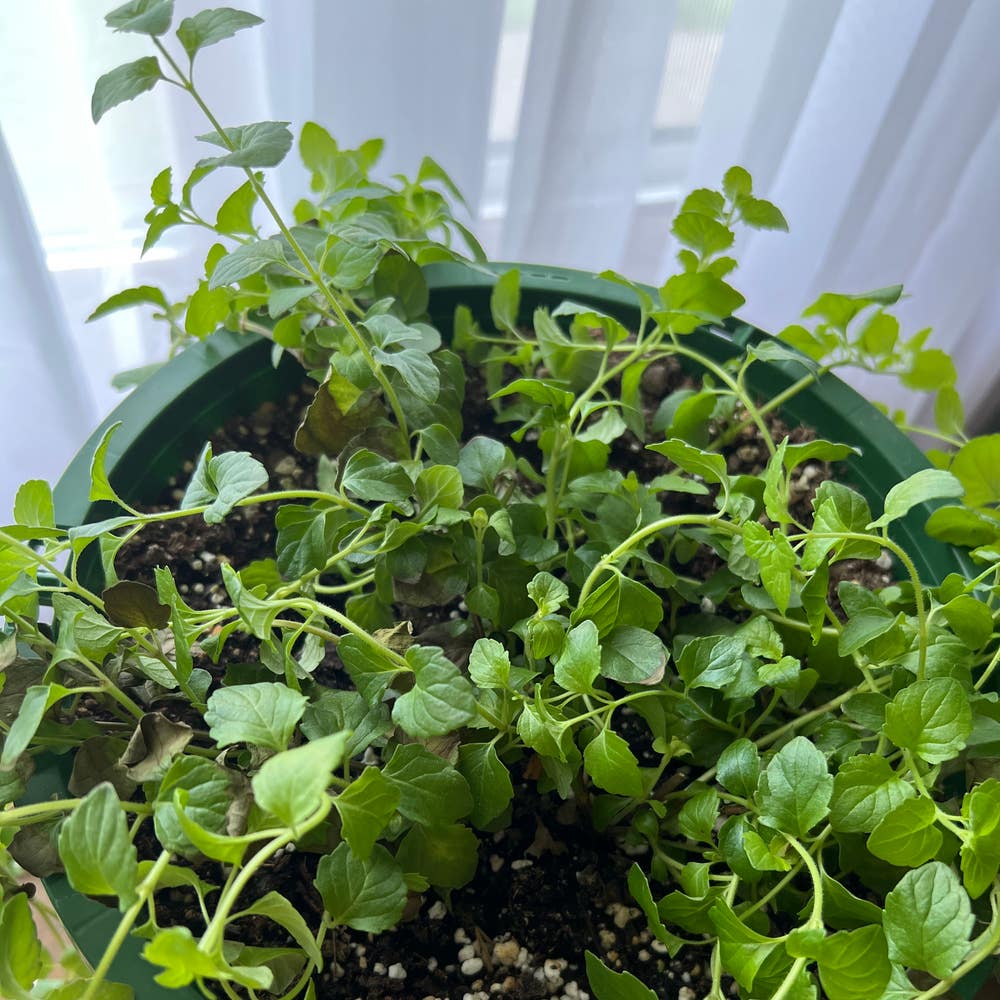
Best Companion Plants for Indian Mint
Coleus amboinicus
By the Greg Editorial Team
Nov 06, 2024•4 min read
This article was created with the help of AI so we can cover more plants for you. May contain errors. See one? Report it here.
Boost your garden's health 🌱 and beauty by discovering the best companion plants for Indian Mint!
- 🌱 Basil and cilantro thrive with Indian Mint, sharing moisture and sunlight needs.
- 🌼 Marigolds deter pests while attracting pollinators, benefiting Indian Mint's growth.
- 🌿 Companion planting enhances flavor and productivity of Indian Mint in your garden.
Best Companion Plants for Indian Mint
🌿 Suitable Herbs
Basil
Basil is a fantastic companion for Indian Mint, thriving in similar moisture and sunlight conditions. When grown together, they not only flourish but also enhance each other's flavor profiles in culinary dishes.
Cilantro
Cilantro shares similar watering needs with Indian Mint and benefits from its pest-repellent properties. Additionally, cilantro attracts beneficial insects, which can aid in pest management, creating a harmonious garden ecosystem.
🌼 Flowering Plants
Marigold
Marigolds are well-known for their ability to deter nematodes and other pests that can harm Indian Mint. Their bright colors not only enhance visual appeal but also attract pollinators, making your garden vibrant and lively.
Nasturtium
Nasturtiums serve as a trap crop for aphids, effectively protecting Indian Mint from these pests. Plus, their edible flowers add beauty and diversity to your garden, making them a delightful choice for companion planting.
🥕 Vegetables
Tomatoes
Tomatoes thrive alongside Indian Mint, benefiting from its pest-repellent qualities, especially against aphids. Both plants enjoy similar sunlight and watering needs, making them compatible companions in your garden.
Peppers
Peppers also flourish in similar conditions to Indian Mint and can deter pests when planted nearby. The aromatic presence of mint can enhance the growth of peppers, creating a mutually beneficial relationship.
By selecting these companion plants, you can create a thriving garden that not only looks good but also supports the health of your Indian Mint. Next, let’s explore how companion planting can help with pest management.
Pest Management through Companion Planting
🌱 Deter Pests Naturally
Companion planting is a powerful strategy for managing pests that threaten Indian Mint. By incorporating specific plants like Marigold and Nasturtium, you can create a natural barrier against common pests such as aphids and beetles.
🚫 Pest-Repellent Properties
Indian Mint is renowned for its strong aroma, which not only deters unwanted pests but also attracts beneficial insects. This dual action enhances your overall pest management strategy, making your garden a healthier environment.
🦋 Beneficial Insects
Companion plants play a crucial role in attracting beneficial insects like ladybugs and lacewings. These helpful allies contribute to a balanced garden ecosystem by preying on harmful pests, ensuring your mint thrives.
By understanding and implementing these pest management techniques through companion planting, you can cultivate a flourishing garden that supports Indian Mint's growth while keeping pests at bay. Next, let’s explore how companion plants can enhance the visual appeal of your garden.
Visual Appeal and Aesthetic Benefits
🎨 Enhancing Visual Appeal
Companion plants can transform your garden into a vibrant tapestry of colors and textures. Selecting plants that complement the lush green of Indian Mint not only enhances its beauty but also creates a harmonious environment.
🌈 Color and Texture Combinations
Consider pairing bright marigolds with green mint for a striking visual contrast. Additionally, incorporating plants with varying textures, like soft-leaved herbs alongside the bold foliage of mint, can elevate your garden design.
🍂 Seasonal Considerations
Planning for seasonal changes is essential to maintain visual diversity throughout the year. Rotating companion plants ensures continuous aesthetic appeal, allowing your garden to thrive in every season.
By thoughtfully combining colors and textures, you can create a stunning garden that not only looks good but also supports the health of your Indian Mint. This attention to visual appeal can make gardening a more enjoyable and rewarding experience.
Plants to Avoid Near Indian Mint
🚫 Incompatible Plants
One of the primary plants to avoid near Indian Mint is fennel. This herb is notorious for inhibiting the growth of mint due to its allelopathic properties, which can disrupt the growth of nearby plants.
Fennel competes for nutrients and space, leading to poor growth for Indian Mint. This competition can significantly hinder the mint's ability to thrive in your garden.
📉 Explanation of Incompatibility
Certain plants, like fennel, can negatively impact mint's health and vigor. When planted together, these incompatible species can lead to reduced yield and increased susceptibility to pests.
Understanding these dynamics is crucial for maintaining a healthy garden ecosystem. Choosing the right companions can make all the difference in your gardening success.
🌱 Negative Effects on Growth
Incompatible plants can stunt the growth of Indian Mint and diminish its flavor. This is why careful selection of companion plants is essential for ensuring a thriving garden environment.
By avoiding plants that hinder mint's growth, you can create a more productive and flavorful garden. Your mint will flourish, and your culinary creations will benefit from its robust flavor.
As you plan your garden, keep these incompatibilities in mind to foster a healthy and vibrant growing space.
⚠️ Safety First
This content is for general information and may contain errors, omissions, or outdated details. It is not medical, veterinary advice, or an endorsement of therapeutic claims.
Always consult a qualified healthcare professional before using any plant as food, medicine, or supplement.
Never eat any plant (or feed one to pets) without confirming its identity with at least two trusted sources.
If you suspect poisoning, call Poison Control (800) 222-1222, the Pet Poison Helpline (800) 213-6680, or your local emergency service immediately.
Spotted an error? Please report it here.
Boost your Indian Mint's growth and flavor by pairing it with companions like basil and marigolds 🌱, and let Greg provide you with tailored care tips to ensure your garden thrives!