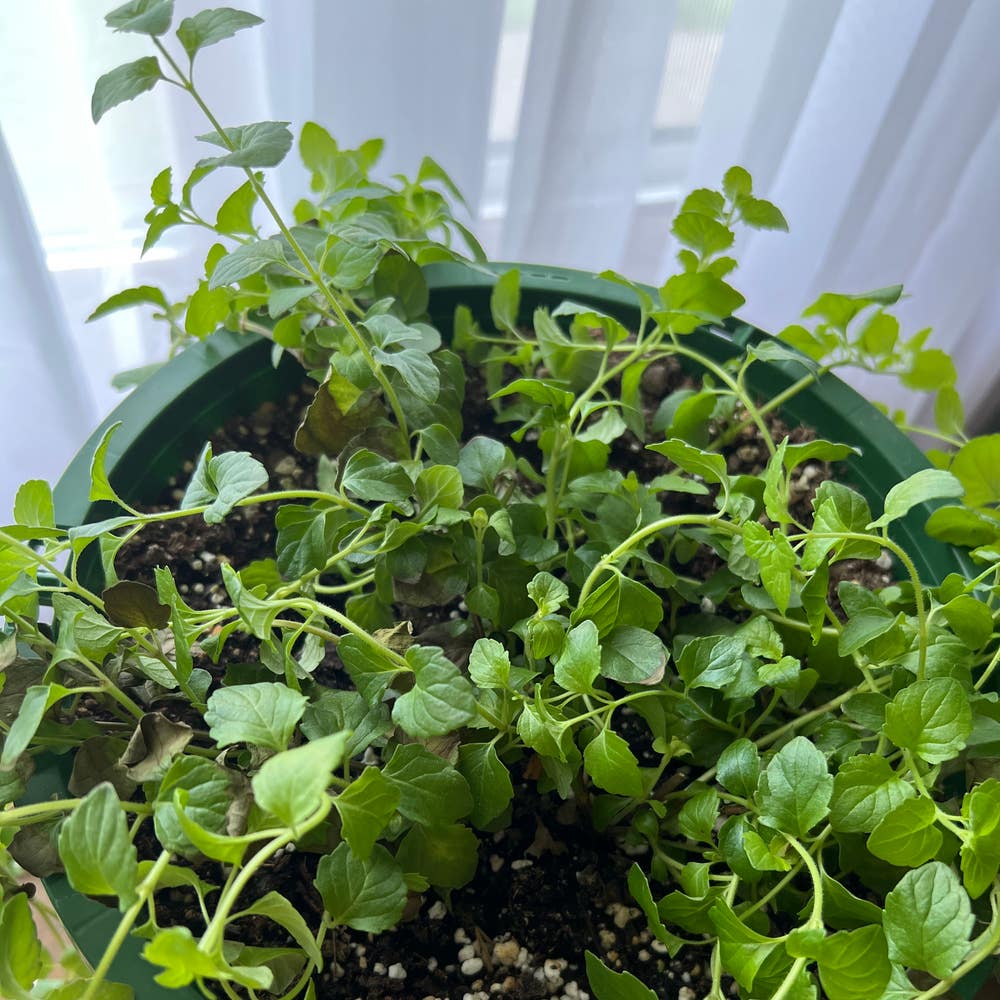
Ultimate Guide to Indian Mint Varieties
Coleus amboinicus
By the Greg Editorial Team
Nov 06, 2024•5 min read
This article was created with the help of AI so we can cover more plants for you. May contain errors. See one? Report it here.
Unlock unique flavors with Indian mint cultivars 🌱 that will elevate your culinary creations and garden! 🍃
- 🌱 Explore diverse Indian mint varieties like spearmint and peppermint for unique flavors.
- 🍃 Cultivation tips: Understand each mint's light, soil, and moisture needs for success.
- 🌿 Enhance your garden with rare and hybrid mints for culinary and visual appeal.
Popular Indian Mint Cultivars
🌱 Common Cultivars
Spearmint
Spearmint is easily recognizable by its bright green leaves and smooth texture. This cultivar offers a milder flavor compared to peppermint, making it a favorite in cooking and beverages.
Its sweet and refreshing taste is perfect for teas and desserts, adding a delightful twist to your culinary creations.
Peppermint
In contrast, peppermint features dark green leaves with a slightly serrated edge. Known for its stronger flavor and aroma, it boasts a higher menthol content that elevates its profile.
This mint is cool and sharp, commonly found in candies and medicinal products, providing a refreshing kick that many love.
🌿 Other Notable Cultivars
Variegated Mint
Variegated mint stands out with its leaves displaying a mix of green and white or yellow. Its attractive foliage makes it a popular choice for ornamental gardens.
While its flavor is similar to spearmint, it offers a milder taste, making it versatile for various uses.
Chocolate Mint
Chocolate mint captivates with its dark green leaves that have a hint of brown. This cultivar is known for its distinct chocolate aroma, which adds a unique twist to desserts and teas.
Its sweet flavor, combined with a subtle chocolate undertone, makes it a delightful addition to any recipe.
With these popular cultivars, you can explore a range of flavors and uses in your kitchen. Next, let’s dive into hybrid varieties, where unique traits are enhanced through crossbreeding.
Hybrid Varieties
🌱 Explanation of Hybridization
Hybrid mint varieties are fascinating creations born from the crossbreeding of different Mentha species. This process enhances specific traits, leading to improved flavor, aroma, and disease resistance.
🌟 Notable Hybrid Varieties
🍹 Mojito Mint
Mojito Mint is a delightful hybrid of spearmint and peppermint, celebrated for its refreshing flavor. It's perfect for cocktails and culinary dishes that crave a minty kick.
🍍 Pineapple Mint
Pineapple Mint stands out as a cross between spearmint and another mint species, offering a fruity aroma that elevates any dish. It adds a unique flavor to fruit salads and desserts, making it a favorite among adventurous cooks.
Hybrid mints not only diversify your garden but also enhance your culinary experiences. Their unique traits make them a must-try for any mint enthusiast.
Rare Indian Mint Varieties
Identification of Rare Varieties 🌱
Horse Mint
Horse mint stands out with its tall growth habit and elongated leaves. This aromatic variety is less commonly cultivated, making it a unique find for mint enthusiasts.
Water Mint
Water mint thrives in wetland areas, showcasing a distinct flavor profile that sets it apart. It requires consistently moist soil and can even tolerate standing water, making it a resilient choice for specific environments.
Availability and Cultivation Challenges 🌿
Finding rare mint varieties like horse mint and water mint can be a challenge. They often have limited availability in nurseries and require specialized growing conditions to flourish.
These rare mints may also face cultivation challenges, including susceptibility to specific pests and diseases. Careful monitoring and attention to their unique needs are essential for successful growth.
As you explore these fascinating mint varieties, consider the joy of nurturing something rare and the satisfaction it brings. Next, we’ll delve into the color and size variations among different mint cultivars, revealing even more about this versatile herb.
Color and Size Variations
🎨 Color Variations in Cultivars
Mint cultivars showcase a stunning range of colors, from deep green to vibrant purple and even variegated forms. These color variations are often linked to the specific genetics of each cultivar, making them not just a treat for the palate but also for the eyes.
📏 Size Differences Among Varieties
When it comes to size, mint varieties can differ significantly. Compact cultivars typically grow to a height of 12-18 inches, making them perfect for container gardening. In contrast, some spreading varieties can reach widths of up to 3 feet, creating a lush, green carpet in your garden.
🌱 Environmental Factors Impacting Color and Size
Several environmental factors can influence the color and size of mint plants. Light exposure plays a crucial role; varieties may exhibit different colors depending on how much sunlight they receive. Additionally, nutrient-rich soils can enhance both growth and color vibrancy, ensuring your mint plants thrive.
Understanding these variations can help you choose the right mint for your garden or culinary needs. With the right conditions, you can enjoy a beautiful and flavorful mint garden that delights both the senses and the eyes.
Next, we’ll explore the special care requirements needed to keep these vibrant mint varieties healthy and flourishing.
Special Care Requirements
🌱 Unique Care Needs for Popular Cultivars
Spearmint
Spearmint thrives in full sun to partial shade, making it versatile for various garden settings. It prefers well-draining soil, so ensure that your planting area allows excess water to escape.
Regular moisture is essential for spearmint, but be cautious to avoid waterlogging, which can lead to root rot. A consistent watering schedule will keep your plants healthy and vibrant.
Peppermint
Peppermint enjoys rich, moist soil and can tolerate partial shade, making it a great choice for shadier spots in your garden. This cultivar benefits from consistent moisture, so keep an eye on the soil to ensure it doesn’t dry out.
Providing the right conditions will help peppermint flourish, allowing its strong flavor and aroma to develop fully.
🐛 Pest and Disease Resistance
Common pests that may target mint include aphids, spider mites, and whiteflies. Some cultivars, like spearmint, show better resistance to these pests, making them easier to manage.
Regular inspection of your plants is crucial for early detection of any issues. Maintaining plant health through proper care can significantly mitigate pest problems and diseases, ensuring your mint thrives.
⚠️ Safety First
This content is for general information and may contain errors, omissions, or outdated details. It is not medical, veterinary advice, or an endorsement of therapeutic claims.
Always consult a qualified healthcare professional before using any plant as food, medicine, or supplement.
Never eat any plant (or feed one to pets) without confirming its identity with at least two trusted sources.
If you suspect poisoning, call Poison Control (800) 222-1222, the Pet Poison Helpline (800) 213-6680, or your local emergency service immediately.
Spotted an error? Please report it here.
Explore the zesty flavors of Indian mint varieties 🌱 and let Greg help you cultivate thriving plants with tailored care tips and reminders for your gardening success!