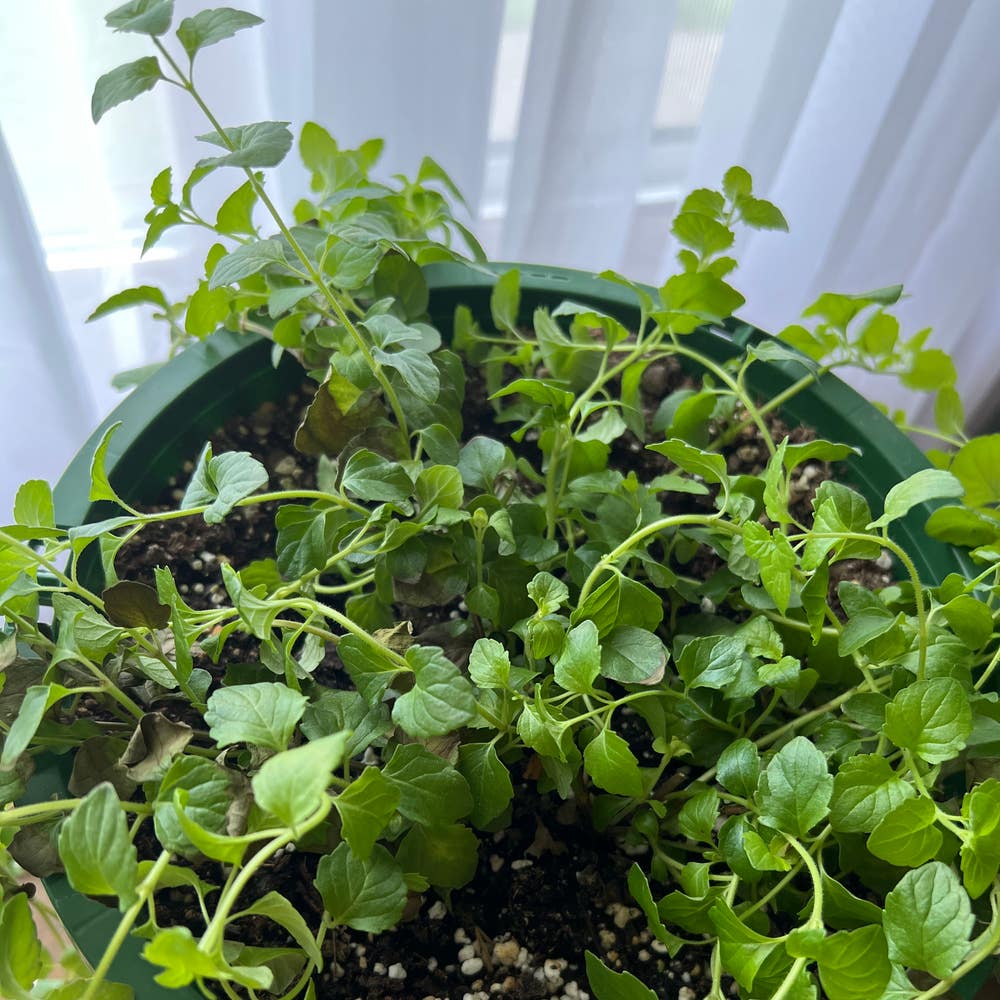
Top 3 Pot Options to Make Your Indian Mint Thrive
Coleus amboinicus
By the Greg Editorial Team
Nov 06, 2024•7 min read
This article was created with the help of AI so we can cover more plants for you. May contain errors. See one? Report it here.
Boost your Indian mint's growth 🌱 by mastering the right pot size and material for every stage of its life!
- 🌱 Choose the right pot size for each growth stage to ensure healthy Indian mint.
- 💧 Proper drainage is crucial; aim for 3-5 holes to prevent root rot.
- 🏺 Clay pots regulate moisture well, making them ideal for thriving mint plants.
Pot Size for Indian Mint Growth Stages
Recommended Sizes 🌱
When starting your Indian mint, the size of the pot is crucial for its growth.
Seedlings: Use a container that is 4-6 inches in diameter to give them enough space to establish roots.
Mature Plants: As your mint grows, transition to a pot that is 8-12 inches in diameter to accommodate its expanding root system.
Established Roots: For fully grown plants, opt for a container that is 12-16 inches in diameter or larger to support robust growth.
Growth Stage Considerations 📏
Selecting the right pot size is essential for your mint's health and productivity.
A properly sized container allows for optimal moisture retention and nutrient availability, which are vital for healthy growth.
Too small a pot can restrict root development, leading to stunted growth and poor yields.
Conversely, a pot that is too large may retain excess moisture, risking root rot.
By matching the pot size to the growth stage, you ensure your Indian mint thrives and flourishes.
This thoughtful approach sets the stage for a bountiful harvest and vibrant plants.
Next, let’s explore the various pot materials that can further enhance your mint-growing experience.
Pot Materials
Choosing the right pot material is crucial for the health of your Indian mint. Each option has its own set of advantages and disadvantages that can significantly impact growth.
🌱 Clay Pots
Clay pots are a popular choice among gardeners for several reasons.
Advantages:
- They are breathable, allowing air to circulate to the roots, which is essential for healthy growth.
- Their natural moisture regulation helps prevent overwatering, a common issue for mint plants.
Disadvantages:
- Clay pots are heavier, making them less portable.
- They can crack under extreme temperatures and may dry out faster in hot conditions, requiring more frequent watering.
🥤 Plastic Pots
Plastic pots offer a different set of benefits that can be appealing, especially for those who prefer convenience.
Advantages:
- They are lightweight and easy to move, making them ideal for indoor gardening or rearranging your outdoor space.
- Plastic pots retain moisture longer, which can reduce the frequency of watering.
Disadvantages:
- They are less breathable than clay, which can lead to root rot if drainage is not properly managed.
- Over time, plastic can degrade under UV light, affecting its longevity.
🪴 Other Materials
Exploring other pot materials can also yield interesting options for your mint.
Ceramic Pots: These are visually appealing and can enhance your garden's aesthetic. However, they tend to be heavy and often have a glaze that can affect drainage.
Biodegradable Pots: An eco-friendly choice, these are great for seedlings. However, they may not hold up well for mature plants, as they can break down over time.
🌍 Indoor vs. Outdoor Use
When selecting pot materials, consider where your mint will thrive.
- Indoor pots should prioritize aesthetics and moisture retention, while outdoor pots need to withstand weather conditions and provide adequate drainage.
Choosing the right pot material can set your Indian mint up for success, ensuring it grows vibrant and healthy. Next, let’s dive into the importance of drainage considerations to further enhance your mint-growing experience.
Drainage Considerations
🌊 Importance of Drainage Holes
Proper drainage is crucial for the health of your Indian mint. Without adequate drainage holes, water can accumulate, leading to root rot, which can devastate your plant.
Aim for at least 3-5 drainage holes in your pot. This ensures excess water can escape, keeping the roots healthy and thriving.
🚰 Ensuring Proper Drainage
To promote effective drainage, choose potting soil designed for this purpose. Mixing in perlite or sand can significantly enhance drainage capabilities.
Additionally, elevating your pots slightly off the ground can improve airflow. This simple adjustment helps prevent water from pooling at the bottom.
⚠️ Signs of Poor Drainage
Watch for signs that your mint might be struggling with drainage issues. Yellowing leaves and wilting, even after watering, are clear indicators.
Long-term poor drainage can stunt growth and make your plant more susceptible to diseases. Addressing these issues early can save your mint and keep it flourishing.
With the right drainage practices in place, your Indian mint will have the best chance to thrive. Next, let’s explore how to repot your mint for continued growth and vitality.
Repotting Indian Mint
When to Repot 🌱
Repotting your Indian mint is crucial for its health and growth. Look for signs like roots growing out of the drainage holes, stunted growth, or soil that seems depleted.
It's generally recommended to repot every 1-2 years or whenever your plant outgrows its current pot. Keeping an eye on these indicators ensures your mint thrives.
Choosing the Right Pot 🪴
Selecting the right pot is essential for successful repotting. Aim for a pot that is 2-4 inches larger in diameter than the one your mint currently occupies.
Additionally, ensure the new pot has adequate drainage holes to prevent water accumulation. This will help maintain healthy roots and overall plant vitality.
Step-by-Step Guide to Repotting 🛠️
Repotting may seem daunting, but following these steps makes it manageable:
- Prepare the new pot with fresh potting soil, ensuring it’s suitable for mint.
- Gently remove the mint plant from its current pot, taking care not to damage the roots.
- Loosen any tightly bound roots and trim any dead or damaged roots to promote healthy growth.
- Place the plant in the center of the new pot and fill with soil, ensuring the root ball is level with the top of the pot.
- Water thoroughly to settle the soil and eliminate air pockets, which can hinder root development.
- Position the repotted mint in a suitable location based on its light requirements, ensuring it gets the right amount of sunlight.
By following these steps, you’ll set your Indian mint up for success in its new home. Proper repotting not only enhances growth but also ensures your plant remains vibrant and healthy.
Next, let’s explore how the choice of pot can impact the growth of your mint.
Impact of Pot Choice on Growth
🌱 Moisture Retention and Root Health
The choice of pot material significantly affects moisture retention. Clay pots are breathable, allowing excess moisture to evaporate, which can help prevent overwatering.
In contrast, plastic pots retain moisture longer, making them ideal for those who may forget to water regularly. However, this can lead to root rot if drainage isn't managed properly, highlighting the importance of selecting the right pot material.
🍃 Pot Size and Mint Yield
Pot size plays a crucial role in the yield of your Indian mint. Larger pots provide more space for root development, which can lead to healthier plants and increased yields.
Additionally, a bigger pot allows for better nutrient uptake, ensuring your mint thrives. This means that investing in the right pot size can pay off in the form of a bountiful harvest.
🌡️ Environmental Factors
The material of your pot also influences temperature regulation and moisture levels. Clay pots can help keep roots cooler in hot weather, while plastic pots may heat up more quickly, affecting plant health.
When choosing pots for indoor or outdoor use, consider how each material will perform in your specific environment. This consideration can make a significant difference in the overall growth and vitality of your Indian mint.
As you explore pot options, remember that the right choice can enhance your mint's growth and yield, setting the stage for a thriving garden.
⚠️ Safety First
This content is for general information and may contain errors, omissions, or outdated details. It is not medical, veterinary advice, or an endorsement of therapeutic claims.
Always consult a qualified healthcare professional before using any plant as food, medicine, or supplement.
Never eat any plant (or feed one to pets) without confirming its identity with at least two trusted sources.
If you suspect poisoning, call Poison Control (800) 222-1222, the Pet Poison Helpline (800) 213-6680, or your local emergency service immediately.
Spotted an error? Please report it here.
Choose the perfect pot for your Indian mint with Greg's tailored tips and reminders, ensuring your garden thrives like never before! 🌿