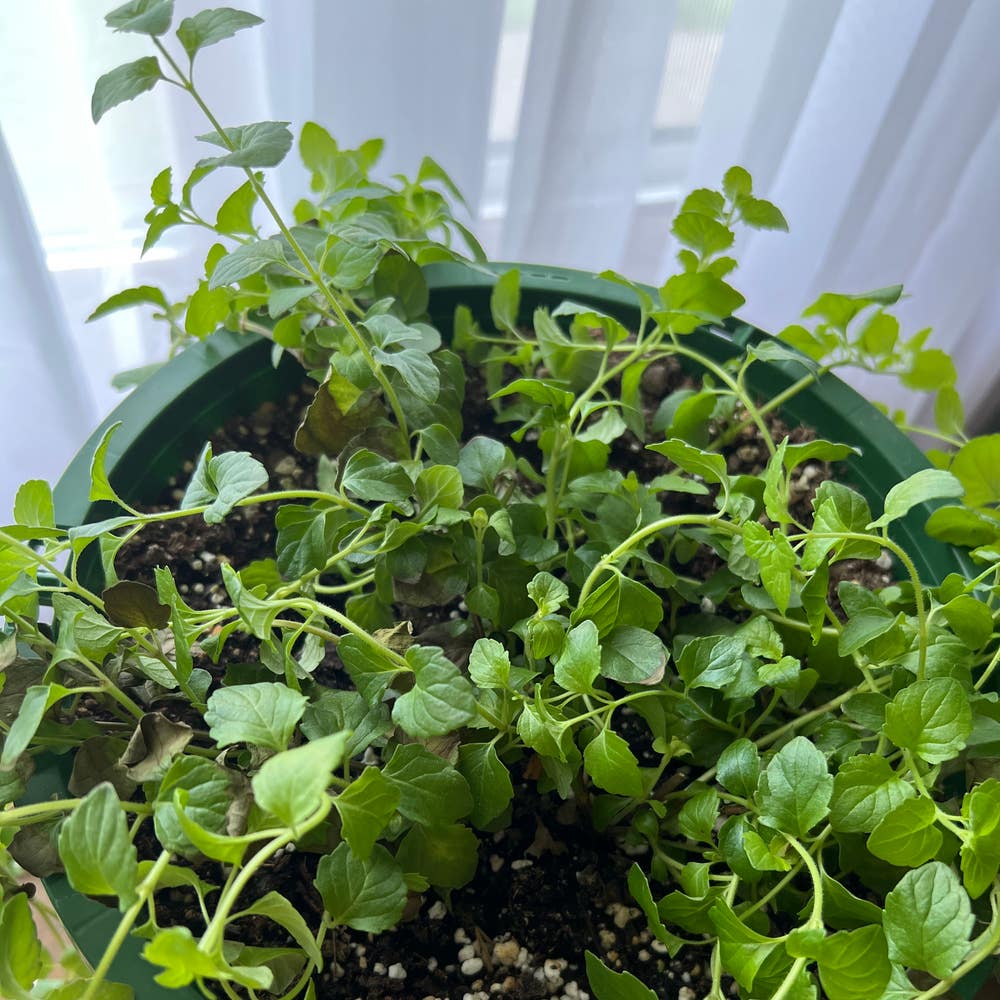
Indian Mint SOS: Rescue Your Plant from Root Rot 🛟
Coleus amboinicus
By the Greg Editorial Team
Nov 06, 2024•5 min read
This article was created with the help of AI so we can cover more plants for you. May contain errors. See one? Report it here.
Rescue your mint plant from root rot with these vital tips for early detection and effective treatment! 🌱
- 🌱 Identify root rot early by checking for wilting and leaf discoloration.
- 🕵️♂️ Inspect roots for black, mushy areas and conduct a smell test for confirmation.
- 🌿 Use well-draining soil and proper watering to prevent root rot in mint plants.
Identifying Root Rot Symptoms
👀 Visual Signs of Root Rot
Recognizing root rot early can save your mint plant from serious damage. Look for leaf discoloration, where leaves may turn yellow or brown, signaling distress.
Another key indicator is wilting; if your mint leaves droop despite regular watering, it’s a red flag. Additionally, stunted growth can occur, with little to no new growth or reduced vigor.
🔍 How to Check for Root Rot in the Soil
To confirm root rot, follow these steps:
- Gently remove the plant from its pot to examine the roots.
- Inspect the root system for black, mushy roots, which indicate decay.
- Conduct a smell test; a foul odor is a strong sign of rot.
- Finally, check the soil texture; overly wet or compacted soil can contribute to root issues.
🆚 Distinguishing Root Rot from Other Issues
It's essential to differentiate root rot from other plant problems. Compare symptoms with nutrient deficiencies, which often present differently, like yellowing leaves but with a different pattern.
Next, look for signs of pest damage. Pests typically leave visible marks or holes, while root rot symptoms are more generalized. Lastly, consider environmental stressors; drought can cause wilting too, but it usually doesn’t lead to the same root decay as rot.
Understanding these symptoms and differences can empower you to act quickly, ensuring your mint plant has the best chance of recovery. Now that you can identify root rot, let’s explore how to treat it effectively.
Treating Root Rot
🌱 Step-by-Step Guide to Treating Root Rot
Treating root rot requires a careful approach to save your mint plant. Start by gently removing the affected plant from its pot.
Next, trim away any damaged roots. Focus on cutting back to healthy tissue to promote recovery.
After that, clean the pot thoroughly. Disinfect it with a bleach solution to eliminate any lingering pathogens.
Now, repot your mint in fresh, well-draining soil. Opt for a mix specifically designed for mint plants to ensure optimal growth.
Finally, water sparingly. Allow the soil to dry slightly before the next watering to prevent further issues.
🧪 Recommended Fungicides and Treatments
When it comes to treating root rot, you have options. For organic solutions, consider using neem oil and cinnamon as natural fungicides.
If you prefer chemical treatments, look for specific fungicides that target root rot pathogens. Be sure to follow the instructions for effective application.
🌿 How to Repot Affected Mint
Repotting is crucial for your mint's recovery. Start by choosing the right pot, ensuring it has adequate drainage holes to prevent waterlogging.
Next, select the best soil mix for recovery. A well-aerated, nutrient-rich soil will help your plant thrive.
Finally, use a gentle repotting technique. Minimize stress to the plant by handling it carefully during the process.
By following these steps, you can effectively treat root rot and give your mint plant a fighting chance. Now, let’s explore how to prevent root rot from occurring in the first place.
Preventing Root Rot
Best Practices for Watering 🌊
Watering your mint plant correctly is crucial to prevent root rot. Aim to water your plant when the top inch of soil feels dry, typically every 5 to 7 days.
Recognizing signs of overwatering is essential. Look for yellowing leaves or a soggy soil texture, which indicate that you may need to adjust your watering habits.
For effective watering, consider deep watering techniques. This method encourages roots to grow deeper, promoting a healthier plant.
Importance of Soil Drainage and Aeration 🕳️
Soil composition plays a vital role in preventing root rot. Use a mix that includes components like peat moss, perlite, and compost to ensure good drainage.
Aeration techniques can significantly improve soil health. Regularly loosening the soil or using a fork can help maintain airflow around the roots.
Choosing the right container is equally important. Select pots with drainage holes to allow excess water to escape, preventing soggy conditions.
Choosing the Right Pot and Soil Mix 🪴
When selecting a pot, consider size carefully. A pot that’s too small can restrict root growth, leading to stress and potential rot.
For soil types, look for a well-draining mix specifically designed for mint. This ensures your plant has the nutrients it needs while avoiding water retention.
Finally, don't underestimate the importance of drainage materials. Adding perlite or gravel to your soil mix can enhance drainage, keeping your mint plant healthy and thriving.
By following these preventive measures, you can significantly reduce the risk of root rot and ensure your mint plant flourishes. Next, let’s explore how to care for your plant after treatment if it does encounter root rot.
Post-Treatment Care
How to Care After Treatment 🌱
After treating root rot, it's crucial to adjust your watering schedule. Start by allowing the soil to dry out slightly between waterings to prevent future issues.
Fertilization is also key during recovery. Wait about four to six weeks post-treatment before applying a balanced fertilizer to give your mint plant the nutrients it needs without overwhelming it.
Signs of Recovery 🌿
Look for new growth as a primary indicator that your plant is bouncing back. Fresh leaves and stems signal that the roots are regaining strength.
Pay attention to leaf health as well. Improved color and texture are good signs that your mint is on the mend, indicating that it’s absorbing nutrients effectively.
Long-Term Care Strategies 🛠️
Regular monitoring is essential for ongoing plant health. Check the soil moisture frequently to ensure it remains at an optimal level.
Be prepared to make seasonal adjustments to your care practices. Changes in temperature and humidity can affect your plant's needs, so stay flexible.
Finally, educate yourself on plant health. Staying informed about common issues and solutions will empower you to keep your mint thriving for the long haul.
With these strategies in place, your mint plant can flourish, and you'll be well-equipped to handle any future challenges.
⚠️ Safety First
This content is for general information and may contain errors, omissions, or outdated details. It is not medical, veterinary advice, or an endorsement of therapeutic claims.
Always consult a qualified healthcare professional before using any plant as food, medicine, or supplement.
Never eat any plant (or feed one to pets) without confirming its identity with at least two trusted sources.
If you suspect poisoning, call Poison Control (800) 222-1222, the Pet Poison Helpline (800) 213-6680, or your local emergency service immediately.
Spotted an error? Please report it here.
Revive your mint plant from root rot with early detection and Greg's tailored watering alerts, ensuring your mint stays vibrant and healthy! 🌿