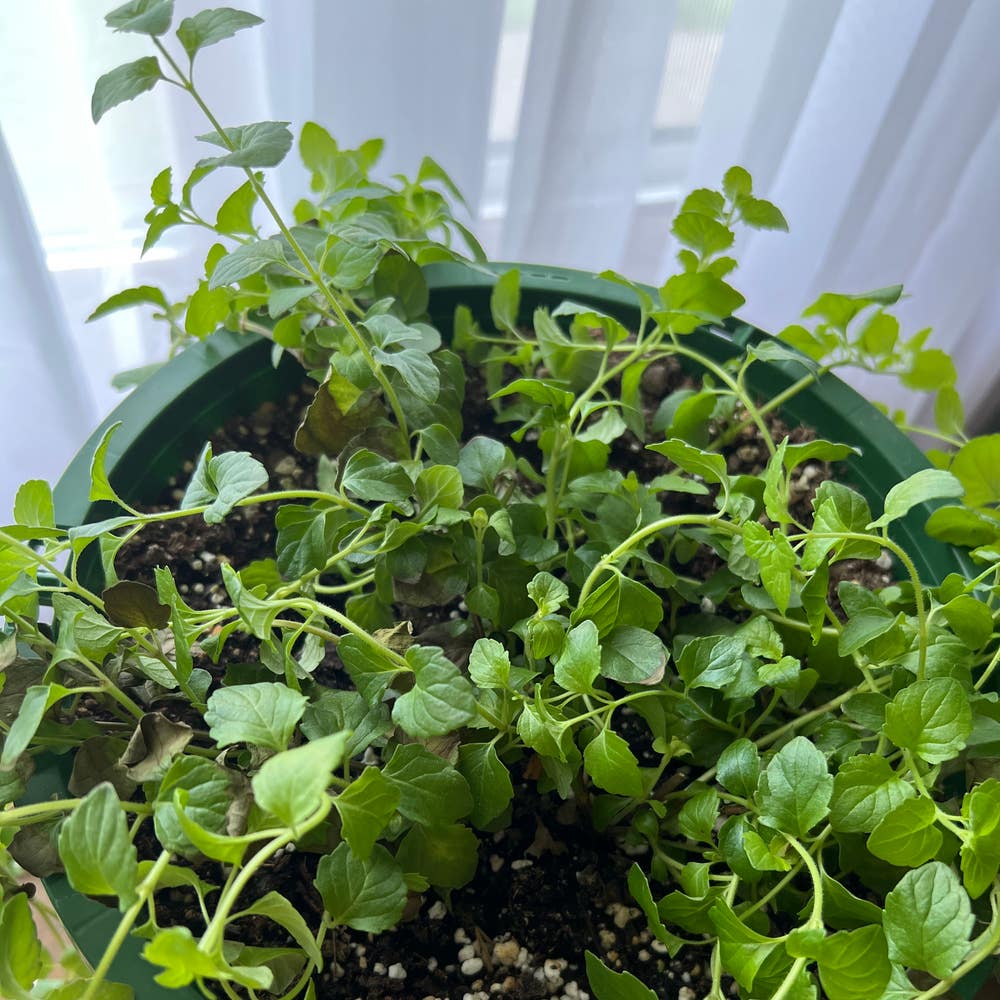
Best Humidity Levels for Indian Mint 💧
Coleus amboinicus
By the Greg Editorial Team
Nov 06, 2024•5 min read
This article was created with the help of AI so we can cover more plants for you. May contain errors. See one? Report it here.
Elevate your Indian mint's growth and flavor by mastering the perfect humidity levels! 🌿
- 🌱 Indian mint thrives at 50-70% humidity, enhancing growth and aroma.
- 💧 Low humidity causes wilting and stunted growth, impacting flavor and health.
- 🌬️ Manage humidity carefully to prevent pests and diseases while promoting robust growth.
Ideal Humidity Range for Optimal Growth
For Indian mint to thrive, maintaining humidity levels between 50-70% is crucial. This range not only supports healthy growth but also enhances the plant's aromatic qualities.
🌧️ Impact of Humidity on Growth
Adequate humidity plays a vital role in robust leaf development. It also boosts essential oil production, which is key for culinary uses and overall plant health.
By ensuring your Indian mint enjoys the right humidity, you set the stage for a flourishing herb garden. Next, let’s explore the effects of low humidity on your mint plants.
Effects of Low Humidity
Low humidity can be a silent killer for your Indian mint plants. When the air is too dry, you might notice wilting leaves, which signal dehydration and stress.
🌱 Stunted Growth
Another telltale sign of low humidity is reduced growth. Your mint may develop smaller leaves and struggle to thrive, impacting its overall health.
🍃 Flavor Changes
Low humidity can also alter the flavor profile of your mint. With less moisture, the plant produces fewer aromatic oils, which can diminish its culinary appeal.
⚠️ Long-Term Consequences
The long-term effects of low humidity are even more concerning. Prolonged dry conditions can make your mint more susceptible to pests and diseases, leading to further complications.
By understanding these symptoms and consequences, you can take proactive steps to maintain the ideal humidity levels for your mint. This awareness will help ensure your plants remain healthy and flavorful.
Next, let’s explore the effects of high humidity and how it can impact your mint’s growth.
Effects of High Humidity
High humidity can be a double-edged sword for Indian mint. While it can promote growth, it also poses significant risks if not managed properly.
🌧️ Symptoms of High Humidity Stress
One of the most common issues is leaf mold and mildew. These fungal growths thrive in damp conditions, leading to unsightly spots on leaves and potentially harming the plant.
Another serious concern is root rot. When soil becomes overly saturated, roots can suffocate, leading to decay and ultimately, plant death.
🌱 Potential Benefits of High Humidity
Despite these risks, high humidity can enhance growth when conditions are right. Indian mint may flourish with increased moisture, producing lush foliage and vibrant flavors.
However, it’s crucial to monitor humidity levels closely. Implementing proper care strategies can help mitigate the risks associated with high humidity, ensuring your mint thrives without falling victim to mold or rot.
As we explore local humidity considerations next, understanding your environment will be key to managing these challenges effectively.
Local Humidity Considerations
🌧️ Assessing Local Humidity Conditions
Understanding your local climate is crucial for nurturing Indian mint effectively. Start by researching the average humidity levels in your area to gauge what your plants will experience.
Seasonal variations can significantly impact humidity, so it's essential to recognize how these changes affect plant care. For instance, summer might bring higher humidity, while winter could dry things out, requiring different care strategies.
☔️ Adapting Care Based on Local Climate
Tailoring your humidity management to local weather patterns can make a big difference in your mint's health. Monitor the forecast and adjust your watering and humidity-boosting techniques accordingly.
Flexibility is key in plant care. Be prepared to adapt your strategies as conditions change, ensuring your mint thrives no matter the weather. This proactive approach will help you maintain optimal humidity levels for robust growth.
Strategies for Managing Humidity
Managing humidity is crucial for the health of your Indian mint. Here are effective methods to boost or reduce humidity levels, ensuring your plants thrive.
🌧️ Methods to Boost Humidity
Using Humidifiers
Humidifiers are a fantastic way to increase moisture in the air. You can choose between cool mist and warm mist options, depending on your preference and the needs of your plants.
Position your humidifier near your mint plants for maximum effectiveness. This targeted approach helps create a more humid microenvironment, promoting healthy growth.
Grouping Plants Together
Another effective strategy is to cluster your plants. Grouping them creates a microenvironment with higher humidity, benefiting all the plants involved.
However, ensure that your plants still receive adequate light and air circulation. This balance is essential to prevent mold and maintain plant health.
💨 Methods to Reduce Humidity
Proper Air Circulation
Good airflow is vital for preventing stagnant air, which can lead to excess humidity. Implementing proper ventilation techniques can significantly improve your indoor climate.
Consider using fans or simply opening windows to enhance air circulation. This practice helps maintain a balanced humidity level, keeping your mint healthy.
Avoiding Overwatering
Overwatering is a common mistake that can lead to high humidity levels in the soil. Watch for signs like yellowing leaves and soggy soil, which indicate that your plants are getting too much water.
To avoid this, only water your mint when the top inch of soil is dry. This simple practice can help maintain the right moisture balance for your plants.
By implementing these strategies, you can effectively manage humidity levels for your Indian mint. This proactive approach will lead to healthier plants and a more vibrant garden. Next, let’s explore local humidity considerations to further tailor your plant care.
⚠️ Safety First
This content is for general information and may contain errors, omissions, or outdated details. It is not medical, veterinary advice, or an endorsement of therapeutic claims.
Always consult a qualified healthcare professional before using any plant as food, medicine, or supplement.
Never eat any plant (or feed one to pets) without confirming its identity with at least two trusted sources.
If you suspect poisoning, call Poison Control (800) 222-1222, the Pet Poison Helpline (800) 213-6680, or your local emergency service immediately.
Spotted an error? Please report it here.
Keep your Indian mint flourishing 🌱 by using Greg's tailored humidity alerts and care tips to create the perfect growing environment for your culinary delights!