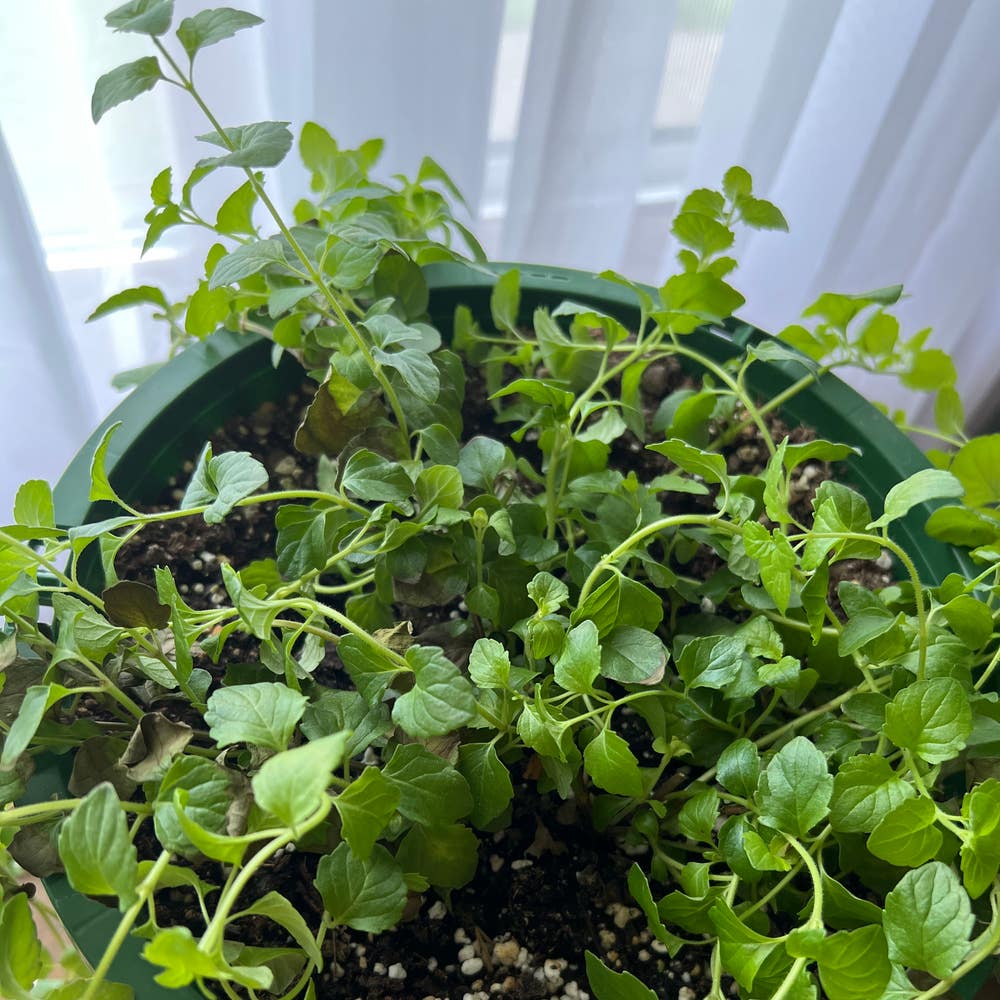
Best Tips for Droopy Leaves on Indian Mint 💧
Coleus amboinicus
By the Greg Editorial Team
Nov 06, 2024•5 min read
This article was created with the help of AI so we can cover more plants for you. May contain errors. See one? Report it here.
Transform droopy mint leaves 🌱 into vibrant greenery with these essential care tips for thriving plants!
- 💧 Droopy leaves result from overwatering or underwatering; balance is key!
- 🌱 Check soil moisture regularly to prevent droopy leaves and promote healthy growth.
- 🐛 Inspect for pests and diseases; they can stress your mint and cause droopiness.
Common Causes of Droopy Leaves
💧 Overwatering and Underwatering
Overwatering can be a sneaky culprit behind droopy leaves. If you notice yellowing leaves and soggy soil, your mint might be drowning. This often happens due to poor drainage or watering too frequently.
On the flip side, underwatering can also lead to droopiness. Symptoms include wilting, dry soil, and crispy leaf edges, typically caused by infrequent watering or high temperatures. Finding the right balance is crucial for your mint's health.
🌱 Mint Plant Stress
Mint plants can experience stress from various factors, which can significantly impact their leaf health. Transplant shock, pest infestations, and diseases can weaken the plant's structure, leading to droopy leaves.
Understanding these stressors is essential for maintaining vibrant, healthy mint. By addressing these issues promptly, you can help your plant recover and thrive.
Watering Practices
🌊 How to Properly Water Indian Mint
Watering your Indian mint correctly is essential for its health. Follow these straightforward steps to ensure your plant thrives.
Check Soil Moisture: Use the finger test to gauge moisture. Simply insert your finger about 1 inch deep into the soil. If it feels dry, it’s time to water.
Watering Frequency: Aim to water every 1-2 weeks. This can vary based on environmental conditions like temperature and humidity.
Watering Method: When you water, do so deeply. Ensure that water drains from the bottom of the pot, which helps promote healthy root growth.
Adjustments Based on Season: Be mindful of seasonal changes. In summer, you may need to water more frequently due to higher evaporation rates, while in winter, reduce watering to prevent over-saturation.
By following these simple watering practices, you can keep your Indian mint vibrant and healthy. Proper hydration is key to preventing droopy leaves and ensuring robust growth.
Next, let’s explore the ideal soil and nutrient requirements for your mint plant.
Soil and Nutrient Requirements
Ideal Soil Conditions 🌱
To keep your Indian mint thriving, start with the right soil. A well-draining loamy soil is essential for healthy growth.
The ideal pH level for mint is between 6.0 and 7.0. This range ensures that the plant can absorb nutrients effectively.
If your soil struggles with drainage, consider adding perlite or sand. These materials improve aeration and prevent waterlogging, which can lead to droopy leaves.
Nutrient Deficiencies Leading to Droopy Leaves 🥴
Nutrient deficiencies can significantly impact your mint's health. One common issue is nitrogen deficiency.
Nitrogen deficiency manifests as pale green leaves and stunted growth. To remedy this, use a balanced fertilizer that includes nitrogen.
Another potential problem is magnesium deficiency. This condition is characterized by yellowing between the leaf veins.
To address magnesium deficiency, apply Epsom salt to the soil. This simple solution can help restore your mint's vibrant green color and overall vitality.
By ensuring optimal soil conditions and addressing nutrient deficiencies, you can prevent droopy leaves and keep your Indian mint flourishing. Next, let’s explore preventive measures to maintain your plant's health.
Preventive Measures
Best Practices to Prevent Droopy Leaves 🌱
To keep your Indian mint thriving, establish a regular watering schedule. This ensures consistent moisture without the risk of waterlogging, which can lead to droopy leaves.
Regular soil checks are essential too. Assessing soil moisture and drainage helps you catch issues before they escalate.
Pruning for Healthier Plants ✂️
Don’t underestimate the power of pruning. Removing dead or damaged leaves not only improves the plant's appearance but also promotes better airflow, reducing the risk of disease.
Regular Maintenance Tips 🛠️
A solid fertilization schedule can work wonders. Aim to fertilize every 4-6 weeks during the growing season to provide essential nutrients.
Pest management is another critical aspect. Regular inspections for pests like aphids and spider mites can prevent infestations that stress your mint.
Seasonal Adjustments 🍂
Finally, be mindful of seasonal adjustments. Modify your care routine based on the changing seasons to ensure your mint receives the right conditions year-round.
By implementing these preventive measures, you can maintain healthy, vibrant Indian mint plants and enjoy their aromatic benefits. Next, let’s explore troubleshooting techniques for when droopy leaves do occur.
Troubleshooting and Solutions
Step-by-Step Guide to Reviving Droopy Leaves 🌱
Reviving droopy leaves on your Indian mint starts with assessing soil moisture. Check if your plant is overwatered or underwatered by sticking your finger about an inch deep into the soil.
Next, adjust your watering practices accordingly. If the soil feels soggy, cut back on watering; if it’s dry, give your mint a good drink.
Improving environmental conditions is crucial. Ensure your mint is getting adequate light and humidity, as both can significantly affect leaf health.
If your plant still looks sad, consider fertilizing. Apply appropriate nutrients based on any deficiencies you suspect, like nitrogen or magnesium.
Finally, monitor recovery closely. Keep an eye on your mint for 1-2 weeks to see if the leaves perk up.
When to Seek Professional Help 🩺
Sometimes, despite your best efforts, droopy leaves persist. If you notice ongoing droopiness even after making adjustments, it may be time to seek professional help.
Look for signs of disease, such as fungal growth or severe discoloration. These issues often require expert intervention.
Unidentified pests can also be a problem. If you suspect an infestation that’s beyond your control measures, don’t hesitate to consult a professional.
By following these steps and knowing when to ask for help, you can keep your Indian mint thriving and vibrant. Next, let’s explore preventive measures to ensure your plant stays healthy and robust.
⚠️ Safety First
This content is for general information and may contain errors, omissions, or outdated details. It is not medical, veterinary advice, or an endorsement of therapeutic claims.
Always consult a qualified healthcare professional before using any plant as food, medicine, or supplement.
Never eat any plant (or feed one to pets) without confirming its identity with at least two trusted sources.
If you suspect poisoning, call Poison Control (800) 222-1222, the Pet Poison Helpline (800) 213-6680, or your local emergency service immediately.
Spotted an error? Please report it here.
Bring your Indian mint back to life 🌱 with Greg's tailored watering reminders and expert care tips to keep those droopy leaves vibrant and healthy!