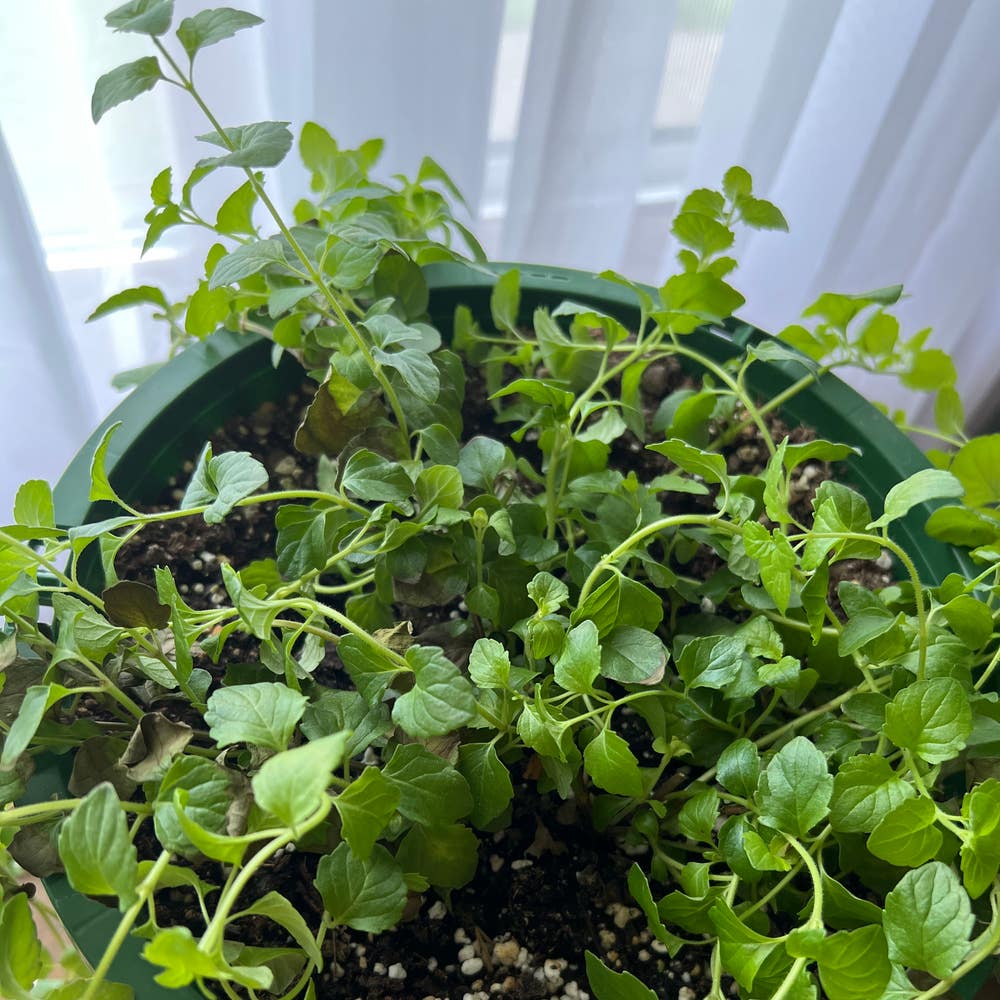
🌿 What It Means When Your Indian Mint Wilts
Coleus amboinicus
By the Greg Editorial Team
Nov 06, 2024•7 min read
This article was created with the help of AI so we can cover more plants for you. May contain errors. See one? Report it here.
Transform your wilting Indian Mint 🌱 into a thriving beauty by mastering essential care tips and solutions!
- 💧 Wilting Indian Mint often signals water stress from underwatering or overwatering.
- ☀️ Heat stress and low humidity can worsen wilting; monitor conditions closely.
- 🌱 Consistent care and proper drainage are essential to prevent and treat wilting.
Common Causes of Wilting Leaves
💧 Water Stress
Wilting leaves on your Indian Mint can often signal water stress. Symptoms include drooping leaves, dry soil, and leaf curling, which indicate that your plant is not getting the moisture it needs.
Underwatering
Underwatering occurs when you water infrequently, leading to dry soil conditions. This lack of moisture can quickly stress your plant, causing it to wilt.
Overwatering
Conversely, overwatering saturates the soil, leading to root rot and oxygen deprivation. This condition can be just as harmful, causing leaves to droop and turn yellow.
🔥 Heat Stress
Heat stress is another common culprit behind wilting leaves. Symptoms include wilting during hot weather, scorched leaf edges, and even leaf drop, all of which indicate that your plant is struggling to cope with high temperatures.
High Temperatures
Exposure to direct sunlight during peak hours can severely impact your Indian Mint. High temperatures can lead to rapid moisture loss, exacerbating wilting.
Insufficient Humidity
Dry air can contribute to moisture loss, making it essential to monitor humidity levels around your plant. Insufficient humidity can worsen the effects of heat stress, leaving your mint looking sad and droopy.
🦠 Disease-Related Wilting
Disease-related wilting can also affect your Indian Mint, though it’s less common.
Root Rot
Root rot is primarily caused by overwatering and poor drainage. This condition can lead to severe wilting and even plant death if not addressed promptly.
Fungal Infections
While fungal infections are rare, they can occur under specific conditions. Keep an eye out for any unusual discoloration or fungal growth, as these can be signs of trouble.
Uncommon Causes
Pathogenic wilt is unlikely but can happen in severely stressed plants. If you notice persistent wilting despite proper care, it may be time to investigate further.
Understanding these common causes of wilting leaves is crucial for maintaining a healthy Indian Mint. By identifying the underlying issues, you can take the necessary steps to revive your plant and prevent future wilting. Next, let’s explore how to diagnose wilting effectively.
Diagnosing Wilting
Diagnosing why your Indian Mint is wilting can be straightforward if you follow a systematic approach. Here’s a step-by-step guide to help you identify the underlying issues.
Step 1: Assess Soil Moisture 💧
Start by checking the top inch of the soil. If it feels dry, your plant may be underwatered; if it's soggy, overwatering could be the culprit.
Step 2: Evaluate Environmental Conditions 🌡️
Next, take a moment to monitor the temperature and humidity levels around your plant. Extreme heat or dry air can significantly impact your Indian Mint’s health.
Step 3: Inspect the Plant 🔍
Look closely at the plant for any signs of pests or disease. Discoloration, wilting, or fungal growth can indicate underlying problems that need addressing.
Step 4: Identify Watering Habits 💦
Review your watering schedule and methods. Consistency is key; erratic watering can lead to stress and wilting.
Step 5: Consider Recent Changes 🔄
Finally, think about any recent changes in the plant's environment. A new location or sudden temperature shift can affect its well-being.
By following these steps, you can effectively diagnose the cause of wilting in your Indian Mint. This understanding will pave the way for targeted solutions, ensuring your plant thrives once again.
Solutions for Wilting Indian Mint
🌊 Actionable Advice for Each Potential Cause
Addressing Water Stress
Underwatering can lead to wilting, so it's crucial to water your Indian Mint thoroughly until moisture reaches the root zone. Establishing a consistent watering schedule will help prevent dry soil conditions.
On the other hand, overwatering can be just as detrimental. Allow the soil to dry out before the next watering and ensure proper drainage by using well-draining soil to avoid root rot.
☀️ Mitigating Heat Stress
If your Indian Mint is wilting due to heat stress, consider relocating the plant to a shaded area during peak sunlight hours. Increasing humidity around the plant can also help; try using a humidity tray or misting the leaves to retain moisture.
🦠 Managing Disease-Related Wilting
For plants suffering from root rot, the first step is to remove any affected roots and repot the mint in fresh, well-draining soil. If fungal infections are present, apply appropriate fungicides and improve air circulation around the plant to promote recovery.
🌱 Techniques for Reviving a Wilted Indian Mint
Bottom watering technique: Place the pot in a shallow tray of water for 30 minutes. This allows the soil to absorb moisture from the bottom up.
Temporary relocation: Move the plant to a cooler, shaded area until it shows signs of recovery.
Pruning damaged leaves: Trim off wilted or dead leaves to encourage new growth and improve the plant's overall health.
By addressing these issues promptly, you can help your Indian Mint bounce back and thrive. Next, let’s explore preventive measures to minimize future wilting episodes.
Preventive Measures
Tips to Minimize Future Wilting Episodes 🌱
To keep your Indian Mint thriving, regularly monitor soil moisture and adjust your watering routine as needed. This simple practice helps prevent both underwatering and overwatering, which are common culprits of wilting.
Providing adequate shade during extreme heat is crucial. Consider relocating your plant or using shade cloth to shield it from harsh sunlight.
Proper drainage is essential for preventing root rot. Ensure your pot has drainage holes and use well-draining soil to promote healthy root growth.
Best Practices for Maintaining Healthy Indian Mint 🌿
Fertilizing with a balanced fertilizer during the growing season can significantly enhance your plant's vitality. This nourishment supports robust growth and resilience against stress.
Rotating your plant's location periodically is another effective strategy. This practice helps it adapt to varying light conditions and minimizes environmental stress, keeping your Indian Mint in peak condition.
By implementing these preventive measures and best practices, you can enjoy a flourishing Indian Mint that remains vibrant and healthy. Now, let’s explore the unique characteristics of this resilient plant.
Unique Characteristics
Sensitivity to Environmental Changes 🌡️
Indian Mint is a delicate plant that reacts strongly to changes in its environment. Fluctuations in water availability and temperature can lead to wilting, making it essential to monitor these factors closely.
This sensitivity means that even minor adjustments in care can significantly impact the plant's health. For instance, a sudden increase in heat or a missed watering session can quickly lead to drooping leaves and stress.
Understanding this characteristic is crucial for any gardener. By recognizing the signs of distress early, you can take proactive steps to ensure your Indian Mint thrives.
In summary, being attentive to your plant's needs will help you maintain its vitality. With the right care, you can enjoy a flourishing Indian Mint that adds beauty and flavor to your garden.
As we move forward, let’s explore how to diagnose wilting in your Indian Mint effectively.
When to Seek Help
🚨 Signs That Require Expert Assistance
If your Indian Mint continues to wilt despite your best efforts, it may be time to consult an expert. Persistent wilting can indicate underlying issues that are not easily resolved, such as severe disease or pest infestations.
Look for additional warning signs, like unusual discoloration or visible pests. These symptoms can signal that your plant needs more than just a little TLC.
🌱 Resources for Plant Care Support
When in doubt, local nurseries can be a fantastic resource. They often have knowledgeable staff who can provide tailored advice for your specific situation.
Additionally, online plant care communities are invaluable for sharing experiences and solutions. Engaging with fellow plant enthusiasts can offer fresh perspectives and support as you navigate your plant care journey.
⚠️ Safety First
This content is for general information and may contain errors, omissions, or outdated details. It is not medical, veterinary advice, or an endorsement of therapeutic claims.
Always consult a qualified healthcare professional before using any plant as food, medicine, or supplement.
Never eat any plant (or feed one to pets) without confirming its identity with at least two trusted sources.
If you suspect poisoning, call Poison Control (800) 222-1222, the Pet Poison Helpline (800) 213-6680, or your local emergency service immediately.
Spotted an error? Please report it here.
Revive your Indian Mint and keep it thriving 🌿 by using Greg's tailored watering reminders and community insights to master its care!