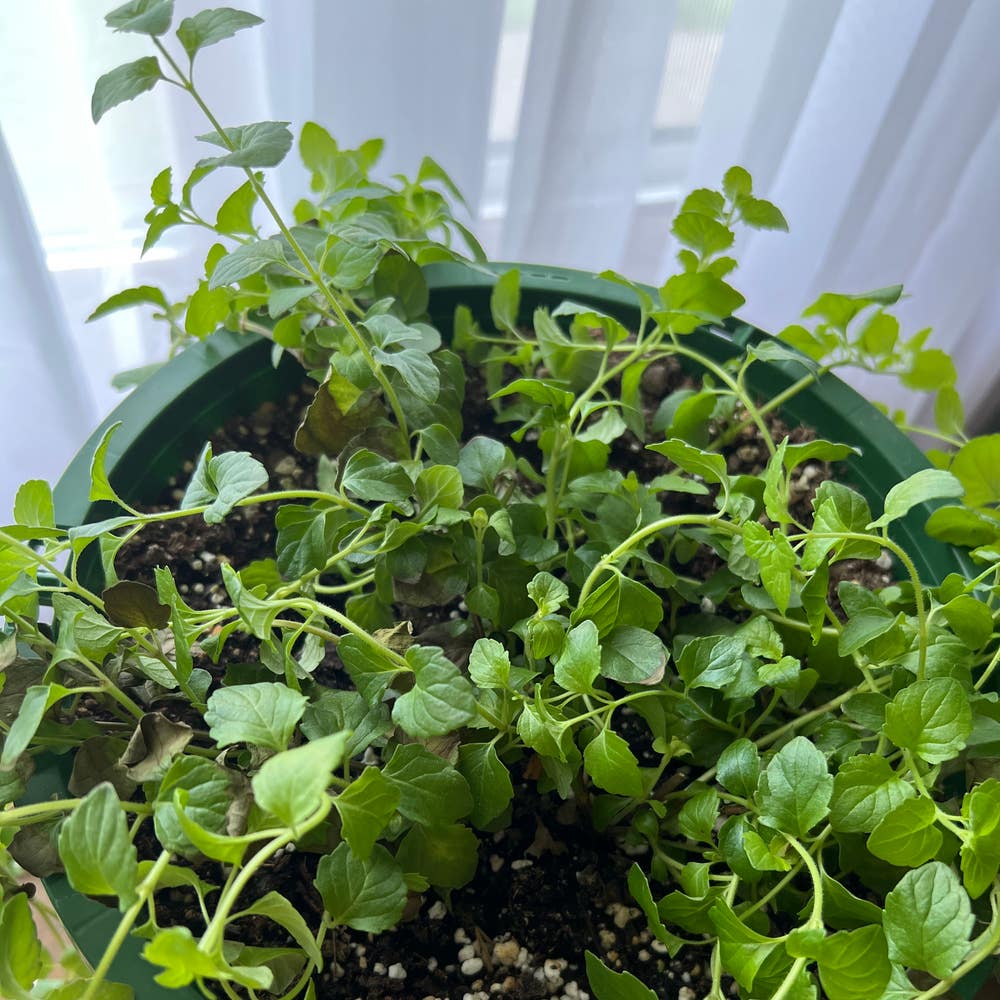
☀️ Ultimate Guide to Direct Sunlight for Indian Mint
Coleus amboinicus
By the Greg Editorial Team
Nov 06, 2024•4 min read
This article was created with the help of AI so we can cover more plants for you. May contain errors. See one? Report it here.
Master Indian Mint's sunlight needs 🌱 for vibrant growth and aromatic flavor in your garden!
- 🌞 Indian Mint thrives in direct sunlight but tolerates partial shade too.
- 🌿 Excessive sunlight causes leaf scorch; monitor exposure to prevent damage.
- 🪴 Optimal growth occurs near south or east-facing windows for best light.
Indian Mint and Sunlight Tolerance
🌞 Does Indian Mint Need Direct Sunlight?
Indian Mint thrives in direct sunlight but doesn’t strictly need it to flourish. It prefers a balanced light environment, doing well in conditions ranging from partial shade to full sun.
☀️ Can Indian Mint Tolerate Direct Sunlight?
While Indian Mint can tolerate direct sunlight, it has its limits. Different varieties, such as spearmint and peppermint, exhibit varying levels of tolerance to sun exposure.
🔆 Effects of Too Much Direct Sunlight on Indian Mint
Excessive direct sunlight can lead to several symptoms in Indian Mint, including leaf scorch, wilting, and browning edges. Over time, prolonged exposure can stunt growth and diminish the plant's aromatic qualities, impacting its overall health.
Understanding these aspects of sunlight tolerance is crucial for nurturing your Indian Mint. By providing the right balance of light, you can ensure your plant remains vibrant and healthy.
Window Direction and Sunlight
🌞 Importance of Window Direction for Sunlight Exposure
The direction your window faces plays a crucial role in how much sunlight your Indian Mint receives. South-facing windows are the champions here, offering the most direct sunlight, while north-facing windows typically provide only indirect light.
🌱 How Different Windows Affect Indian Mint Growth
🌞 South-Facing Windows
These windows are ideal for maximizing sunlight exposure. Your Indian Mint will thrive with the ample light they provide.
🌅 East-Facing Windows
East-facing windows are great for morning sun, which is gentler and less intense. This can be beneficial for your mint, allowing it to soak up energy without the harsh afternoon rays.
🌇 West-Facing Windows
West-facing windows deliver strong afternoon sunlight, which can be too intense for Indian Mint. Monitor your plant closely if you choose this option to prevent stress.
🌥️ North-Facing Windows
Generally, north-facing windows don’t provide enough light for optimal growth. If this is your only option, consider supplementing with grow lights to keep your mint healthy.
Understanding how window direction impacts sunlight exposure is key to nurturing your Indian Mint. With the right positioning, you can ensure your plant receives the light it needs to flourish.
Next, let’s explore how geographic considerations influence sunlight intensity and plant care.
Geographic Considerations
🌍 Role of Hemisphere in Sunlight Intensity
The hemisphere you live in significantly influences the angle and intensity of sunlight your plants receive. In the Northern Hemisphere, sunlight is more intense during the summer months, providing an ideal environment for Indian Mint to thrive.
Conversely, the Southern Hemisphere experiences similar effects, but the seasons are reversed. This means that while Northern Hemisphere gardeners enjoy robust sunlight in June, their Southern counterparts will see peak sunlight in December.
🌦️ Seasonal Variations in Sunlight Exposure
As the seasons change, so does the duration and intensity of sunlight. During summer, days are longer, and the sunlight is more intense, which can be beneficial for Indian Mint.
In winter, however, the days are shorter, and the sunlight is weaker. This shift requires you to adjust your plant care routine, ensuring your Indian Mint still gets the light it needs to flourish.
Practical Tips for Plant Parents
🌞 Signs of Too Much or Too Little Sunlight for Indian Mint
Recognizing the signs of sunlight stress is crucial for keeping your Indian Mint healthy. If your plant is getting too much sunlight, look for symptoms like leaf scorch, faded color, and wilting.
On the flip side, too little sunlight can lead to stunted growth, a leggy appearance, and pale leaves. Monitoring these signs will help you adjust care effectively.
🌅 Adjusting Sunlight Exposure for Optimal Growth
To optimize sunlight exposure, consider moving your pots to different locations based on their needs. This simple technique can make a significant difference in your plant's health.
Timing is also essential; gradually acclimate your Indian Mint to increased sunlight exposure to prevent shock. This approach helps your plant adjust without suffering from sudden changes.
🪴 Best Practices for Positioning Indian Mint Indoors or Outdoors
When positioning your Indian Mint indoors, aim for south or east-facing windows to provide optimal light. These locations ensure your plant receives the right amount of sunlight throughout the day.
Outdoors, choose a spot with partial shade during the hottest parts of the day. This balance protects your mint from harsh conditions while still allowing it to thrive.
Regularly check your plant's health and adjust its positioning as needed. This proactive approach will keep your Indian Mint vibrant and flourishing.
As you refine your care routine, you'll find that small adjustments can lead to significant improvements in your plant's growth and vitality. Now, let’s explore how geographic considerations can further influence your Indian Mint's sunlight exposure.
⚠️ Safety First
This content is for general information and may contain errors, omissions, or outdated details. It is not medical, veterinary advice, or an endorsement of therapeutic claims.
Always consult a qualified healthcare professional before using any plant as food, medicine, or supplement.
Never eat any plant (or feed one to pets) without confirming its identity with at least two trusted sources.
If you suspect poisoning, call Poison Control (800) 222-1222, the Pet Poison Helpline (800) 213-6680, or your local emergency service immediately.
Spotted an error? Please report it here.
Keep your Indian Mint flourishing 🌱 by using Greg's tailored light management tips to ensure it gets just the right amount of sunlight for optimal growth!