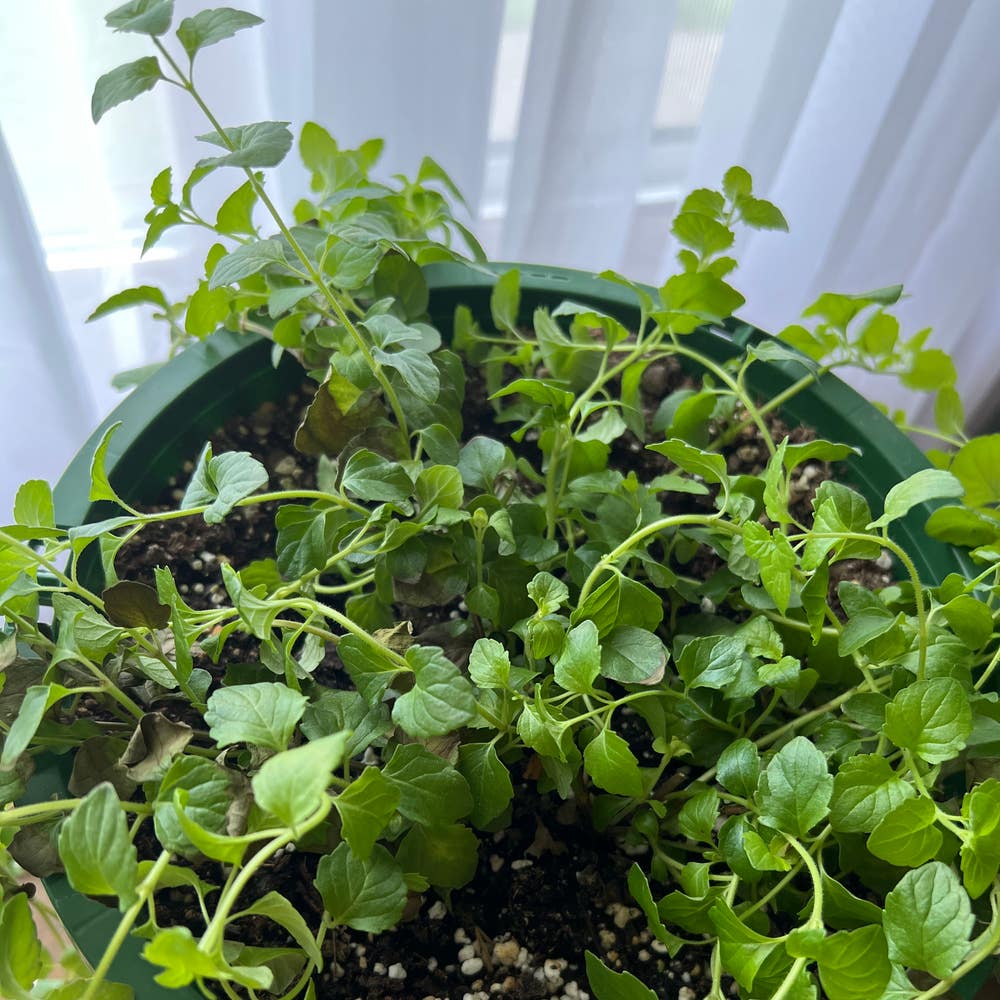
4 Tips for Healing Curling Leaves on Your Indian Mint
Coleus amboinicus
By the Greg Editorial Team
Nov 06, 2024•5 min read
This article was created with the help of AI so we can cover more plants for you. May contain errors. See one? Report it here.
Transform curling Indian mint leaves 🌱 into vibrant growth with these essential diagnosis and treatment tips!
- 🌱 Curling leaves indicate stress; look for discoloration and distortion for early signs.
- 🔍 Regular inspections for pests help catch infestations before they worsen.
- 💧 Maintain consistent soil moisture and allow drying to prevent root rot.
Diagnosing Curling Leaves
🌿 Identifying Symptoms of Leaf Curl
Curling leaves on your Indian mint can signal various issues. Look for visual signs like curling edges, discoloration, and distortion, which can indicate stress or damage.
Timing is crucial; observe these changes during different growth stages. Early detection can help you address problems before they escalate.
🐛 Differentiating Between Pest Damage and Environmental Stress
Understanding the cause of leaf curl is essential. Pest damage often presents with visible insects, honeydew, or webbing on the leaves.
In contrast, environmental stress may show no pests but includes signs like wilting or discoloration. Identifying the source will guide your treatment approach.
🌱 Assessing Soil Conditions and Moisture Levels
Soil conditions play a vital role in your mint's health. Check for consistent moisture without waterlogging, as mint prefers evenly moist soil.
Additionally, ensure your soil composition is well-draining. This is crucial for preventing root rot and promoting healthy growth in your Indian mint.
By diagnosing these symptoms accurately, you can take the necessary steps to restore your plant's vitality. Next, let’s explore effective treatments for curling leaves.
Treating Curling Leaves
🐞 Step-by-Step Guide to Pest Control
To tackle pest issues effectively, start by inspecting your Indian mint plants regularly. Look for any signs of pests, such as tiny insects or webbing, which can indicate an infestation.
Next, apply insecticidal soap or neem oil to combat these pests. Be sure to follow the product instructions for proper dilution and spray it on the affected areas, ensuring thorough coverage for maximum effectiveness.
Repeat this treatment every 7-10 days until you notice a significant reduction in pest activity. Consistency is key to regaining control over your plants.
💧 Adjusting Watering Practices to Alleviate Stress
Watering practices play a crucial role in your mint's health. Aim to maintain consistent moisture levels, allowing the top inch of soil to dry out between waterings to prevent over-saturation.
Be vigilant for signs of overwatering, such as wilting, yellowing leaves, or root rot. Adjust your watering schedule accordingly to keep your mint thriving.
🌱 Fertilization Tips to Correct Nutrient Deficiencies
Fertilization is essential for correcting nutrient deficiencies that may lead to curling leaves. A balanced NPK fertilizer, like a 10-10-10 mix, or organic options such as compost can work wonders.
Apply fertilizer every 4-6 weeks during the growing season to ensure your mint receives the nutrients it needs to flourish. Timing is everything when it comes to plant health.
✂️ Pruning Affected Leaves for Plant Health
Pruning is a proactive step in maintaining the health of your Indian mint. As soon as you notice the first signs of leaf curl, it's time to act.
Use clean, sharp scissors to remove the affected leaves. This not only helps prevent the spread of any potential issues but also encourages new growth and vitality in your plant.
By following these treatment steps, you can effectively address curling leaves on your Indian mint and promote a healthier, more vibrant plant. Next, let’s explore how to prevent leaf curl from occurring in the first place.
Preventing Leaf Curl
🌱 Best Practices for Indian Mint Care
To keep your Indian mint thriving, regular watering is essential. Aim for consistent soil moisture, ensuring it doesn’t dry out completely.
Fertilization is another key factor. Use balanced nutrients to support healthy growth, which can prevent leaf curl from nutrient deficiencies.
☀️ Ideal Growing Conditions
Your mint loves light! Provide full sun to partial shade, ideally 6-8 hours of sunlight daily, to encourage robust growth.
Temperature control is crucial as well. Keep your mint within the ideal range to avoid stress, which can lead to curling leaves.
Humidity matters too. Aim for moderate to high humidity levels to create a comfortable environment for your mint.
🕵️♂️ Regular Monitoring for Pests and Diseases
Make it a habit to conduct weekly inspections of your plants. Look for signs of pests or diseases that could threaten their health.
Early intervention is vital. Address any issues promptly to prevent escalation and protect your mint from further damage.
🌿 Soil Preparation and Maintenance Tips
Start with the right soil type. Use well-draining, fertile soil to provide a solid foundation for your mint.
Don’t forget about mulching! Applying organic mulch helps retain moisture and suppress weeds, creating a healthier growing environment.
By following these preventive measures, you can help ensure your Indian mint remains healthy and vibrant. This proactive approach not only enhances growth but also minimizes the risk of leaf curl, setting the stage for a flourishing herb garden.
Next, let’s explore seasonal considerations that can further impact the health of your Indian mint.
Seasonal Considerations
🌱 Seasonal Changes Affecting Indian Mint Health
As the seasons shift, so does the care your Indian mint requires. In spring, when growth resumes, increase watering and fertilization to support its revitalization.
During the summer heat, keep a close eye on your plants. Signs of stress, such as wilting or discoloration, may indicate that adjustments to your care routine are necessary.
🔄 Adjusting Care Routines Based on Growth Cycles
Understanding the growth cycles of your mint is crucial for its health. Recognize when your plant is in active growth versus dormancy to tailor your care effectively.
During active growth, provide consistent watering and nutrients. In contrast, during dormancy, reduce these inputs to prevent overwatering and stress.
❄️ Preparing for Winter Dormancy and Spring Growth
Winter is a time for your Indian mint to rest. Reduce watering and protect it from frost to ensure it survives the colder months.
As spring approaches, gradually increase watering and resume fertilization. This gentle awakening will help your mint thrive as temperatures rise and growth resumes.
With these seasonal considerations in mind, you can ensure your Indian mint remains healthy and vibrant throughout the year.
⚠️ Safety First
This content is for general information and may contain errors, omissions, or outdated details. It is not medical, veterinary advice, or an endorsement of therapeutic claims.
Always consult a qualified healthcare professional before using any plant as food, medicine, or supplement.
Never eat any plant (or feed one to pets) without confirming its identity with at least two trusted sources.
If you suspect poisoning, call Poison Control (800) 222-1222, the Pet Poison Helpline (800) 213-6680, or your local emergency service immediately.
Spotted an error? Please report it here.
Keep your Indian mint thriving 🌿 by using Greg's personalized care tips and reminders to catch issues early and maintain consistent moisture for vibrant growth!