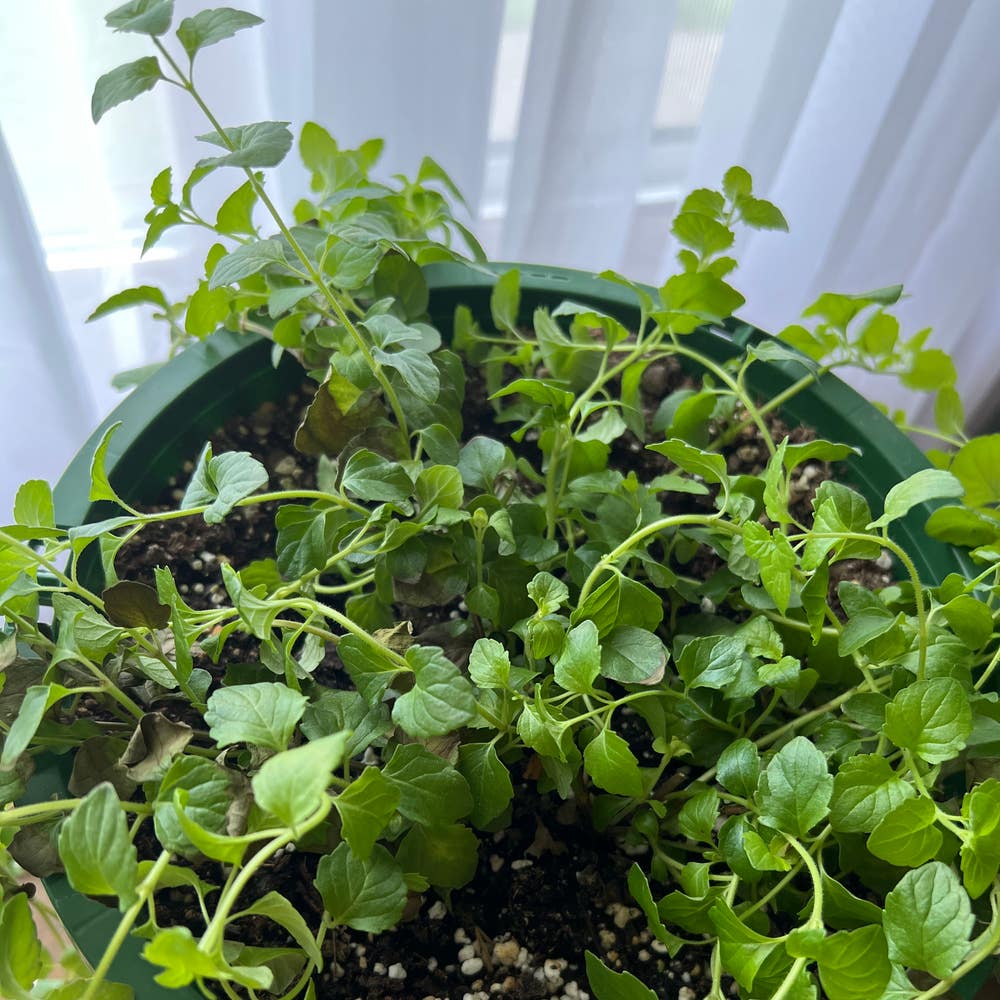
Managing Leaf Drop on Your Indian Mint
Coleus amboinicus
By the Greg Editorial Team
Nov 06, 2024•5 min read
This article was created with the help of AI so we can cover more plants for you. May contain errors. See one? Report it here.
Transform your Indian Mint's health and prevent leaf drop with these vital care strategies! 🌿
- 🌱 Leaf drop in Indian Mint results from overwatering, underwatering, pests, or nutrient issues.
- 💧 Water when the top inch of soil is dry to prevent leaf drop.
- 🐛 Regular pest inspections are vital; look for holes, discoloration, and webbing.
Diagnosing Leaf Drop Issues
🚰 Signs of Overwatering and Underwatering
Understanding the signs of overwatering and underwatering is crucial for maintaining healthy Indian Mint.
Overwatering symptoms include leaf yellowing and drooping. If you inspect the roots and find them black and mushy, it's a clear indication that your plant is suffering from too much water.
On the other hand, underwatering symptoms manifest as wilting leaves with browning edges. A quick soil moisture check will reveal dry, crumbly soil, signaling that your mint needs a drink.
🐛 Identifying Pest Infestations
Pest infestations can also lead to leaf drop, so regular inspections are essential.
Start with a visual inspection, checking the undersides of leaves for pests. Look for signs of damage such as holes, discoloration, and webbing, which indicate that your plant is under attack.
Additionally, keep an eye out for disease symptoms. Fungal growth on leaves or unusual spots and lesions can signal a serious issue that needs addressing.
🥦 Recognizing Nutrient Deficiencies
Nutrient deficiencies can significantly impact the health of your Indian Mint.
Common deficiencies include nitrogen deficiency, which causes yellowing leaves and stunted growth. Magnesium deficiency is another concern, often presenting as interveinal chlorosis, where the area between leaf veins turns yellow.
To diagnose these issues, consider soil testing methods. pH testing is vital, with the ideal range for Indian Mint being between 6.0 and 7.0. Nutrient testing kits can also help assess nutrient levels in your soil, ensuring your mint gets the nourishment it needs.
By diagnosing these leaf drop issues early, you can take proactive steps to restore your Indian Mint to its vibrant self. Next, we’ll explore effective prevention strategies to keep your plant healthy and thriving.
Preventing Leaf Drop
🌊 Best Watering Practices for Indian Mint
Watering your Indian Mint correctly is crucial for its health. A good rule of thumb is to water when the top inch of soil feels dry.
In hotter months, you may need to adjust your watering frequency. More frequent watering ensures your plant stays hydrated and happy.
Techniques for Effective Watering
Deep watering is essential to ensure moisture reaches the root zone. This method encourages roots to grow deeper, promoting a stronger plant.
Avoid waterlogging by using pots with drainage holes. Proper drainage prevents root rot and keeps your mint thriving.
🌱 Ideal Soil Conditions and Drainage
The right soil composition is vital for your Indian Mint. A recommended mix includes 50% potting soil, 25% perlite, and 25% compost.
Importance of Drainage
Watch for signs of poor drainage, such as water pooling on the surface. This can lead to root issues and ultimately leaf drop.
To improve drainage, consider amending your soil with sand or perlite. These additions help create a well-aerated environment for your mint.
🌿 Proper Fertilization Techniques
Fertilizing your Indian Mint can boost its growth and vitality. Use a balanced NPK fertilizer (10-10-10) or organic options for the best results.
Timing is key; fertilize every 4-6 weeks during the growing season. This regular feeding supports healthy leaf development.
Signs of Over-Fertilization
Be cautious not to over-fertilize, as this can lead to leaf burn. Look for brown tips and edges as indicators of nutrient overload.
Excessive leaf drop can also signal that your plant is overwhelmed by too many nutrients. Monitoring your fertilization routine is essential for maintaining plant health.
With these preventive measures in place, your Indian Mint will be well-equipped to thrive. Next, we’ll explore how to treat leaf drop effectively when it occurs.
Treating Leaf Drop
Step-by-Step Guide to Addressing Overwatering 🌊
Overwatering can be a silent killer for your Indian Mint. Start by assessing the soil moisture; a moisture meter or a simple finger test can help you gauge if the soil is too wet.
Next, adjust your watering schedule. Reduce both the frequency and the amount of water you provide to allow the plant to recover.
Improving drainage is crucial. Consider repotting your mint in fresh, well-draining soil to prevent water from pooling around the roots.
Finally, monitor your plant's recovery. Look for signs of new growth and improved leaf health as indicators that your adjustments are working.
How to Manage Pest Problems Effectively 🐜
Pests can wreak havoc on your Indian Mint, so identifying them early is key. Use a magnifying glass for a close inspection of leaves and stems to spot any unwanted guests.
Once identified, choose appropriate control methods. Neem oil or insecticidal soap can effectively tackle common pests like aphids and spider mites.
Implement preventive measures to keep pests at bay. Regularly check your plants and maintain cleanliness around them to minimize infestations.
Lastly, monitor your plant's health. Keep an eye out for signs of recovery or any further pest issues that may arise.
Adjusting Environmental Conditions for Optimal Growth 🌱
Light plays a significant role in your mint's health. If your plant isn't thriving, consider moving it to a location with better light exposure.
Using sheer curtains can help diffuse harsh sunlight, providing a more balanced light environment for your mint.
Temperature control is equally important. Aim for an ideal range of 18°C to 24°C (65°F to 75°F) to keep your plant comfortable.
During extreme heat, protect your mint with shade cloths or relocate it indoors to shield it from scorching temperatures.
By addressing these factors, you can create an optimal environment for your Indian Mint, ensuring it thrives and flourishes.
⚠️ Safety First
This content is for general information and may contain errors, omissions, or outdated details. It is not medical, veterinary advice, or an endorsement of therapeutic claims.
Always consult a qualified healthcare professional before using any plant as food, medicine, or supplement.
Never eat any plant (or feed one to pets) without confirming its identity with at least two trusted sources.
If you suspect poisoning, call Poison Control (800) 222-1222, the Pet Poison Helpline (800) 213-6680, or your local emergency service immediately.
Spotted an error? Please report it here.
Revive your Indian Mint and watch it flourish 🌱 by using Greg for tailored watering alerts and pest control tips that keep your plant healthy and vibrant!