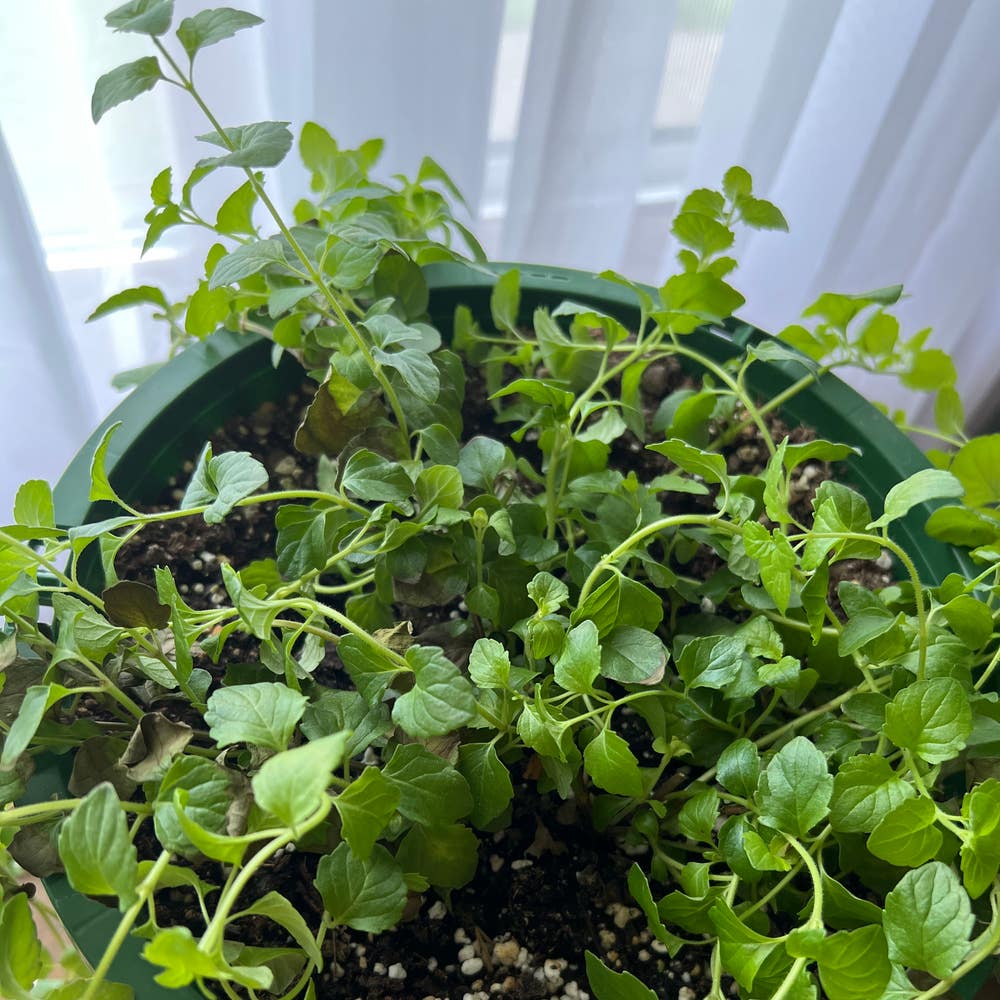
📏 Indian Mint Height and Width Guide
Coleus amboinicus
By the Greg Editorial Team
Nov 06, 2024•5 min read
This article was created with the help of AI so we can cover more plants for you. May contain errors. See one? Report it here.
Elevate your garden with fast-growing Indian Mint, adaptable to any space and bursting with vibrant greenery! 🌱
- 🌱 Indian Mint grows 12-36 inches tall and spreads up to 24 inches wide.
- ☀️ Full sun (6-8 hours) is essential for optimal growth and size.
- 🌿 Dwarf and giant varieties offer options for small spaces or larger gardens.
Mature Height and Width
📏 Typical Dimensions
The mature height of Indian Mint typically ranges from 12 to 36 inches (30 to 90 cm), depending on the growing conditions. This variability allows it to adapt to different environments, making it a versatile choice for gardeners.
The mature width can spread up to 24 inches (60 cm) or more, thanks to its rhizomatous growth habit. This means it can fill out a space quickly, providing lush greenery and a vibrant appearance.
🌱 Growth Habits
Indian Mint exhibits an upright growth pattern with bushy foliage, which can create a stunning visual impact in any garden. However, in windy areas, it may require some support to prevent bending or breaking.
Seasonal changes also play a role in its growth, with height peaking during the summer months. This seasonal variability can be a fascinating aspect to observe as your plants thrive in the warmer weather.
As you consider planting Indian Mint, keep these growth characteristics in mind. They will help you plan for the space and support your plants may need as they flourish.
Growth Rate and Time to Maturity
🌱 Growth Rate
Indian mint is known for its impressive growth rate. It often reaches full size within just one growing season, making it a favorite among gardeners looking for quick results.
Several factors can influence this growth rate. Soil quality, watering practices, and sunlight exposure play crucial roles in determining how robust your Indian mint will become.
⏳ Time to Maturity
Typically, Indian mint takes about 3 to 4 months to reach its mature dimensions under optimal conditions. This relatively short timeframe allows gardeners to enjoy the benefits of their plants sooner rather than later.
When it comes to seasonal growth, timing your planting can make a significant difference. Planting in spring usually leads to a bountiful summer harvest, while fall planting may delay maturity, so plan accordingly to maximize your yield.
With a solid understanding of growth rates and timeframes, you can better anticipate the needs of your Indian mint and ensure a thriving garden. Next, let’s explore how environmental factors can impact size variability in your plants.
Size Variability
🌍 Environmental Impact on Size
The size of Indian Mint can vary significantly based on environmental factors. Soil quality plays a crucial role; rich, loamy soils encourage larger growth, while poor soils can stunt development.
Watering practices are equally important. Consistent moisture leads to optimal growth, whereas drought conditions can hinder size.
Sunlight exposure is another key factor. Indian Mint thrives in full sun, requiring 6 to 8 hours of sunlight daily to reach its maximum height. In contrast, partial shade may limit its growth potential.
📏 Size Variability Among Cultivars
Not all Indian Mint plants are created equal. Differences in growth patterns among cultivars can lead to variations in height and width, influenced by genetic factors.
For instance, while the common Indian Mint may reach a certain size, specific cultivars might be shorter or taller. This variability can be fascinating for gardeners looking to diversify their planting options.
Understanding these differences helps in selecting the right variety for your garden, ensuring that you achieve the desired aesthetic and functional outcomes.
As we explore more about Indian Mint, the next section will delve into the various varieties available, highlighting their unique characteristics and ideal growing conditions.
Varieties
🌱 Dwarf Varieties
Dwarf Indian Mint varieties typically reach heights of 6 to 12 inches (15 to 30 cm). These compact plants are perfect for container gardening and small spaces, offering a less vigorous growth habit compared to their standard counterparts.
Dwarf varieties are ideal for those looking to add a touch of greenery without overwhelming their garden. They thrive in limited spaces, making them a favorite for urban gardeners.
🌳 Giant Varieties
On the other end of the spectrum, giant Indian Mint varieties can exceed 36 inches (90 cm) in height. These robust plants boast more substantial foliage, creating a striking presence in any garden.
Giant varieties are best suited for larger garden spaces where they can truly flourish. However, they may require more maintenance due to their size, so be prepared for some extra care.
Understanding the differences between dwarf and giant varieties can help you choose the right type for your gardening needs. Whether you're limited on space or looking to make a bold statement, there's an Indian Mint variety that fits your vision perfectly.
As we explore further, let's dive into how to control the size of these vibrant plants for optimal growth and health.
Controlling Size
✂️ Pruning Techniques
Pruning is essential for controlling the size of Indian Mint. It encourages bushier growth and keeps the plant at a manageable height.
For best results, prune in early spring before new growth begins. You can also trim back after flowering to maintain shape and vigor.
🌱 Spacing and Planting Density
Proper spacing is crucial for healthy growth. Aim to plant Indian Mint 12 to 18 inches (30 to 45 cm) apart to allow for adequate spread.
Be mindful of planting density; closer spacing can lead to competition for resources, which may stunt overall size and health.
🪴 Container Growth Considerations
When growing Indian Mint in containers, choose a pot that is at least 12 inches (30 cm) in diameter. This size provides enough room for root development.
Keep in mind that container growth can limit size. Regular repotting may be necessary to accommodate larger plants and ensure they thrive.
Controlling the size of your Indian Mint not only enhances its aesthetic appeal but also promotes healthier growth. Next, we’ll explore the different varieties available, each with its unique characteristics and benefits.
⚠️ Safety First
This content is for general information and may contain errors, omissions, or outdated details. It is not medical, veterinary advice, or an endorsement of therapeutic claims.
Always consult a qualified healthcare professional before using any plant as food, medicine, or supplement.
Never eat any plant (or feed one to pets) without confirming its identity with at least two trusted sources.
If you suspect poisoning, call Poison Control (800) 222-1222, the Pet Poison Helpline (800) 213-6680, or your local emergency service immediately.
Spotted an error? Please report it here.
Grow lush Indian Mint 🌱 with Greg's tailored care tips and reminders, ensuring your garden flourishes beautifully all season long!