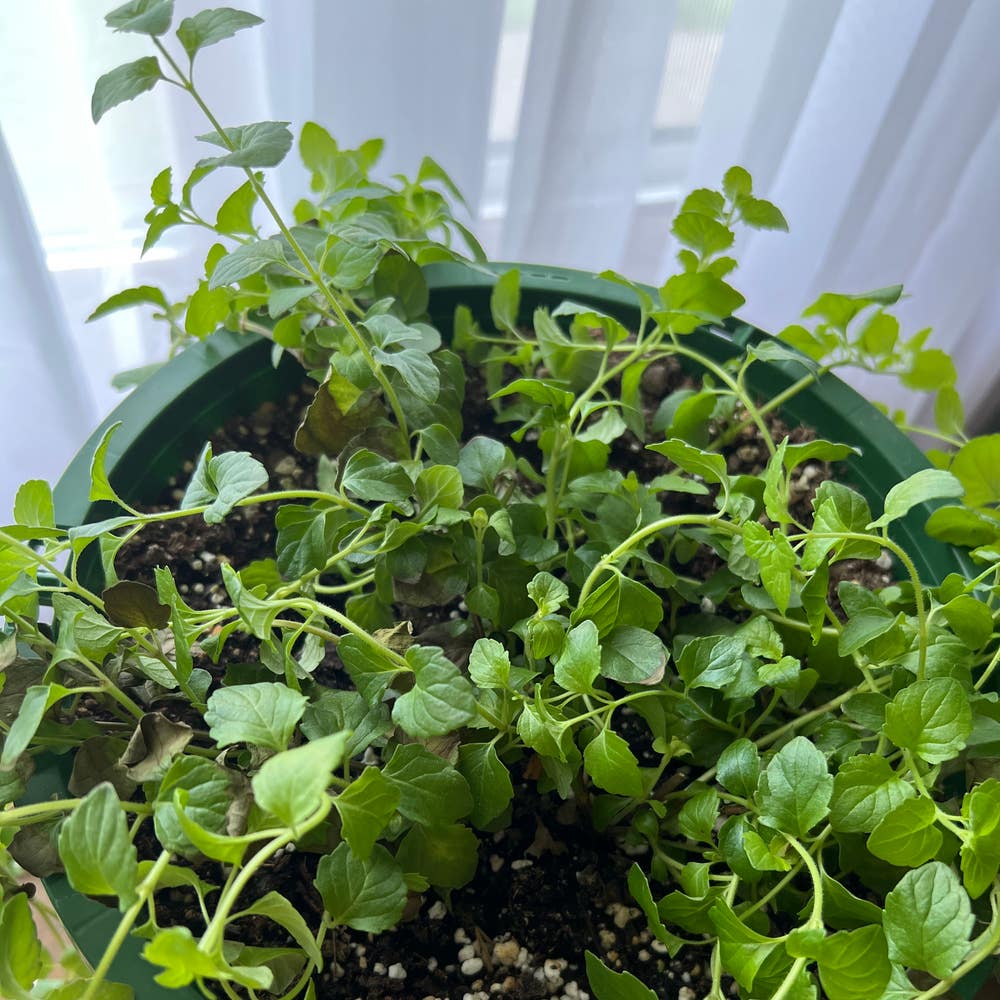
8 Facts About Indian Mint Lifecycle
Coleus amboinicus
By the Greg Editorial Team
Nov 06, 2024•5 min read
This article was created with the help of AI so we can cover more plants for you. May contain errors. See one? Report it here.
Cultivate vibrant Indian mint 🌱 from seed to harvest with this essential guide for thriving growth and bountiful flavor!
- 🌱 Indian mint seeds germinate in 7-14 days with optimal soil and moisture conditions.
- 🌼 Mature plants flower in late summer, attracting beneficial insects for pollination.
- 🌿 Lifecycle stages include germination, growth, flowering, and seed production for healthy harvests.
Germination Stage
Duration of Germination 🌱
Germination of Indian mint seeds typically takes between 7 to 14 days. For the best results, aim for a temperature range of 65°F to 75°F (18°C to 24°C).
Conditions for Successful Germination 🌿
To ensure successful germination, the soil should be well-draining and rich in organic matter.
Maintaining a consistently moist environment is crucial, but avoid waterlogging the soil.
Additionally, provide indirect sunlight or partial shade to create the ideal conditions for your seeds to sprout.
By meeting these requirements, you set the stage for healthy growth as your mint begins its lifecycle.
Next, we’ll explore the seedling stage and what to expect as your mint plants begin to take shape.
Seedling Stage
🌱 Characteristics of Seedlings
During the seedling stage, Indian mint showcases small, tender leaves that radiate a bright green hue. Typically, these seedlings stand at a height of 2-4 inches, marking the early growth phase.
The root development at this stage is crucial, as a shallow root system begins to establish itself. This foundation is essential for the plant's future growth and stability.
⏳ Duration of the Seedling Stage
The seedling stage lasts about 2-4 weeks, during which the seedlings prepare to develop true leaves. This transition occurs when they reach a height of 4-6 inches, signaling their readiness to move into the vegetative growth stage.
As these seedlings grow, they set the stage for a vibrant and healthy mint plant. Understanding this phase is key to nurturing your mint effectively and ensuring a bountiful harvest.
With the seedlings established, we can now explore the exciting vegetative growth stage that follows.
Vegetative Growth Stage
Growth Rate and Conditions 🌱
During the vegetative growth stage, Indian mint experiences rapid growth, often reaching heights of up to 2 feet in optimal conditions. To thrive, it requires full sun to partial shade, consistent moisture, and nutrient-rich soil.
Notable Changes During Vegetative Growth 🌿
As the plant matures, you'll notice significant changes. The leaves grow larger and emit a more aromatic scent, enhancing the plant's appeal.
The stems also undergo transformation; they become more pronounced and sturdy, showcasing their square shape. Additionally, rhizomes start to develop, allowing the plant to spread and establish a more extensive root system.
This stage is crucial for setting the foundation for future growth and flowering. With the right care, your Indian mint will flourish, paving the way for a bountiful harvest.
As we transition to the flowering stage, understanding these growth dynamics will help you nurture your mint effectively.
Flowering Stage
Timing of Flowering 🌸
The flowering stage of Indian mint typically occurs in late summer to early fall, about 8 to 12 weeks after planting. This period is crucial, as several factors influence flowering, including adequate sunlight, moisture, and nutrient availability.
Characteristics of Flowers 🌼
During this stage, you'll notice small purple or white flowers that cluster in whorls along the stems. These vibrant blooms not only enhance the plant's beauty but also attract bees and other beneficial insects, playing a vital role in pollination.
The flowering stage is a remarkable time in the lifecycle of Indian mint, showcasing its ability to thrive and contribute to the ecosystem. As the flowers develop, they signal the plant's readiness to reproduce, ensuring the continuation of its lineage.
This stage is not just about aesthetics; it’s a critical phase that supports the overall health of the plant. With the right conditions, your Indian mint will flourish, bringing both beauty and utility to your garden.
As we transition to the next stage, let's explore how Indian mint produces seeds and the conditions necessary for successful seed development.
Seed Production Stage
Process of Seed Production 🌼
Pollination is a crucial step in the seed production stage of Indian mint. This process primarily relies on insects, which play a vital role in transferring pollen and facilitating seed formation.
Once pollination occurs, seeds begin to develop within the flower heads. This transformation is essential for the continuation of the plant's lifecycle.
Duration and Conditions for Seed Production ⏳
The timeframe for seed production spans approximately 4-6 weeks from the moment flowering begins until the seeds reach maturity.
To ensure successful seed development, the plant requires consistent moisture and nutrient support. These conditions are vital for nurturing the seeds as they grow and prepare for dispersal.
As we explore the lifecycle of Indian mint, it’s fascinating to see how each stage builds upon the last, leading to a thriving plant ready for cultivation.
Growth Rate and Maturation
How Long Until Indian Mint is Fully Grown? 🌱
Indian mint typically takes about 3-4 months to grow from seed to a mature plant. This timeframe can vary based on several factors, including soil quality, water availability, and light exposure.
Factors Affecting Growth Rate 🌿
Soil fertility plays a crucial role in growth. Rich, organic soils can significantly speed up the growth process.
Watering frequency is another key factor. Consistent moisture is essential for optimal growth, ensuring the plant thrives without stress.
Temperature also influences growth rates. Warmer conditions generally lead to faster development, making it important to monitor the environment.
Notable Changes Throughout the Lifespan 📈
The growth habit of Indian mint is fascinating. Initially, it experiences rapid growth, quickly establishing itself before spreading through rhizomes.
However, after 2-3 years, plants may enter a decline phase. During this time, they can become less vigorous, necessitating rejuvenation through division or replanting to maintain health and productivity.
As you cultivate your Indian mint, keep these factors in mind to ensure a thriving garden. Next, we’ll explore the flowering stage and what to expect as your mint matures.
⚠️ Safety First
This content is for general information and may contain errors, omissions, or outdated details. It is not medical, veterinary advice, or an endorsement of therapeutic claims.
Always consult a qualified healthcare professional before using any plant as food, medicine, or supplement.
Never eat any plant (or feed one to pets) without confirming its identity with at least two trusted sources.
If you suspect poisoning, call Poison Control (800) 222-1222, the Pet Poison Helpline (800) 213-6680, or your local emergency service immediately.
Spotted an error? Please report it here.
Unlock the secrets of Indian mint's lifecycle 🌱 and let Greg guide you with custom care tips to ensure your mint flourishes from seed to harvest!