🌸 Getting Your Indian Mint to Bloom
Coleus amboinicus
By the Greg Editorial Team
Nov 06, 2024•2 min read
This article was created with the help of AI so we can cover more plants for you. May contain errors. See one? Report it here.
Unlock the secrets of Indian Mint's blooms 🌱 and learn how to make your garden thrive with this aromatic gem!
- 🌸 Indian Mint does bloom, producing small pale purple or white flowers in clusters.
- ☀️ Encourage blooming with 6-8 hours of sunlight and balanced fertilizer during growth.
- ⏳ Blooming lasts 1-2 weeks, occurring from late summer to early fall.
Flowering Status of Indian Mint
🌸 Does Indian Mint Produce Flowers?
Yes, Indian Mint does produce flowers, though they may not be the star of the show. These flowers are small and tubular, typically showcasing pale purple or white hues.
🌼 If Indian Mint Flowers
Flower Characteristics
The flowers of Indian Mint are delicate, appearing in clusters on flower spikes. While the plant primarily self-pollinates, it can also benefit from the presence of external pollinators.
🌱 Blooming Process
The blooming process involves several stages: bud formation, opening, and reaching full bloom. Generally, Indian Mint blooms from late summer to early fall, taking about 2-4 weeks from bud to full flower.
Flowers usually last for 1-2 weeks before wilting, marking a brief but beautiful period in the plant's life cycle.
🌞 Encouraging Blooms
To encourage blooming, ensure your Indian Mint receives 6-8 hours of sunlight daily and adequate moisture. Fertilizing with a balanced fertilizer during the growing season can also promote healthy blooms.
Soil quality is crucial; well-drained, nutrient-rich soil enhances blooming potential. Additionally, environmental factors like temperature and humidity play significant roles in the blooming process.
🍃 Post-Flowering
After flowering, Indian Mint redirects its energy towards foliage growth. Importantly, the plant does not die after blooming; it continues to thrive and can produce new growth.
🌿 If Indian Mint Doesn't Flower
Primary Ornamental or Functional Features
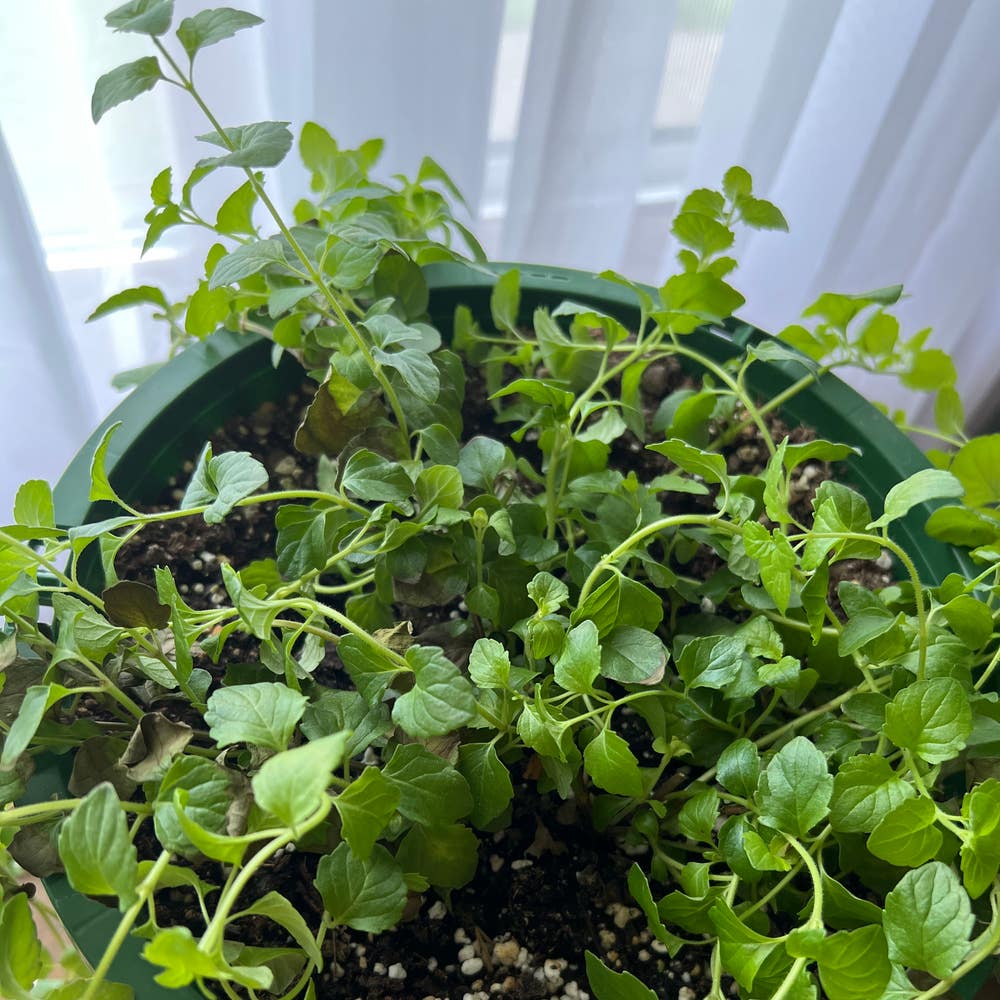
Even without flowers, Indian Mint shines with its aromatic foliage, which serves as its primary ornamental feature. It’s also a culinary gem, adding flavor to dishes, teas, and herbal remedies.
🌾 Explanation of Reproduction Without Flowers
Indian Mint can reproduce vegetatively through runners, allowing it to spread without the need for flowering. This adaptability ensures that the plant can thrive in various conditions.
🌟 Unique Aspects of Indian Mint
Unusual Characteristics Related to Flowering or Non-Flowering Nature
Despite its limited flowering, Indian Mint thrives in diverse environments. Its resilience is a testament to its ability to adapt and flourish.
🧠 Interesting Facts or Trivia About Indian Mint's Reproductive Strategy
Historically, Indian Mint has been valued in traditional medicine and culinary practices. Its non-flowering nature contributes to its resilience, making it a robust choice for gardens.
As we explore further, let’s delve into the unique characteristics that make Indian Mint a fascinating addition to any garden.
⚠️ Safety First
This content is for general information and may contain errors, omissions, or outdated details. It is not medical, veterinary advice, or an endorsement of therapeutic claims.
Always consult a qualified healthcare professional before using any plant as food, medicine, or supplement.
Never eat any plant (or feed one to pets) without confirming its identity with at least two trusted sources.
If you suspect poisoning, call Poison Control (800) 222-1222, the Pet Poison Helpline (800) 213-6680, or your local emergency service immediately.
Spotted an error? Please report it here.
Unlock the blooming potential of your Indian Mint 🌱 with Greg's personalized care tips, ensuring they get the sunlight and nutrients they need for those lovely flowers to thrive!