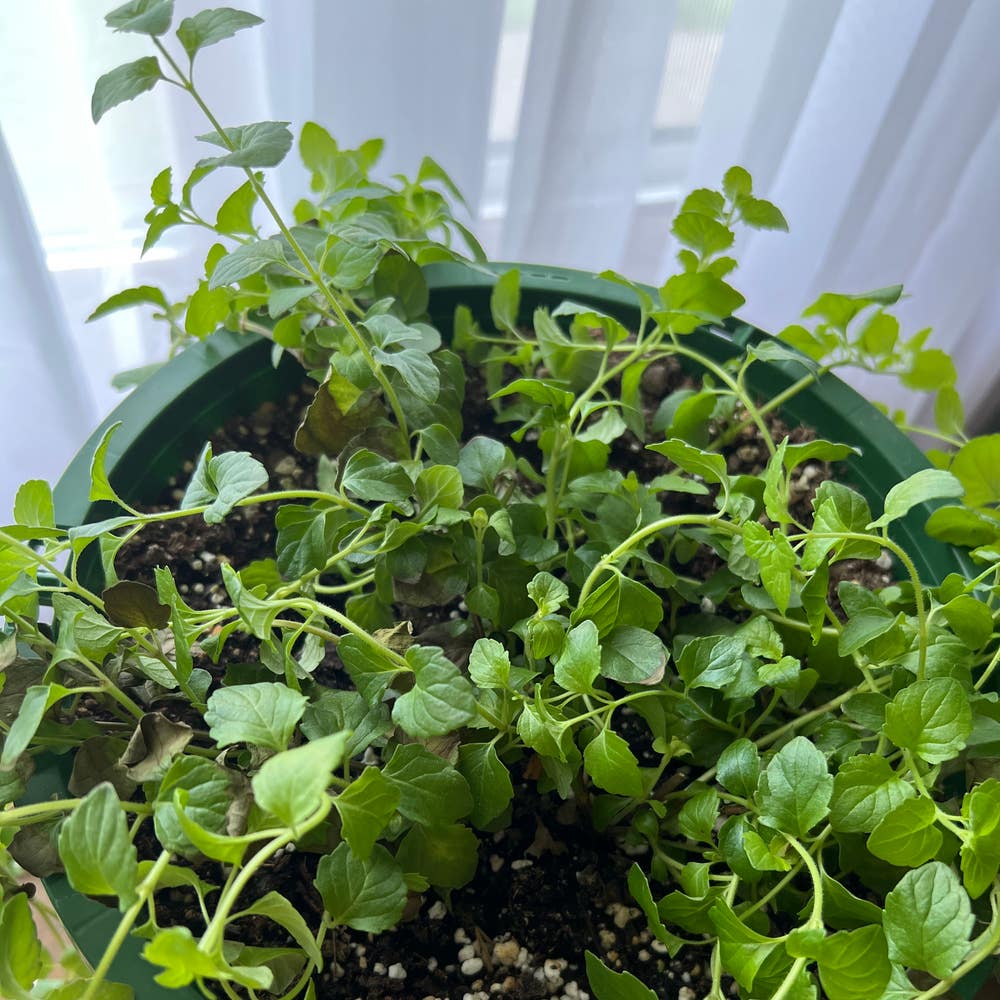
Optimal Hardiness Zones for Indian Mint: 9a-11b 🌿
Coleus amboinicus
By the Greg Editorial Team
Nov 06, 2024•4 min read
This article was created with the help of AI so we can cover more plants for you. May contain errors. See one? Report it here.
Cultivate vibrant Indian Mint 🌱 by mastering its temperature tolerance and ideal growing conditions for a flavorful harvest!
- 🌱 Indian Mint thrives in zones 9a-11b, ideal for warmer climates.
- ❄️ Frost sensitivity means knowing frost dates is crucial for successful growth.
- 🌞 Optimal growth requires 60°F-80°F temperatures and well-drained, rich soil.
Indian Mint Temperature Tolerance
❄️ Cold Tolerance
Indian Mint is quite resilient, tolerating temperatures as low as 20°F (-6°C). However, it is sensitive to frost, which can stunt its growth and diminish its health.
Understanding the first and last frost dates in your area is crucial for successful cultivation. This knowledge helps you plan planting and harvesting times effectively.
☀️ Heat Tolerance
On the flip side, Indian Mint thrives in heat, withstanding temperatures up to 100°F (38°C). Yet, excessive heat can negatively impact its growth and alter its flavor profile, making it less aromatic.
🌡️ Specific Temperature Ranges for Optimal Growth
For optimal growth, Indian Mint prefers a temperature range of 60°F to 80°F (15°C to 27°C). Fluctuations outside this range can disrupt its growth patterns, leading to stunted development or poor flavor.
Understanding these temperature tolerances is essential for cultivating healthy Indian Mint. With the right conditions, you can enjoy a thriving mint garden that enhances your culinary creations.
Ideal Growing Regions
🌱 Suitable US States
Indian Mint thrives in several states known for their favorable climates.
- California: With its Mediterranean climate, California offers warm, dry summers and mild, wet winters, perfect for Indian Mint's growth.
- Florida: The subtropical climate provides ample warmth and humidity, creating an ideal environment for this herb.
- Texas: Diverse climates across the state, particularly in the southern regions, support Indian Mint's growth with plenty of sunshine.
- Arizona: Known for its hot summers and mild winters, Arizona's climate allows Indian Mint to flourish, especially in well-watered areas.
- Louisiana: The warm, humid conditions of Louisiana create a lush environment that is conducive to healthy Indian Mint plants.
🌤️ Factors Contributing to Ideal Conditions
To cultivate Indian Mint successfully, certain environmental factors are crucial.
- Soil Requirements: Indian Mint prefers well-drained, rich, and moist soil. This ensures that the roots can access nutrients while preventing waterlogging.
- Sunlight Exposure: Full sun to partial shade is optimal for growth. While Indian Mint enjoys sunlight, too much direct heat can stress the plant, affecting its flavor and health.
Understanding these conditions can significantly enhance your chances of growing vibrant Indian Mint. By choosing the right location and preparing the soil adequately, you can create a thriving herb garden.
Next, let's explore how microclimates can further influence the growth of Indian Mint, allowing for cultivation even outside its typical hardiness zones.
Microclimates and Their Impact
Definition and Influence 🌍
Microclimates are localized climate conditions that can significantly differ from the surrounding areas. These unique environments can create opportunities for cultivating Indian Mint even in regions that fall outside its typical hardiness zones.
Understanding microclimates is crucial for gardeners. They can provide the right conditions for Indian Mint to thrive, allowing for successful growth in unexpected places.
Examples of Beneficial Microclimates 🌆
Urban gardens often serve as excellent microclimates. The heat retained by buildings and pavement can create a warmer environment, which is beneficial for Indian Mint.
Coastal areas also offer moderated temperatures due to the influence of the ocean. This can help maintain a more stable climate, making it easier for Indian Mint to flourish.
In summary, recognizing and utilizing microclimates can expand your options for growing Indian Mint. By leveraging these localized conditions, you can cultivate this aromatic herb in diverse environments, enhancing your gardening experience.
Next, we will explore suitable and unsuitable states for growing Indian Mint, providing a detailed analysis of climate compatibility.
State-Level Analysis
Suitable States for Indian Mint 🌱
When it comes to growing Indian Mint, certain states shine as ideal environments. Here’s a quick look at the top contenders:
- California: With its warm Mediterranean climate, California offers the perfect conditions for Indian Mint to thrive.
- Florida: The subtropical climate ensures plenty of warmth and moisture, making it a mint lover's paradise.
- Texas: Diverse climates across the state provide ample opportunities for successful cultivation.
- Arizona: The warm, dry conditions are favorable, especially in the cooler months.
- Louisiana: The humid subtropical climate supports lush growth and vibrant flavors.
These states boast the right combination of warmth, moisture, and sunlight, essential for Indian Mint's growth.
Unsuitable States for Indian Mint 🚫
On the flip side, some states present challenges that make growing Indian Mint nearly impossible. Here’s a rundown of those states:
- North Dakota
- Minnesota
- Maine
- Montana
- Wisconsin
These states experience average winter temperatures that dip below 20°F (-6°C). Prolonged cold periods and frost can severely impact the viability of Indian Mint, making it difficult for the plant to survive.
Understanding the Impact of Climate ☀️
The key takeaway is that Indian Mint thrives in warmer climates. In unsuitable states, the harsh winters can lead to frost damage, stunting growth or even killing the plant. Recognizing these temperature thresholds is crucial for anyone looking to cultivate this aromatic herb successfully.
As we explore further, understanding the factors contributing to ideal growing conditions will help you maximize your Indian Mint harvest.
⚠️ Safety First
This content is for general information and may contain errors, omissions, or outdated details. It is not medical, veterinary advice, or an endorsement of therapeutic claims.
Always consult a qualified healthcare professional before using any plant as food, medicine, or supplement.
Never eat any plant (or feed one to pets) without confirming its identity with at least two trusted sources.
If you suspect poisoning, call Poison Control (800) 222-1222, the Pet Poison Helpline (800) 213-6680, or your local emergency service immediately.
Spotted an error? Please report it here.
Grow vibrant Indian Mint 🌿 with Greg's tailored care reminders and climate insights to ensure it thrives in your garden!