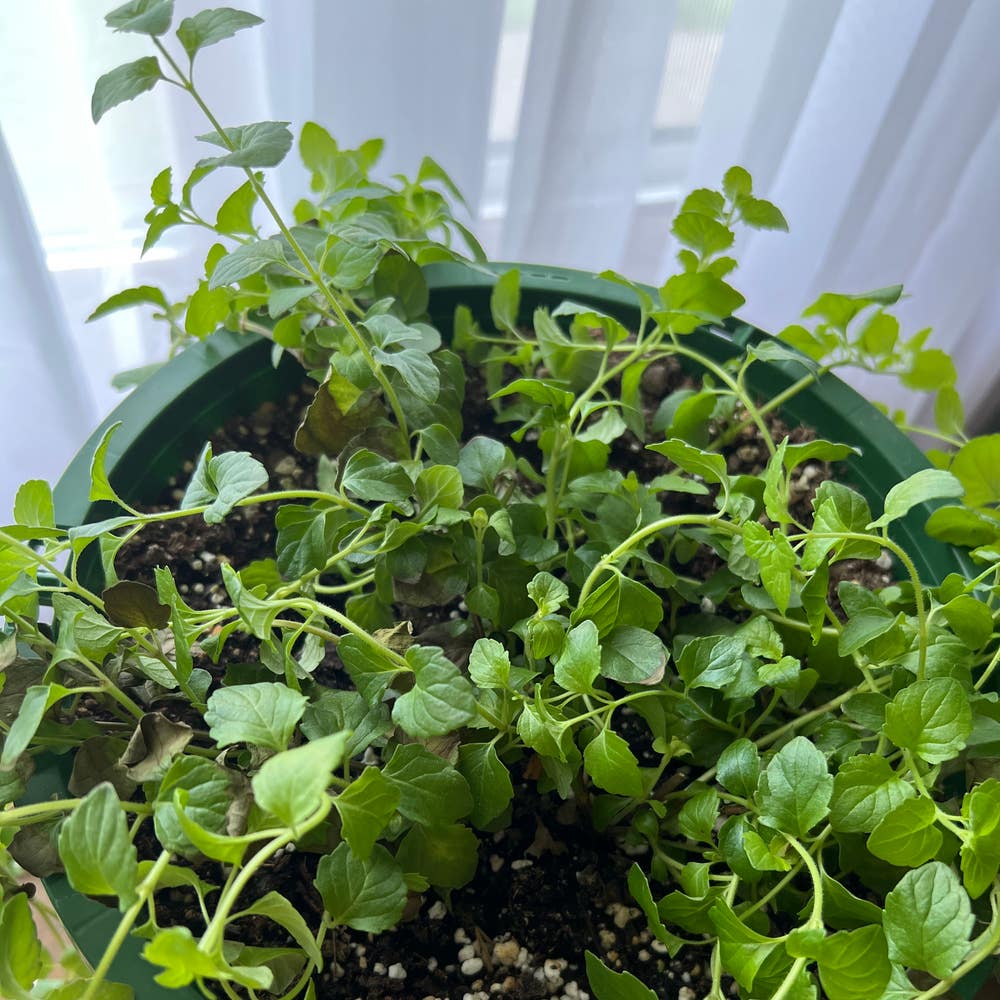
4 Tips for Healing Black Spots on Your Indian Mint 🩹
Coleus amboinicus
By the Greg Editorial Team
Nov 06, 2024•5 min read
This article was created with the help of AI so we can cover more plants for you. May contain errors. See one? Report it here.
Transform your Indian Mint 🌱 into a vibrant powerhouse by preventing pesky black spots with these essential care tips! 🌿
- 🌞 Indian Mint needs 4-6 hours of indirect sunlight to prevent leaf scorch.
- 💧 Maintain 40-60% humidity and avoid overwatering to prevent black spots.
- 🐛 Regularly check for pests like aphids to protect your mint's health.
Diagnosing the Problem
Assessing Environmental Factors 🌤️
To keep your Indian Mint thriving, start by evaluating its environmental conditions. Ensure it receives 4-6 hours of indirect sunlight daily, as too much direct sun can scorch the leaves.
Humidity plays a crucial role in plant health. Aim for 40-60% humidity; excessive moisture can lead to fungal issues, while too little can stress the plant.
Temperature is another key factor. Indian Mint flourishes best between 18°C to 24°C (65°F to 75°F). Extreme temperatures can hinder growth and lead to black spots.
Checking for Pests 🐜
Pests can be a hidden enemy in your garden. Aphids are often found in clusters on new growth, leaving behind a sticky residue and curling leaves as telltale signs.
Spider mites are another concern. Look for fine webbing and stippled leaves, especially in dry conditions. Regular checks can help catch these pests early.
Evaluating Soil Conditions 🌱
Soil quality is vital for your mint's health. Ensure your soil is well-draining; a mix of potting soil and perlite can enhance drainage and prevent root rot.
Moisture levels are equally important. Regularly check the soil; it should be kept consistently moist but not soggy. Overwatering can lead to black spots, so find that sweet spot for your mint.
By diagnosing these issues early, you can take proactive steps to ensure your Indian Mint stays healthy and vibrant. Next, let’s explore effective treatment options to tackle those pesky black spots.
Treatment Options
Organic Fungicides for Treating Black Spots 🌱
To tackle those pesky black spots on your Indian Mint, consider using organic fungicides. Neem oil is a fantastic option; simply apply it as a foliar spray to combat various fungal infections effectively.
Another great remedy is a baking soda solution. Mix 1 tablespoon of baking soda with 1 gallon of water and spray it on the affected leaves weekly. This simple solution can help keep your mint healthy and vibrant.
Homemade Remedies 🏡
If you prefer DIY solutions, homemade remedies can be just as effective. Start with a garlic spray: blend garlic with water, strain it, and then spray it on the leaves. This not only deters pests but also helps fight off fungal growth.
Another easy option is a milk spray. Mix milk with water in a 1:2 ratio and apply it to the leaves. This can be particularly helpful in combating powdery mildew, giving your mint a fighting chance.
Proper Pruning Techniques to Remove Affected Leaves ✂️
Pruning is crucial for maintaining the health of your Indian Mint. First, identify affected leaves by looking for those with black spots or significant discoloration.
Next, use clean, sharp scissors to make your cuts. Always sterilize your tools beforehand to prevent further infection.
Finally, be sure to dispose of cuttings properly. Do not compost them; instead, discard them to avoid spreading any diseases to your healthy plants.
By following these treatment options, you can effectively manage black spots and keep your Indian Mint thriving. Now, let's explore some preventive measures to ensure your plant stays healthy in the long run.
Preventive Measures
Best Practices for Watering Indian Mint 🌊
Watering your Indian Mint correctly is crucial for its health. Aim to water when the top inch of soil feels dry, ensuring you avoid overhead watering to keep humidity levels down on the leaves.
To maintain optimal moisture levels, consider using a moisture meter. This handy tool helps you monitor soil moisture without the risk of overwatering, which can lead to root rot.
Importance of Air Circulation Around Plants 🌬️
Good air circulation is vital for preventing fungal diseases. Make sure to space your plants adequately to promote airflow, which helps keep leaves dry and healthy.
Regular pruning is another effective way to enhance air circulation. Trim back any dense growth to allow fresh air to circulate freely around your Indian Mint.
Choosing Disease-Resistant Varieties 🌱
Selecting the right variety can make a significant difference in your mint's resilience. Research types like 'Spearmint,' which are known for their better disease resistance.
Additionally, consider local varieties that are well-adapted to your specific climate conditions. These plants are often more robust and can thrive with less intervention.
By following these preventive measures, you can create a healthier environment for your Indian Mint, reducing the likelihood of black spots and other issues. Next, let’s explore ongoing care and maintenance to keep your mint thriving.
Ongoing Care and Maintenance
Regular Inspection of Leaves for Early Signs of Black Spots 🕵️♀️
Regular inspections are crucial for maintaining the health of your Indian Mint. Aim for weekly checks to spot any discoloration, black spots, or pests early on, as this proactive approach is key to effective management.
Keep a journal to record your observations. Tracking changes over time helps you identify patterns and potential issues before they escalate.
Nutrient Management to Promote Healthy Growth 🌱
A consistent fertilization schedule can significantly enhance your plant's vitality. Use a balanced fertilizer every 4-6 weeks during the growing season to provide essential nutrients.
Consider organic options like compost or well-rotted manure. These enrich the soil naturally, promoting healthy growth without the risks associated with chemical inputs.
Seasonal Care Adjustments to Prevent Black Spots 🍂
Adjusting your care routine with the changing seasons is vital. In cooler months, reduce watering frequency to prevent excess moisture, which can lead to black spots.
Mulching is another effective strategy. Applying a layer of mulch helps regulate soil temperature and moisture levels, creating a more stable environment for your Indian Mint.
By implementing these ongoing care and maintenance practices, you can foster a healthier plant that is less susceptible to black spots. Next, let’s explore preventive measures to further safeguard your Indian Mint's health.
⚠️ Safety First
This content is for general information and may contain errors, omissions, or outdated details. It is not medical, veterinary advice, or an endorsement of therapeutic claims.
Always consult a qualified healthcare professional before using any plant as food, medicine, or supplement.
Never eat any plant (or feed one to pets) without confirming its identity with at least two trusted sources.
If you suspect poisoning, call Poison Control (800) 222-1222, the Pet Poison Helpline (800) 213-6680, or your local emergency service immediately.
Spotted an error? Please report it here.
Heal those black spots on your Indian Mint and enjoy lush, vibrant growth 🌱 with Greg's tailored care reminders and pest alerts to keep your plant thriving!