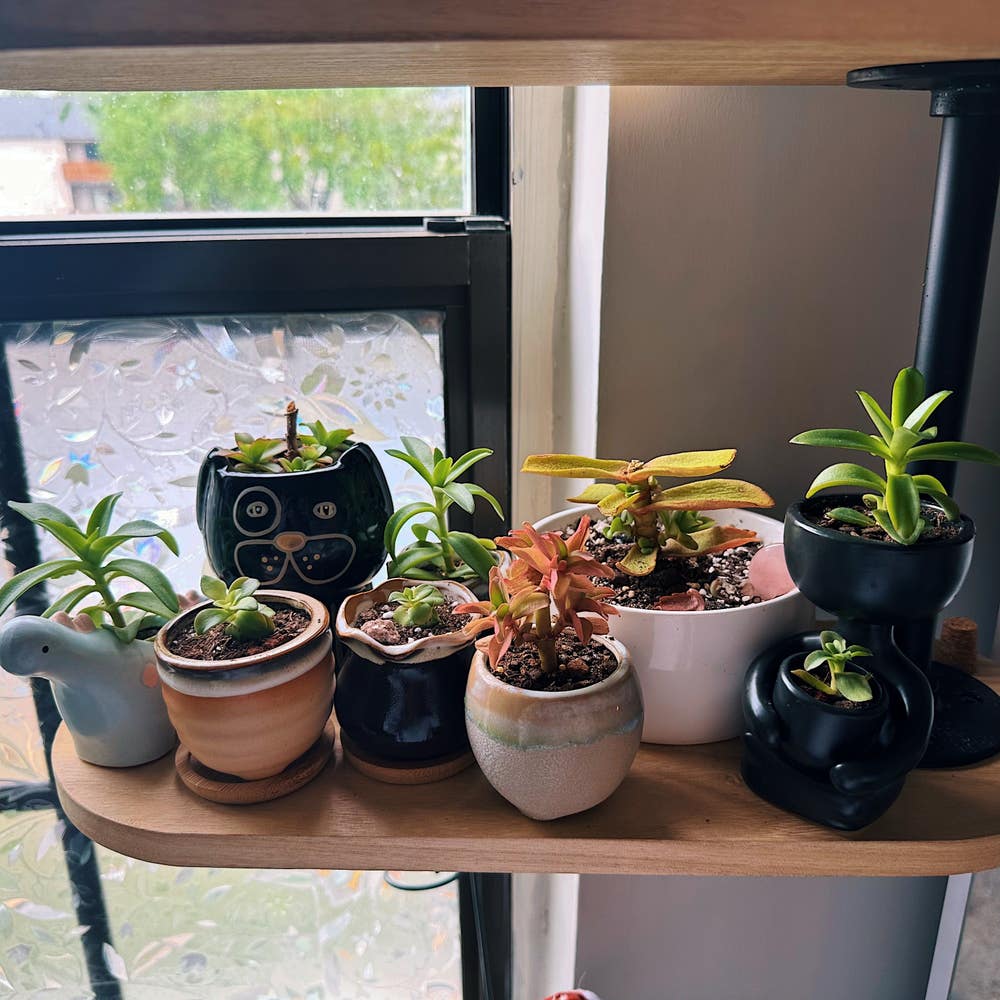
How Should Campfire Crassula Be Cut Back?
Crassula capitella 'Campfire'
By the Greg Editorial Team
Jun 18, 2024•3 min read
This article was created with the help of AI so we can cover more plants for you. May contain errors. See one? Report it here.
- Spring pruning promotes Campfire Crassula's growth and healing.
- Use sharp, sanitized tools for clean cuts and disease prevention.
- Prune for health and shape, then provide bright, indirect light post-trim.
Best Time to Give Campfire Crassula a Trim
🌱 Seasonal Timing
Spring is the optimal time for pruning your Campfire Crassula. This season aligns with the plant's active growth phase, allowing it to heal swiftly and put forth new growth after trimming. Avoid late-season pruning; it can hinder next year's growth and vitality.
🚩 Plant Health Indicators
Your Campfire Crassula will signal when it's time for a trim. Look for overgrown sections that may be leggy or damaged. These are clear indicators that your plant could benefit from a cutback to maintain its shape and encourage a healthier structure.

Choosing Your Pruning Gear
🛠️ Essential Tools
When it comes to pruning your Campfire Crassula, think of yourself as a surgeon. You'll need sharp, precise instruments. Pruning shears or scissors are your go-to tools; they're the difference between a clean cut and a jagged mess. Quality matters, so invest in tools that won't give up on you after a few snips.
🧼 Sanitization Practices
Before you make the first cut, sterilize your tools. Think of it as handwashing for gardeners – essential and non-negotiable. Use isopropyl alcohol or a bleach solution to disinfect before you start, and repeat after each plant to prevent the botanical equivalent of cross-contamination. Remember, a healthy plant is a happy plant, and it all starts with clean cuts.

Pruning Techniques for a Happy Plant
🌱 Cutting Back Overgrowth
Pruning your Campfire Crassula begins with assessing overgrowth. Identify sections that are leggy or sprawling beyond the desired contour.
- Select the right node: Look for a healthy node where new growth can emerge.
- Make the cut: Use sterilized shears to snip just above the node at a 45-degree angle.
- Remove dead material: Clear away any yellowing or damaged leaves to prevent disease.
- Be bold: Don't hesitate to cut back vigorous growth to invigorate the plant.
🌿 Shaping for Show
Creating an eye-catching shape is more than random snipping; it's about vision and strategy.
- Envision the shape: Imagine the desired form of your Campfire Crassula.
- Prune with purpose: Trim branches that detract from your vision, promoting a balanced look.
- Step back frequently: Regularly assess the plant from different angles for a uniform shape.
- Gradual adjustments: Make small cuts to avoid over-pruning and plant shock.
Remember, pruning is not just about cutting—it's about caring. It's a way to guide your Campfire Crassula to its most vibrant and flourishing self.

After-Pruning Care
🌱 Immediate Aftercare
Right after you've given your Campfire Crassula a trim, immediate care is non-negotiable. First things first, resist the urge to water. These succulents need a moment to heal before being introduced to moisture. Place your plant in a spot with bright, indirect light; direct sunlight is like throwing a fresh tattoo into a tanning bed—not a good idea. Keep the temperature steady; think of it as maintaining a good mood for recovery.
Long-Term Maintenance
Long-term, your Campfire Crassula is not high-maintenance, but it does appreciate attention. Monitoring is key; keep an eye out for signs of distress like discoloration or wilting. If you spot trouble, adjust the light or watering schedule—like tweaking a recipe until it's just right. Deadheading spent blooms will encourage new growth, kind of like how cutting off dead ends gives you healthier hair. And when it comes to feeding, a light snack of a balanced fertilizer is the way to go—think of it as a post-workout protein shake for your plant. Lastly, don't rush to repot; these plants like their space as much as the next introvert.
⚠️ Safety First
This content is for general information and may contain errors, omissions, or outdated details. It is not medical, veterinary advice, or an endorsement of therapeutic claims.
Always consult a qualified healthcare professional before using any plant as food, medicine, or supplement.
Never eat any plant (or feed one to pets) without confirming its identity with at least two trusted sources.
If you suspect poisoning, call Poison Control (800) 222-1222, the Pet Poison Helpline (800) 213-6680, or your local emergency service immediately.
Spotted an error? Please report it here.
Trim your Campfire Crassula with confidence this spring 🌿, using Greg's tailored reminders to ensure optimal growth and a balanced shape.