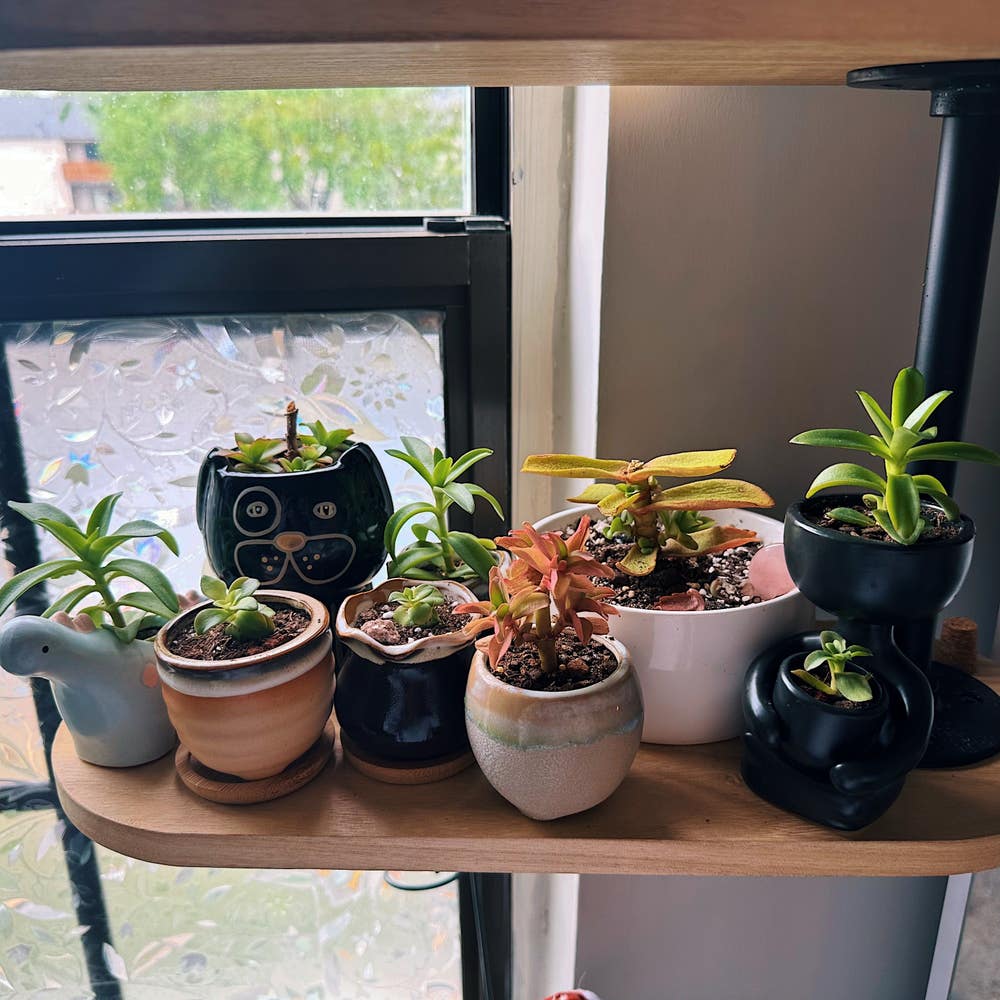
Propagating My Campfire Crassula: Step-by-Step Guide
Crassula capitella 'Campfire'
By the Greg Editorial Team
Jun 18, 2024•5 min read
This article was created with the help of AI so we can cover more plants for you. May contain errors. See one? Report it here.
- Choose healthy stems or leaves for successful propagation, and use rooting hormone.
- Propagate in spring/early summer during active growth for best results.
- Monitor and adjust moisture, light, and temperature to prevent propagation pitfalls.
Choosing Your Propagation Adventure
🌱 Stem Cuttings: The Fast Track
🎯 Selecting Your Champion
Healthy and disease-free stems make the best candidates. Aim for a length of 4-6 inches, with several leaf nodes—your future root hotspots. Snip just below a node, at a 45-degree angle, to maximize rooting potential.
🌱 The Rooting Rundown
Sterilize your tools first—it's surgery for plants, after all. Strip the lower leaves to prevent rot, keeping a few at the top for photosynthesis. A dip in rooting hormone can be like a motivational speech for your cuttings, spurring root growth. Plant the stem in well-draining soil, ensuring at least one node is underground, and then it's a waiting game.
🍃 Leaf Cuttings: The Patient Path
🎯 Leaf-Picking Like a Pro
Choose a vibrant leaf—this isn't the time for charity towards the underdog leaves. A healthy, robust leaf is more likely to succeed in the long haul of propagation.
🍃 The Waiting Game
Let the leaf callus over for a week; it's like giving it armor against rot. Once callused, place it on moist soil and wait for the magic to happen. Roots may take their sweet time—2 to 8 weeks, so keep your excitement in check. Watch for new growth as a sign of triumph, and remember, with leaf cuttings, patience is not just a virtue, it's a requirement.

The Perfect Time to Propagate
🌱 Seasonal Smarts
Spring is your propagation ally. It's the season when the Campfire Crassula, like many plants, wakes up and stretches its roots, ready for action. Early summer is also in the goldilocks zone, offering long days that are just right for encouraging new growth.
Plant Life Cues
Active growth is your cue to cut. Look for new shoots and leaves; these are signs that your Crassula is in the mood for multiplying. Avoid the dormant winter phase when the plant's energy is conserved, not spent on making new buddies.
🌿 Sync with Nature
Align your propagation efforts with the plant's natural cycles. Doing so taps into the plant's innate growth spurt, increasing your chances of success. It's like catching the wave right as it swells – timing is everything.
🌎 Environmental Harmony
Remember, even the best-laid propagation plans need the right environmental conditions. A mild climate can make fall a wildcard option, but generally, stick to the seasons when your plant is most vivacious.

Nurturing Your New Plant Babies
💡 The Right Environment
Creating the ideal environment for your Campfire Crassula cuttings is like setting up a backstage area for a rockstar — it needs to be just right. Temperature is crucial; aim for a cozy 68-77º F range to encourage rooting. Too cold, and your cuttings will stall; too hot, and they'll wilt faster than a crowd's enthusiasm when the headliner bails.
Lighting should be bright but indirect, like the soft glow of a campfire rather than the harsh midday sun. Direct sunlight is a no-go; it's the equivalent of a spotlight that's too intense for these delicate starters.
🚰 Watering Wisely
When it comes to watering, think of your cuttings as teenagers — give them attention, but not too much. Start by watering thoroughly; this kickstarts the rooting process. Keep the soil moist, but not waterlogged; you're going for the consistency of a perfectly wrung-out sponge.
Monitor your cuttings like a hawk. If the top inch of soil feels like a dry handshake, it's time for a gentle watering session. Remember, overwatering is the kiss of death for succulents, so resist the urge to drown your plant babies in love.
Adjust your watering based on the cuttings' feedback. A plant soaking up the sun may need more frequent drinks, while one chilling in a cooler, shaded spot might prefer a more laid-back hydration schedule. Keep an eye out for new growth — it's the first high-five signaling success.

Overcoming Propagation Pitfalls
🌱 Common Culprits
Root rot is a classic villain in the propagation saga. If your stem cutting turns into a mushy horror show, you've likely been too generous with the water. Chop above the rot and embark on a second attempt, wielding a more conservative watering can.
Leaf drop might be tattling on you for overwatering or under-lighting. Dial back on the hydration and seek out that sweet spot of bright, indirect light. It's like finding the perfect coffee shop corner—cozy yet well-lit.
🛠️ Adjusting on the Fly
When your cuttings are as lifeless as a bad party, it's time to turn detective. Check the temperature; if it's too chilly, your cuttings will sulk. Give them a warm nook to perk up in.
If your cuttings are rotting at the roots, it's a sign of "too much water" or "I forgot about drainage." Make sure your potting mix is as well-draining as your kitchen sieve.
Cleanliness is your propagation superpower. Dirty tools are like inviting germs to a buffet—on your plant. Sterilize your tools like a surgeon prepping for the OR.
Node precision is key. Cut too far from a node, and you're just giving yourself extra work. Nodes are like the plant's version of a treasure map—stick close to them for rooting success.
When your cuttings are more wilted than a forgotten salad, reassess moisture and light. Adjust one variable at a time, and observe. It's like tuning an instrument—fine adjustments can make a big difference.
Remember, propagation is part art, part science, and a full-time vigilance gig. Keep these tips handy, and you'll be on your way to a thriving Campfire Crassula family.
⚠️ Safety First
This content is for general information and may contain errors, omissions, or outdated details. It is not medical, veterinary advice, or an endorsement of therapeutic claims.
Always consult a qualified healthcare professional before using any plant as food, medicine, or supplement.
Never eat any plant (or feed one to pets) without confirming its identity with at least two trusted sources.
If you suspect poisoning, call Poison Control (800) 222-1222, the Pet Poison Helpline (800) 213-6680, or your local emergency service immediately.
Spotted an error? Please report it here.
Propagate your Campfire Crassula with confidence as Greg guides you to perfect conditions 🌱 with custom care reminders and environment tips from this step-by-step guide!