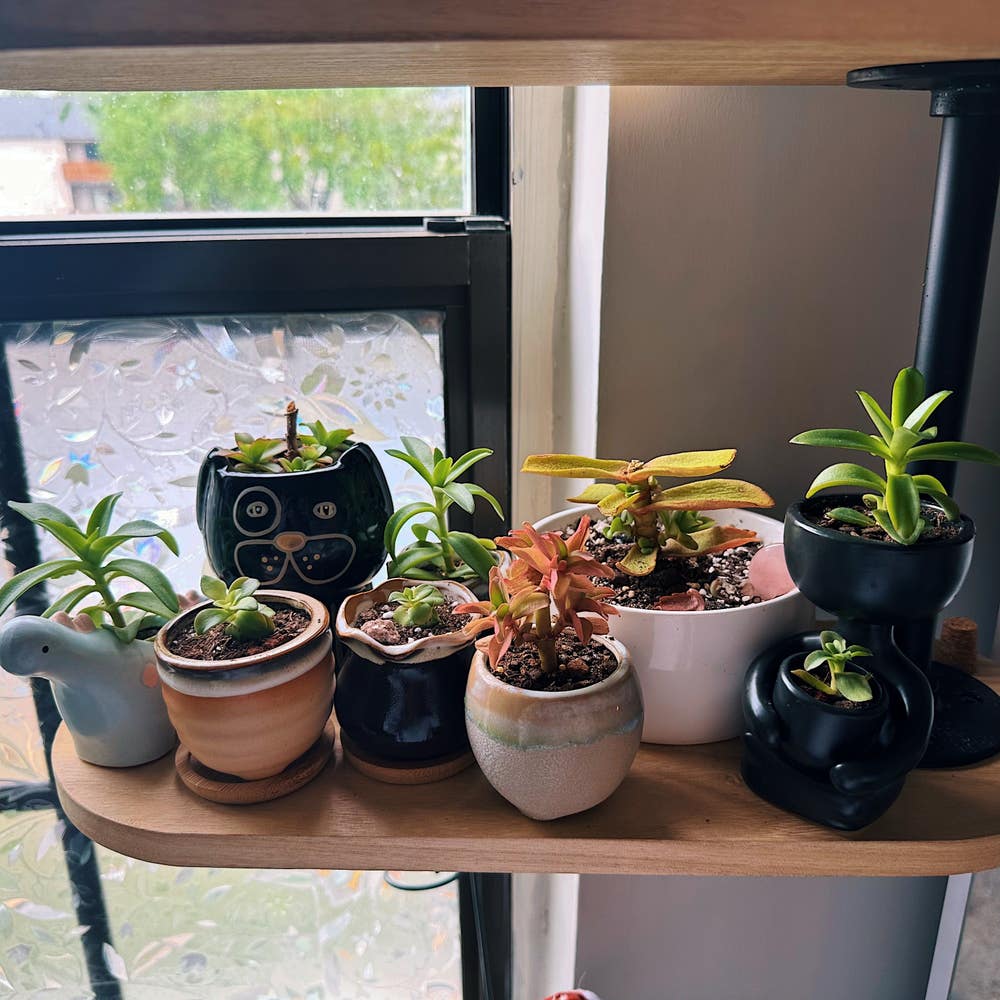
When and Where to Cut Back Your Pagoda Village Succulent 🌵
Crassula capitella 'Campfire'
By the Greg Editorial Team
Oct 04, 2024•5 min read
This article was created with the help of AI so we can cover more plants for you. May contain errors. See one? Report it here.
- 🌱 Best pruning times for Pagoda Village succulents are spring and post-flowering.
- ✂️ Use clean, sharp tools and cut at a 45-degree angle for optimal healing.
- 🌞 Monitor light and water after pruning to support recovery and growth.
When to Prune
🌱 Best Seasons for Pruning
Spring is the prime time for pruning your Pagoda Village succulent. As the plant awakens from dormancy and enters its active growth phase, it’s ready for a refresh.
Early summer is also a good opportunity for light pruning. This helps maintain the plant's shape without stressing it too much.
⏰ Timing Based on Growth Cycles
Monitoring your plant's growth cycles is crucial for effective pruning. Prune after flowering to encourage new growth and keep your succulent thriving.
Avoid pruning during dormancy, which typically occurs in late fall to winter. This can prevent unnecessary stress and ensure your plant remains healthy.
With the right timing, your succulent will flourish, setting the stage for the next steps in care and maintenance.
How to Prune
Step-by-Step Pruning Instructions 🌱
Pruning your Pagoda Village succulent is essential for its health and aesthetics. Start by assessing the plant for areas that need attention.
Use clean, sharp pruning shears to make precise cuts. This ensures a smooth process and minimizes stress on the plant.
Next, remove any dead or yellowing leaves at the base. This not only improves appearance but also prevents disease.
Trim back overly long stems to encourage bushier growth. This helps the plant maintain a compact and attractive shape.
Finally, shape the plant by cutting back to your desired height. A well-shaped succulent is a happy succulent!
Tools Needed for Effective Pruning 🔧
Having the right tools makes all the difference in your pruning experience. You'll need sharp pruning shears or scissors for clean cuts.
Don’t forget rubbing alcohol for sterilizing your tools. This step is crucial to prevent the spread of disease.
Gloves are also a good idea to protect your hands from sap and sharp edges. Safety first!
Techniques for Cutting Back ✂️
When cutting, aim for a 45-degree angle. This technique promotes healing and helps the plant recover faster.
Be careful not to cut too close to the stem. Leaving a small amount of stem helps prevent damage and encourages new growth.
With these steps and tools, you’re well-equipped to give your Pagoda Village succulent the care it deserves.
Next, let’s explore the importance of deadheading to keep your plant thriving!
Deadheading
Importance and Method 🌼
Deadheading is the process of removing spent flowers from your Pagoda Village succulent. This simple act encourages new blooms and keeps your plant looking its best.
Why is deadheading important? It prevents the plant from wasting energy on seed production, allowing it to focus on healthier growth.
Steps to Deadhead Your Succulent
Identify Spent Flowers: Look for flowers that have wilted or faded. These are the ones you want to remove.
Use Sterilized Shears: Grab your clean, sharp shears and cut back to the base of the flower stem. This helps the plant redirect its energy effectively.
Dispose of Cuttings: Don’t forget to dispose of the cuttings properly. This prevents any potential disease from spreading to your healthy plants.
By incorporating deadheading into your care routine, you’ll promote a vibrant and flourishing Pagoda Village succulent. This small effort can lead to a more robust and visually appealing plant, enhancing your indoor or outdoor space.
Next, let’s explore some common mistakes to avoid while pruning to ensure your succulent thrives.
Common Mistakes in Pruning
Over-Pruning and Its Effects 🌱
Over-pruning can be a serious mistake for your Pagoda Village succulent. It often leads to stress, stunted growth, and makes the plant more susceptible to pests.
Signs that you've over-pruned include excessive leaf drop and slow recovery. If you notice these issues, it might be time to reassess your pruning strategy.
Not Using the Right Tools 🔧
Using the right tools is crucial for effective pruning. Sharp, clean tools prevent damage and reduce the risk of disease.
On the other hand, using dull tools can create ragged cuts that may lead to rot. Always ensure your pruning shears are in top condition before you start.
Final Thoughts 💭
Avoiding these common mistakes will help your succulent thrive. With the right techniques and tools, you can maintain a healthy and beautiful plant.
Next, let’s explore how to care for your succulent after pruning to ensure it recovers well.
Post-Pruning Care
🌱 How to Care After Pruning
After pruning your Pagoda Village succulent, it's crucial to give it some time to heal. Wait 1-2 weeks before watering to allow the cuts to recover properly.
Ensure your plant receives adequate bright light during this period. This light will help stimulate new growth and support the healing process.
🚨 Signs of Stress and Recovery Tips
Keep an eye out for signs of stress, such as wilting, discoloration, or drooping leaves. These indicators can signal that your plant is struggling after the pruning.
To help your succulent bounce back, adjust your watering schedule based on environmental conditions. If direct sunlight feels too harsh, consider providing indirect light to ease the recovery process.
With the right care, your succulent will thrive and flourish, ready for its next growth phase. Now, let’s explore common mistakes in pruning to ensure you avoid any pitfalls in the future.
⚠️ Safety First
This content is for general information and may contain errors, omissions, or outdated details. It is not medical, veterinary advice, or an endorsement of therapeutic claims.
Always consult a qualified healthcare professional before using any plant as food, medicine, or supplement.
Never eat any plant (or feed one to pets) without confirming its identity with at least two trusted sources.
If you suspect poisoning, call Poison Control (800) 222-1222, the Pet Poison Helpline (800) 213-6680, or your local emergency service immediately.
Spotted an error? Please report it here.
Transform your Pagoda Village succulent into a bushy beauty 🌿 by using Greg's tailored reminders to prune at the right time and keep it thriving!